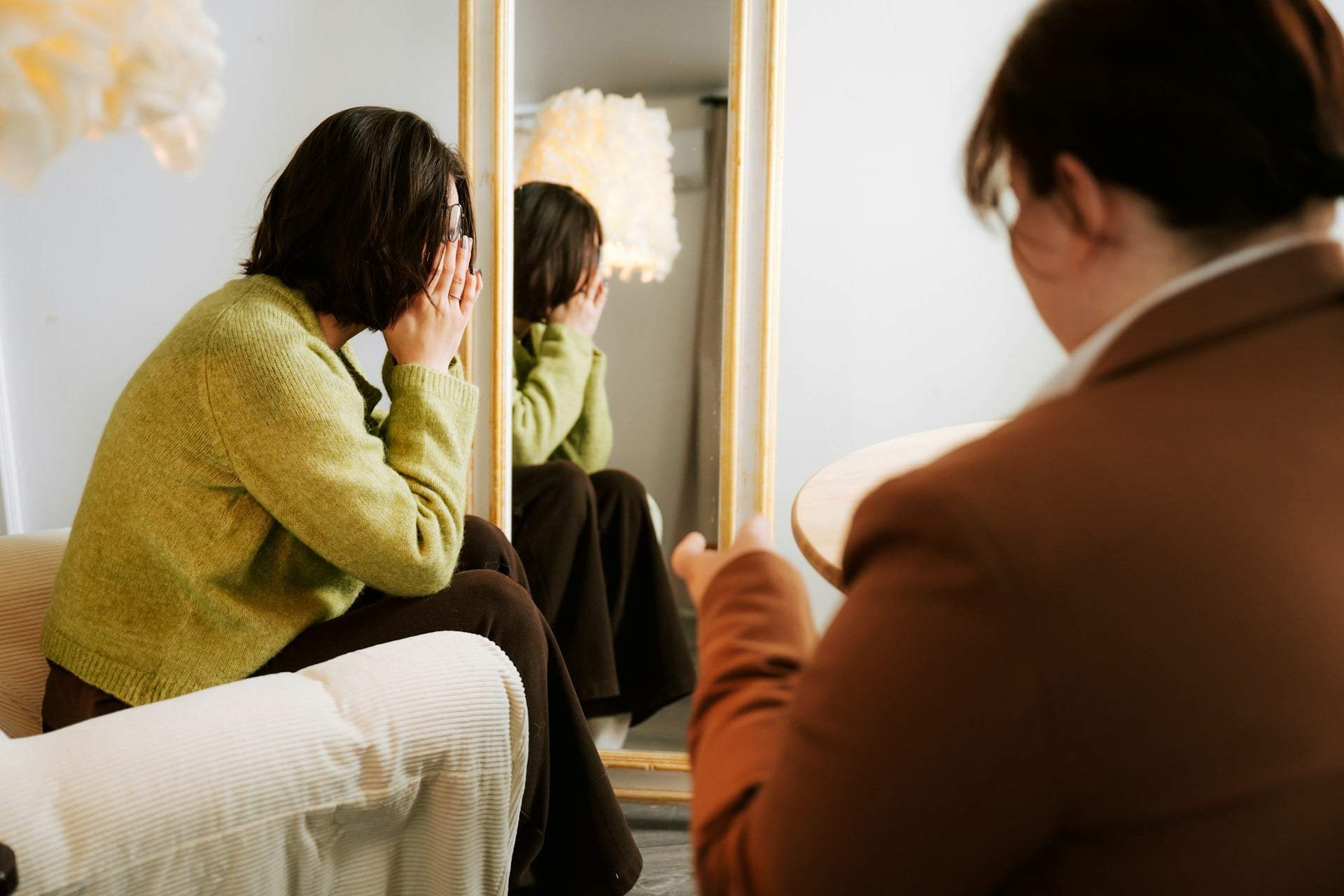
"I don't understand why I'm still this exhausted when I'm doing everything right..." That's what a client in her twenties told me as she handed me her phone. I scrolled through her carefully curated self-care routine, then handed the device back with a sigh.
Yes, I told her, it's lovely that every morning starts with "ten minutes of conscious, positive affirmations in front of the mirror." But here's the uncomfortable truth: all the positive affirmations in the world won't change the fact that her agency is running her into the ground with 60-hour weeks and no time to recover.
Self-care — physical, emotional, and mental — genuinely matters. But it was never meant to perform miracles. And somewhere along the way, we started asking it to.
Why wellness culture makes me angry
I'll be honest: in its current form, wellness culture is a con.
It drills one message into you — buy the overpriced face mask, the supplements, download the meditation app, walk in the park every day, book a pampering weekend at a spa hotel, and then you'll finally feel okay.
But that endless spending doesn't heal you. It often makes things worse, because it quietly convinces you that your burnout isn't caused by the system you're stuck in — it's a personal failing. As if you simply didn't try hard enough.
If the pressure to constantly "invest in yourself" is draining your bank account too, it's worth asking whether a spending detox might do more for you than another purchase.
The gratitude journal that couldn't fix everything
One of my clients was a single mother of two. She worked from home — a lot. One of her sons was autistic. Her own mother occasionally watched the kids, but mostly criticized her. Her ex-husband barely paid the child support he was legally required to.
She was the kind of person who jumped on every new wellness trend, waiting for the promised wave of "zen" to wash over her.
I had to explain to her, gently, that green smoothies and diligently filling out a "gratitude journal" were never going to be the answer — not when she was permanently exhausted and her body was running on its very last reserves.
What she needed to hear most was this: the situation was unsustainable, and it was not her fault that she had no time for anything.
A bandage over a much deeper wound
If you're unhappy in your relationship, on bad terms with your family, or feeling isolated with no close friends, downloading a time-management app or practicing mindfulness every day won't solve it.
Being present is a good thing. But for our deeper emotional wounds, mindfulness is just a bandage — not the cure.
"Just let go of the stress"
The self-care narrative tells you that you're anxious because you don't manage stress well. That you're on edge because you haven't practiced your relaxation exercises enough. That you're getting sick because you failed to optimize your wellness routine.
But look closer at what's actually happening.
You're stressed because you're working more and more, yet somehow struggling to make ends meet. You're anxious because a single unexpected expense could tip you into financial uncertainty. And you're getting sick because you live in a polluted city, pass germs back and forth with your colleagues, and your stress has worn down your immune system.
See the difference? The problem isn't your attitude. It's your circumstances.
Cause and effect
One client, instead of working through her childhood trauma, tried to heal herself with a nightly ritual of "a hot bath and relaxing music."
It didn't work — which is exactly why she eventually came to me. And I had to reassure her that there is no amount of meditation or yoga in the world that could erase the memory of an alcoholic father who beat her.
That trauma didn't linger because she neglected her "soul rituals" or didn't work on herself enough.
Some things simply cannot be fixed by self-care. And that doesn't mean you're doing it wrong. It means you deserve real support — not another product, app, or affirmation.
Frequently asked questions
Is self-care actually a bad thing?
No. Physical, emotional, and mental self-care genuinely matters. The problem is expecting it to fix problems it was never designed to solve, like burnout caused by overwork or unresolved trauma.
Why does wellness culture make burnout worse?
Because it can convince you that your exhaustion is a personal failing rather than the result of your circumstances. That guilt adds pressure on top of an already unsustainable situation.
Can mindfulness help with deeper emotional wounds?
Mindfulness and being present are good things, but for deeper issues they act more like a bandage than a cure. Serious wounds usually need real support, not just daily rituals.
If self-care isn't working for me, am I doing it wrong?
Not necessarily. Some things — like trauma, financial stress, or difficult relationships — simply can't be resolved through self-care alone. That isn't a sign of failure.