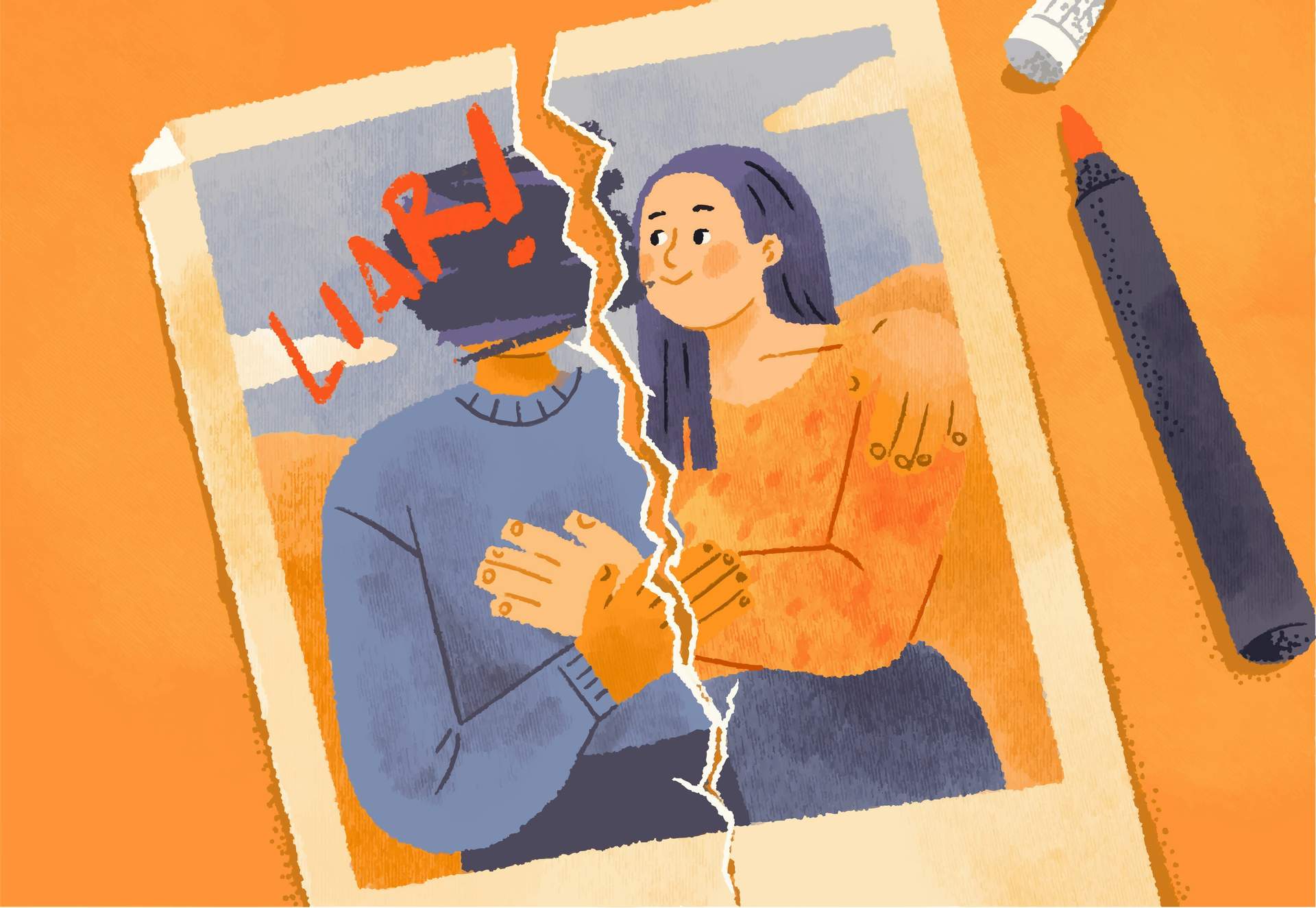
A few weeks after my friend's messy breakup, we sat down together over a glass of wine. As these evenings usually go, the stories came pouring out: the fights, the broken promises, the messages that never got a reply, the sentences that still stung months later.
All of that is understandable — that's what friends are for, to listen when someone needs to vent. But after a while, I couldn't help noticing something. She wasn't talking about her ex as a person anymore. She was describing him like a complete psychiatry textbook.
"He was totally a narcissist." "I think he's borderline too." "He definitely has some kind of ADHD." "Honestly, probably a sociopath."
And listen — the guy really didn't treat her well. If we ever cross paths and I happen to be holding a vodka soda, I'll take it as a sign from the heavens that it belongs on his head. But even so, I don't actually believe one man is living with four or five different mental disorders at once.
Lately I keep getting the same feeling: something has gone seriously sideways in the way we use the language of psychology.
Narcissist, borderline, sociopath
A few years ago, you rarely heard these words in everyday conversation. Now it's almost impossible to scroll through social media without bumping into "narcissistic exes," "toxic people," "borderline mothers," or "bosses who gaslight you."
Making psychology more accessible is, in itself, a genuinely good thing. It has helped countless people recognize abusive patterns, understand their own behavior, and ask for help. The trouble starts when diagnoses slowly turn into insults — or into convenient labels.
These days we often don't say someone was selfish — we say they're a narcissist. Not that someone acted unpredictably, but that they're borderline. Not that someone was distracted or scattered, but that they have ADHD.
And the difference between those things is enormous.
Personality disorders and mental health conditions are not character flaws. They are not synonyms for "hurt me," "behaved badly," or "let me down." These are real diagnoses, made by professionals after long assessments — and behind them there is often deep suffering, real hardship, and years of struggle.
When we slap the narcissist label on every unpleasant ex, we also trivialize the people who genuinely live with these conditions.
There's another danger too: it flattens the whole story
It's far more comfortable to say "my ex was a narcissist" than "I fell for someone who behaved selfishly in certain situations, and I didn't notice it for a long time." The first sentence explains everything in a single word. The second is more nuanced — and sometimes it raises uncomfortable questions about ourselves, too.
Because most people are not a diagnosis. They are kind and selfish, lovable and infuriating, mature and childish, all at once. Sometimes they hurt others. Sometimes they're the ones getting hurt.
There's a second problem, as well: labeling dehumanizes people fast. Once we call someone "a narc," we usually stop thinking about them at all. We're no longer talking about a person — we're talking about a category. A warning sign.
But you don't need to invent a diagnosis to say the truth out loud: someone treated you badly.
You have every right to be angry. You have every right to feel let down. You're allowed to say that someone was a bad partner, that they weren't honest, that they didn't give you something you needed. But you can't just hand out diagnoses whenever it happens to feel more convenient.
Over the past few years we've learned a great deal about mental health, and that shift is genuinely something to celebrate. Maybe now it's time to learn something else too: how to use that knowledge with respect — and how to look honestly at ourselves, not only at the people who disappointed us.
Does calling an ex a narcissist really cause harm?
Yes — casually using clinical terms as insults trivializes the people who actually live with these conditions and often involve deep suffering. It also reduces a whole person to a single category.
What's wrong with saying someone was "toxic" or "borderline"?
These are real diagnoses made by professionals after long assessments, not synonyms for someone who hurt or disappointed you. Using them loosely blurs the difference between bad behavior and a genuine mental health condition.
Can I still say my ex treated me badly?
Absolutely. You have every right to be angry, feel let down, or say someone was a bad partner. You simply don't need to invent a diagnosis to make that truth valid.
Isn't talking openly about mental health a good thing?
It is — it has helped many people recognize harmful patterns and ask for help. The goal isn't to stop the conversation, but to use that knowledge with more respect and self-awareness.