Opinion piece by Barbara Lee
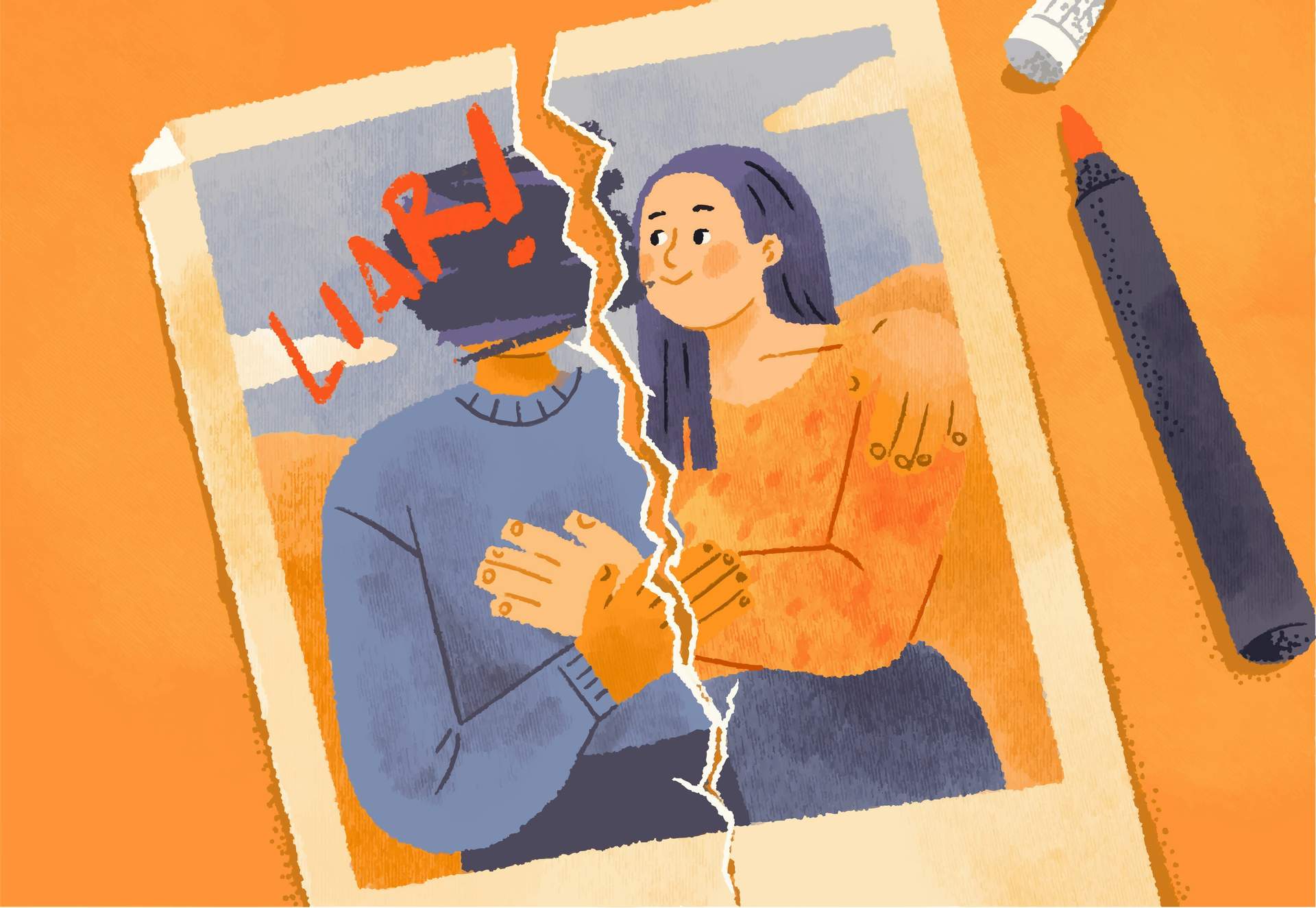
From the outside, everything looks fine. You're moving forward, hitting milestones, getting good feedback. Some people might even envy where you are. But inside, there's a quiet, persistent doubt: what if it's all just luck? What if someone eventually figures out you don't actually know what you're doing?
For a long time, I thought this was just me. That everyone else was more confident, more capable — more legitimately where they were in life. Then, through more and more conversations, I realized this feeling is far from unique. Impostor syndrome is remarkably common, especially among people who push themselves to grow and refuse to coast on what they already know.
I've been there — more times than I'd like to admit
There have been moments when I turned down an opportunity because I didn't think I was the right person for it. Surely someone else knew more, could speak more confidently on the topic, would actually deserve to be there — while I'd just be pretending. And then I watched others, no more experienced or qualified than me, jump at the same chance without a second thought.
The difference? They weren't afraid. I didn't see in them the internal paralysis that so often grips me. They weren't worried about someone calling out their confidence. I was.
This kind of anxiety is insidious. It quietly narrows your world. You make decisions that look rational from the outside but are driven entirely by fear. And the cruelest part is that you can always find a perfectly reasonable-sounding explanation for why stepping back was "the smart move."
The first real turning point for me was learning to notice what was actually happening in those moments. I realized the question wasn't whether I was truly qualified — it was whether I believed I was. That didn't fix everything overnight, but it gave me distance. The thoughts stopped pulling me under quite so fast.
Something else that helped was taking positive feedback seriously. I used to dismiss every compliment as luck while letting every criticism hit twice as hard. Now I make a conscious effort not to automatically brush off recognition when it comes. It's not always easy, but over time the internal picture has become a little more balanced.
Talking about it openly made a difference too. When you admit you feel uncertain, you almost always find out the other person does too. It doesn't solve the problem, but it normalizes the feeling — and something that feels normal feels a lot less catastrophic.
And then there's the most practical piece of all: sometimes you just have to show up anyway. Not when you feel completely ready — because that moment rarely comes — but when you feel just barely enough. Those experiences, one by one, are what actually build confidence over time.
Failure has to be part of the deal
But for me, the most important shift wasn't just convincing myself that I do know what I'm doing and I've earned my place. It was learning to make peace with the possibility of failure.
Because maybe one day something really will be too much for me. Maybe others will see a mistake, a bad call, a swing-and-a-miss. That's a real possibility — and pretending otherwise doesn't make it go away.
What I eventually understood is that you can't eliminate that risk. If you only ever take on things you feel completely certain about, you're not really moving — you're standing still. Growth requires occasionally reaching beyond what feels safe. That's not recklessness. That's just how it works.
The goal isn't to silence the doubt forever. It's to stop letting it be the one making your decisions.