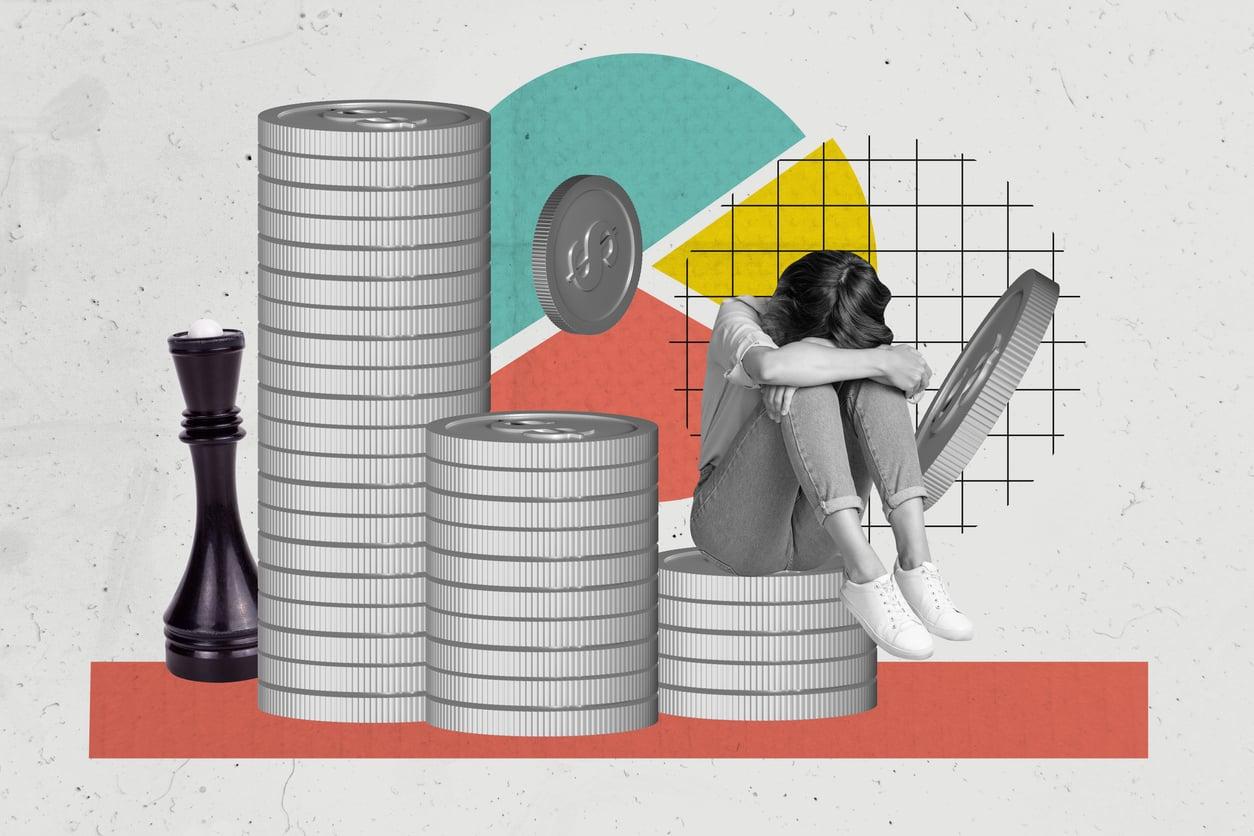
Money worries have quietly become one of the most widespread sources of stress in modern life. And it's not just people struggling to make ends meet — financial anxiety is affecting middle-class households, young professionals, and even high earners who, on paper, should feel secure.
What's driving this wave of financial stress?
The economic backdrop of recent years hasn't helped. The pandemic, persistent inflation, and ongoing global uncertainty have made it genuinely harder for many people to feel stable. But the roots of financial anxiety go deeper than bank balances and rising prices.
Psychologists point to a powerful mix of external pressures and internal expectations — the stories we tell ourselves about what we should earn, own, and achieve by a certain age. When reality doesn't match those expectations, the gap can feel devastating.
Financial anxiety often has less to do with actual money than with the fear of falling short — of yourself, and of what others might think.
The real cost: what financial stress does to your body and mind
Chronic money stress isn't just emotionally draining. Research consistently links it to high blood pressure, cardiovascular problems, sleep disorders, and a significantly higher risk of depression and anxiety disorders. When the brain is locked in a constant low-level threat response, it depletes the mental resilience we need to cope with everyday life.
The cruel irony is that financial stress often makes it harder to think clearly about money — leading to worse decisions, more guilt, and a deeper spiral of worry.
How to start breaking the cycle
The first and most important step is recognizing that financial anxiety is not a personal failing. It's a widespread, well-documented phenomenon — and naming it takes away some of its power. Talking to a trusted friend, a therapist, or a financial counselor can make the burden feel far more manageable.
Build a budget that gives you control, not guilt
One of the most effective antidotes to financial anxiety is a sense of agency. Creating a clear, realistic budget — knowing what comes in, what goes out, and where you want to go — shifts the feeling from helplessness to control. You don't need a perfect financial plan. You need one that's honest and workable.
Invest in financial knowledge
Many people find that learning more about personal finance genuinely reduces their anxiety. Understanding how interest works, how to build an emergency fund, or how to approach debt repayment can transform money from a source of dread into something navigable. There are countless free online resources and courses that make this accessible to everyone.
The hidden pressure of social media and digital spending
The digital world has added a new layer to financial stress that previous generations didn't face. Social comparison on platforms like Instagram and TikTok creates a constant, curated stream of other people's holidays, homes, and lifestyles — making it easy to feel like you're always falling behind, even when you're doing fine.
Online shopping and digital banking have also made spending feel abstract and frictionless — which sounds convenient, but comes with real risks.
When convenience becomes a trap
Credit card debt and buy-now-pay-later balances can accumulate almost invisibly through digital purchases. The moment of reckoning — when you finally look at what you actually owe — can trigger a sharp spike in anxiety. Building regular, honest check-ins with your finances is one of the simplest ways to avoid that shock and stay grounded in reality.
Financial anxiety thrives in avoidance. The more you look, the less power it holds.