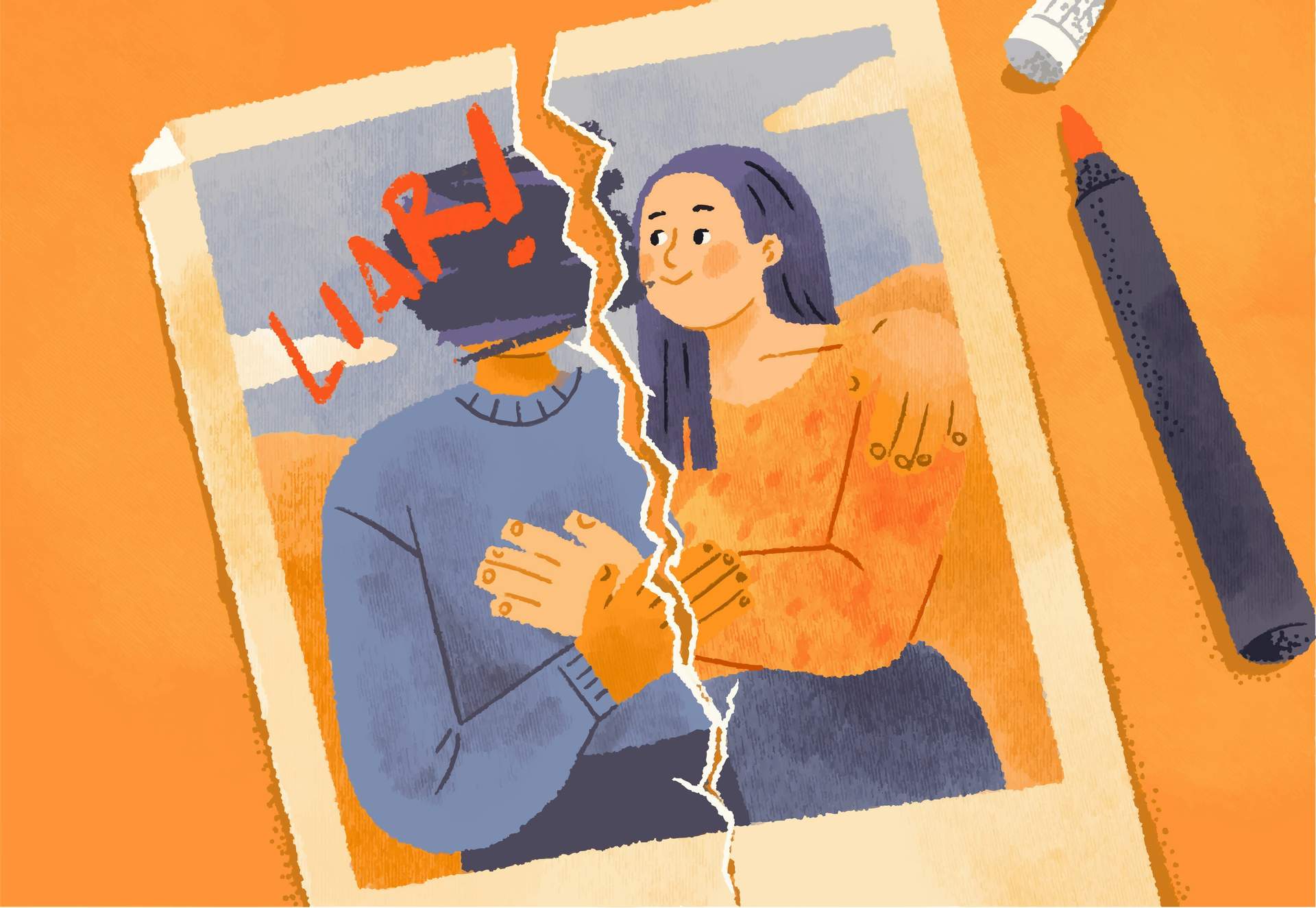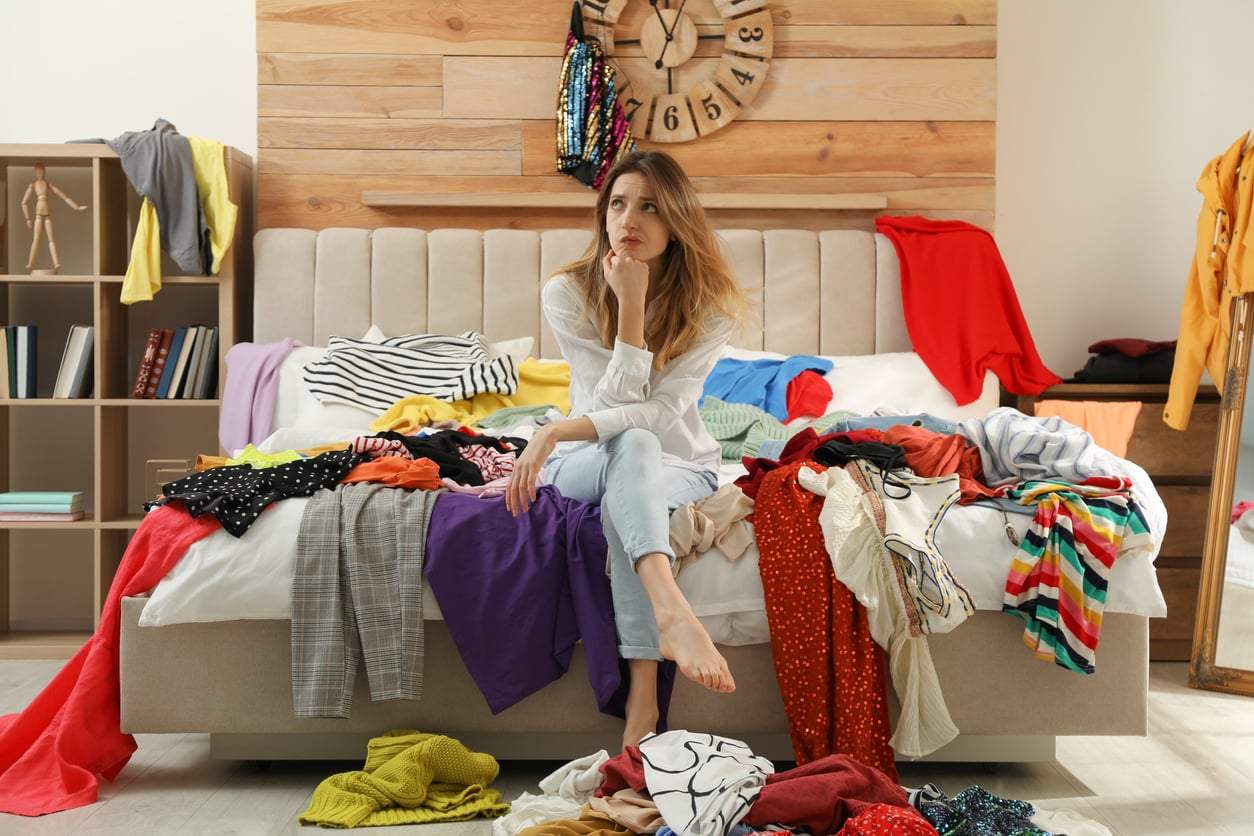
There's a moment it sneaks up on you. You're just scrolling — casually, mindlessly — and somewhere along the way, you start believing that what you're seeing is real. Flawless skin. Immaculate homes. "Spontaneous" photos that are clearly anything but. The line between reality and a carefully edited illusion gets thinner every day.
For a long time, I scrolled along like everyone else. I liked, I saved, I was occasionally inspired. But slowly, I noticed something had shifted. I wasn't just glancing at those images anymore — I was measuring myself against them. And that changed everything.
Beauty is becoming a template
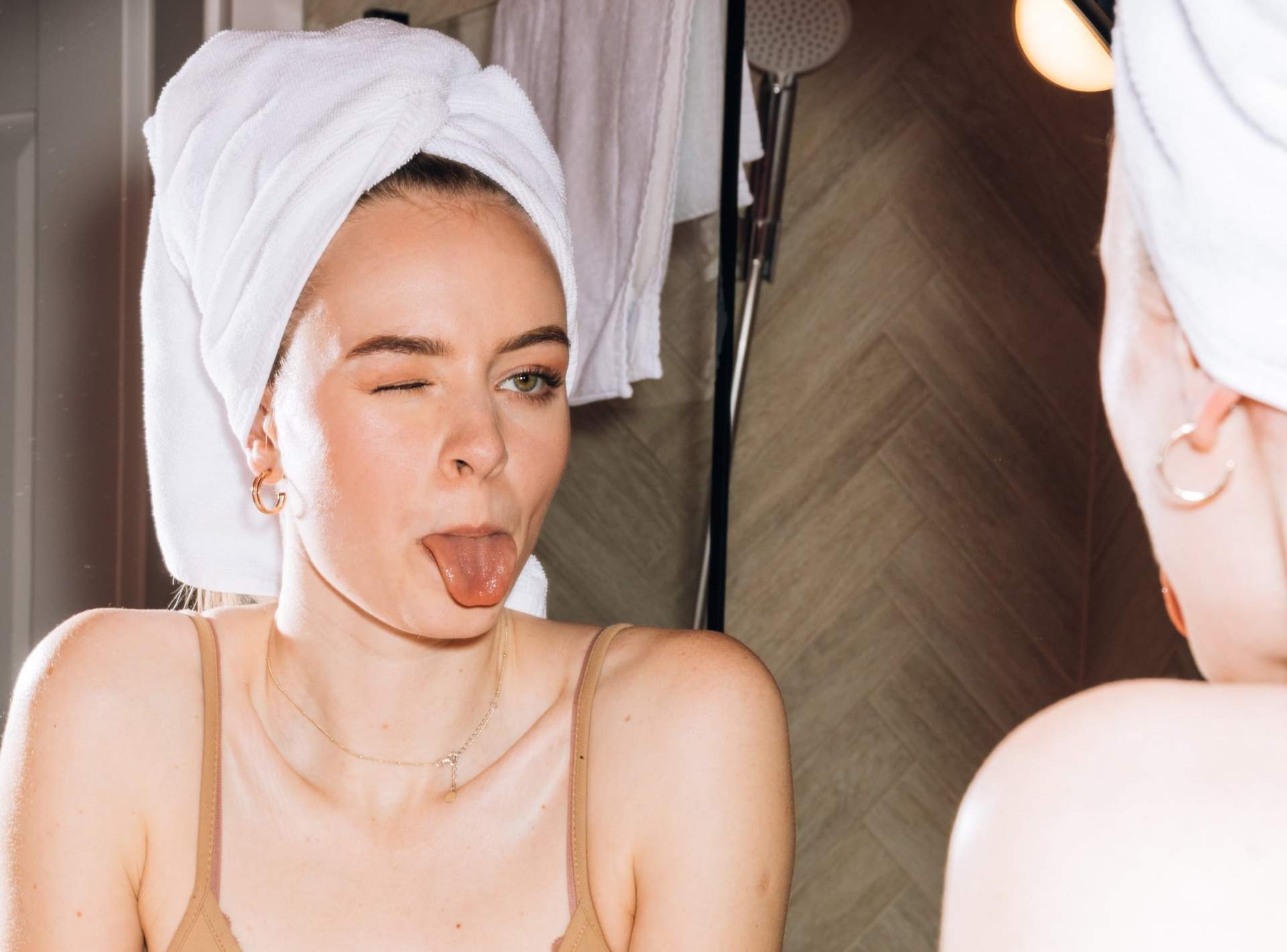
Beauty has always been subjective — that's what makes it so wonderfully diverse. But today, it increasingly feels like we're all being nudged toward the same narrow mold. Filters, retouching, smoothed features, algorithmically perfected proportions — and now, AI-generated faces and bodies that look completely real but have never actually existed.
The problem isn't that people want to look good in photos. The problem is when the gap between "real" and "created" disappears entirely. When we stop noticing that what we're seeing online might have absolutely nothing to do with what that person looks like in real life. Sometimes the two versions barely share a passing resemblance.
Instagram vs. reality — what's actually behind the perfect shot
It's no coincidence that "Instagram vs. reality" posts have become so popular. They're small but powerful reminders: the same body, the same moment, can look completely different depending on the angle, the lighting, or the pose.
Behind a flat stomach, a poreless complexion, or a seemingly effortless lifestyle shot is often the same person who rolled out of bed that morning with messy hair and spent ten minutes trying to find a decent angle.
And that's completely fine. The trouble starts when we forget it.
A distorted mirror
Social media can inspire, connect, and entertain — but it can also quietly warp your perception of yourself. It pushes many of us into comparisons that were never fair to begin with. And those comparisons are rarely kind.
When every image we see has been polished to perfection, it's easy to start feeling like we're simply not enough.
That feeling works in silence. It breeds self-doubt, anxiety, and a low-level dissatisfaction that's hard to pin down. Not because something is wrong with us — but because we're holding ourselves up to a standard that was never real in the first place.
When real life disappears from the frame
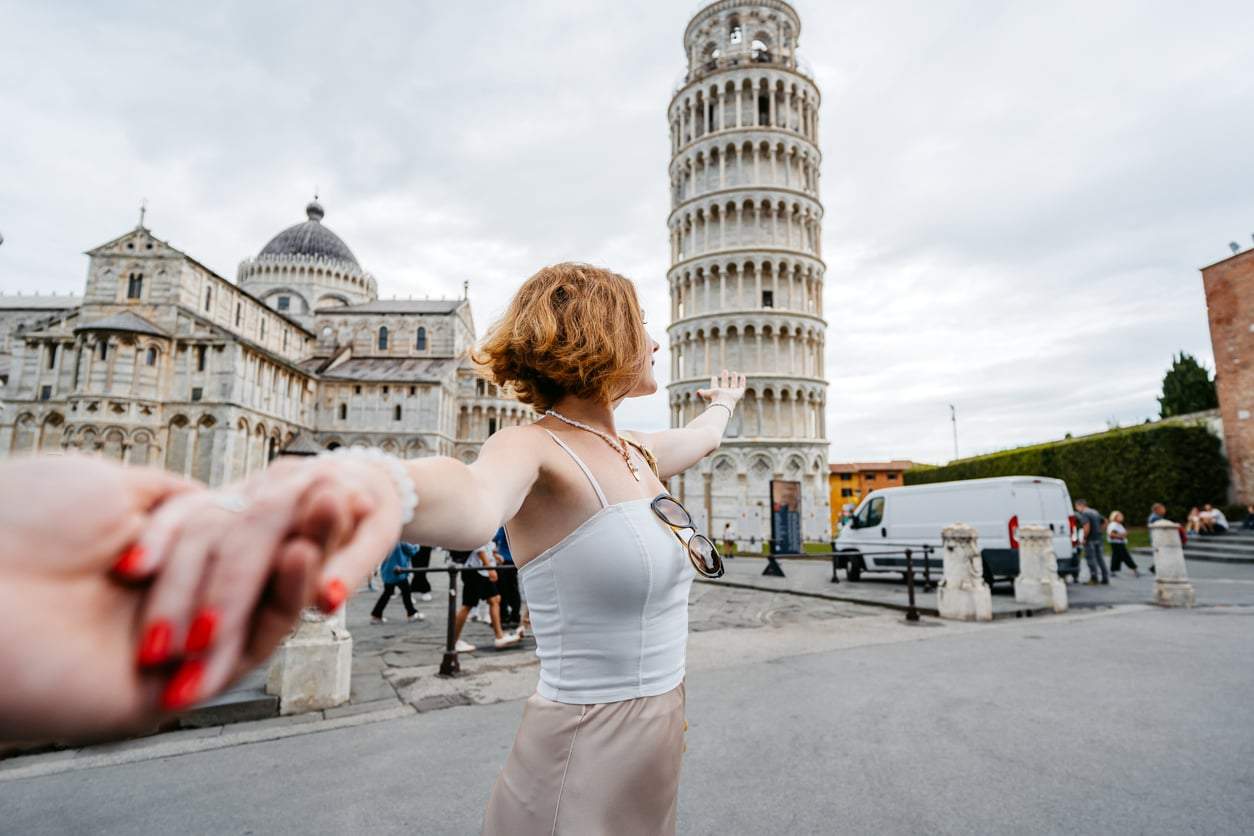
More and more content is drifting so far from reality that real life barely makes an appearance. Manicures that defy the natural shape of a hand. Hiking photos where the outfit looks more like a fashion editorial than anything you'd actually wear on a trail.
Inspiration itself isn't the issue. The issue is when the image stops reminding us that life is something you actually live — not something you stage.
Finding my way back to what's real
Maybe the shift starts with a simple daily reminder: beauty doesn't come in a single version.
A smile that isn't perfect but is genuine. Skin that isn't flawless but is alive. A moment that wasn't planned but was real. These are the things that give back far more, in the long run, than any filter ever could.
What happened when I took off the "perfection" glasses
Over the past few years, I've quietly unfollowed a lot of accounts. I made a conscious decision to say goodbye to content that chased perfection — and with it, I let go of an illusion. The idea that there's only one acceptable way to look, one version of beauty worth having.
It didn't transform me overnight. It was more like a gradual clearing — as if a noise I hadn't fully noticed was slowly fading out.
I truly believe we don't need to measure ourselves against a curated, edited world to have value in it.
We don't need to meet a digitally perfected standard to feel acceptable — not to others, and not to ourselves.
Reality isn't flawless. It isn't smoothed out, filtered, or carefully staged. But it breathes. It moves. It changes. And that's exactly what makes it worth being present for — because we don't belong to an idealized image. We belong to a real, living, imperfect world.