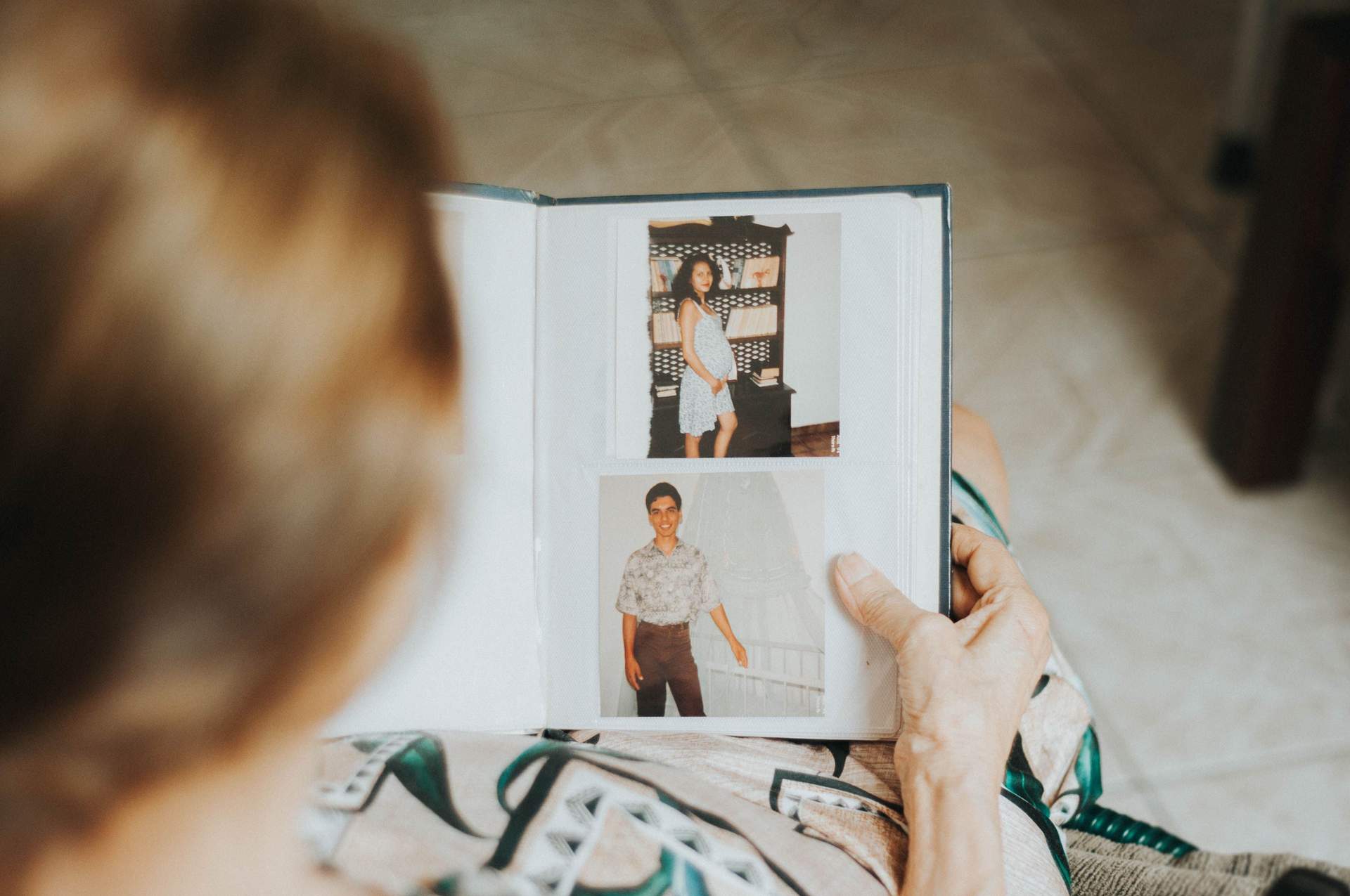
It's not about genes. At least, not only about genes. It's about the fact that long before you understood anything about your own body, someone was already showing you how a woman is supposed to relate to hers. In most cases, that person was your mother. And what she said, what she did, and how she stood in front of the mirror stayed with you — often so quietly that you didn't notice it for decades.
What you saw as a child
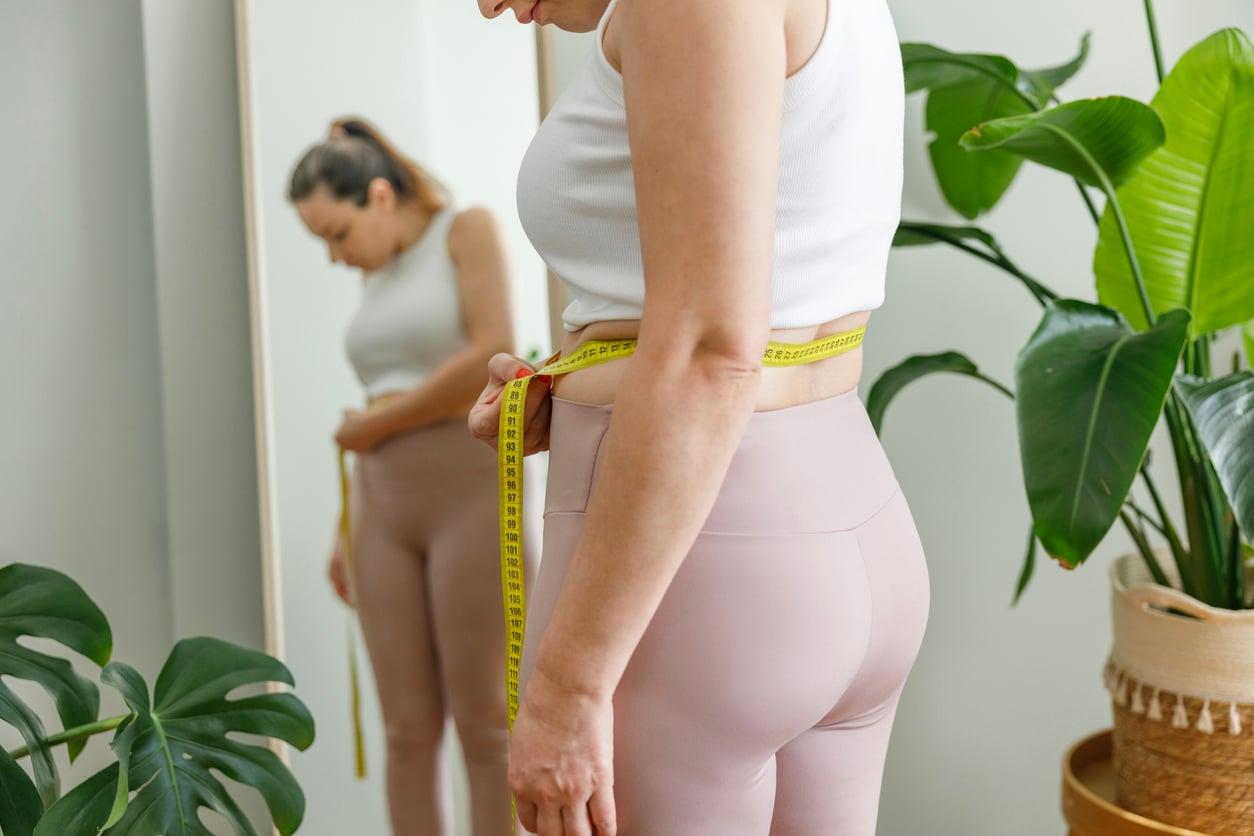
Do you remember how your mother stood in front of the mirror? How she talked about herself when she tried on a dress? What she said when she came back from vacation and saw herself in the photos?
For many women, these are tiny, seemingly meaningless memories — a half-sentence here, a sigh there. But a child sees everything, and stores everything.
If your mother said "I'm fat," you learned that this is how a body is judged. If she never touched a slice of cake because "it doesn't fit into her plans," you learned that food and the body are locked in some complicated equation. If she had to lose weight to earn a compliment, you learned that a body's worth is conditional — something you constantly have to prove.
She never said any of this outright. She didn't have to. Watching was enough.
The sentences that stick
Those sentences your mother once let slip? You may be carrying them too.
"You've got wide hips, just like me." "In our family, women are just built this way." "Be careful, you gain weight easily."
These words were rarely spoken out of cruelty. Usually they came from worry — or because she'd heard the exact same things from her own mother. But the effect is the same: they take hold, and they keep working.
The strange thing is that we often don't remember them clearly. We just somehow "know" that this is our body, this is our fate, this is our limit. As if it had always been that way — when in reality, someone once told us so.
If you catch yourself replaying those same phrases, it may help to notice the destructive things we quietly tell ourselves, often on repeat.
Your mother, and your relationship with your body
This isn't about blaming anyone. Our mothers inherited something too — from their own mothers, from the expectations of their era, from the magazines they grew up with.
The chain is longer than we think, and most women who passed on negative messages did it with the very best intentions. They simply never learned another way themselves.
But it's worth asking yourself a few honest questions. The way you think about your body, the way you look in the mirror, the way you decide over dinner and a glass of wine that "today I deserve it" — where do those thoughts actually come from?
Are they truly yours? Or did you inherit them from someone who inherited them too?
How to break the cycle
The first step is simply to notice. To pause in the middle of a thought and ask whose voice this really is. Not to change it instantly, but to recognize that it isn't inevitable — it's a pattern you picked up. And anything you picked up, you can also put down.
The second step is to not pass it on. If you have a daughter, a younger sister, a niece — anyone who watches and listens to you — pay attention to how you talk about your own body in front of them.
You don't have to love yourself perfectly to stop criticizing yourself out loud. It's one of the quietest, yet most important decisions you can make.
The chain doesn't break on its own. Someone has to start doing it differently — and that someone can be you.
Is body image really something we inherit?
Not through genes alone. Much of how we relate to our bodies comes from what we saw and heard growing up — especially from our mothers and the way they treated their own bodies.
Why do we repeat the same phrases our mothers used?
Because we absorbed them as children, often without realizing it. These sentences were usually spoken out of worry or habit, but they take hold and keep shaping how we see ourselves years later.
Does recognizing the pattern mean blaming my mother?
No. Our mothers inherited their beliefs too, usually passing them on with the best intentions. The point isn't blame — it's awareness, so you can choose differently.
How can I stop passing negative body messages to my children?
Start by noticing your own inner voice and where it comes from, then be mindful of how you talk about your body in front of the people who look up to you. You don't need to love yourself perfectly — just stop criticizing yourself out loud.