A few weeks ago, I visited a popular hiking spot with a genuinely breathtaking view — layers of green rolling into the distance, a wide-open sky, the kind of panorama that makes you stop and breathe. But what caught my attention wasn't the landscape. It was the people in front of it.
When the view becomes just a backdrop
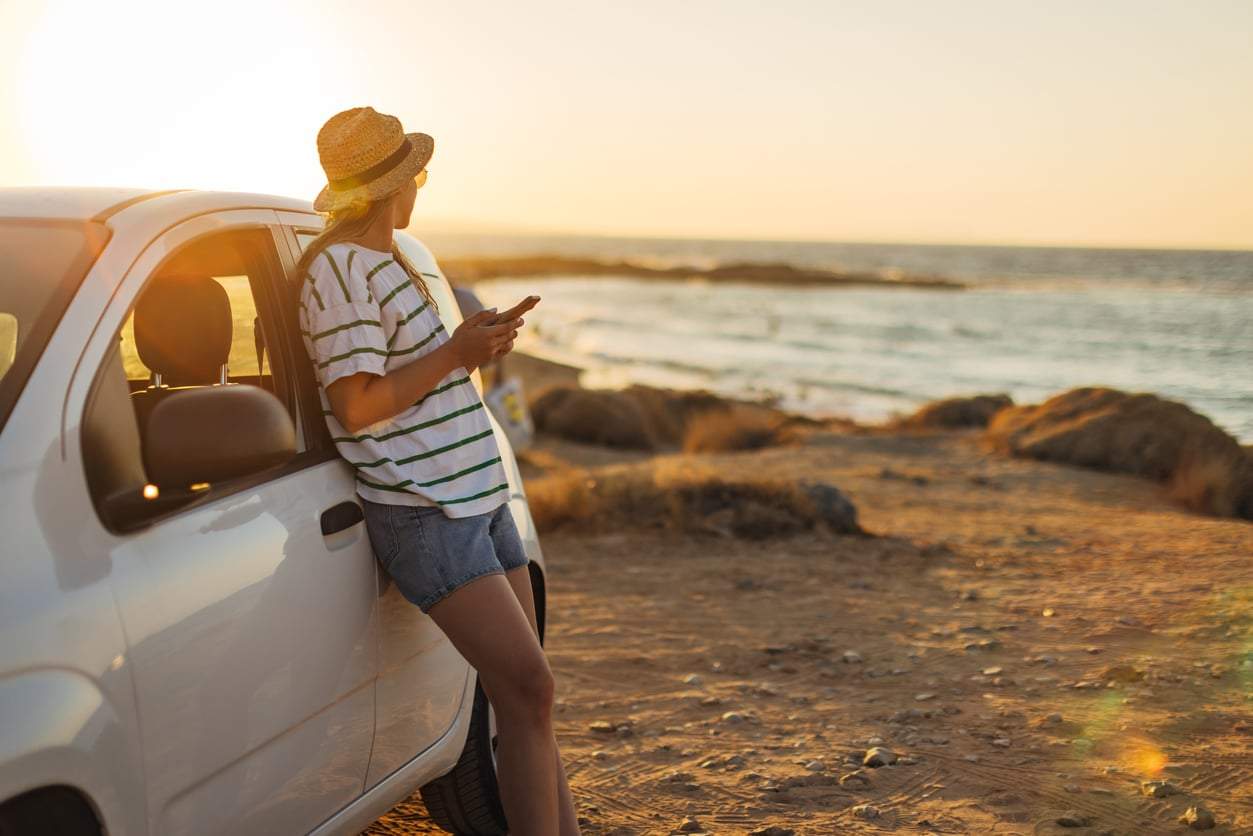
One woman had arrived in a carefully curated outfit that was clearly chosen for photos, not for hiking. She hadn't changed before setting off up the trail. By the time she reached the viewpoint, she spent long minutes refining the exact same pose — while a growing queue of people waited behind her, hoping to actually look at the view.
Someone else had made the climb in strappy sandals better suited to a beachside dinner than a steep, rocky path.
It was strange to watch. And a little thought-provoking.
Standing there, I caught myself starting to compare. Did I look too ordinary? Should I have made more of an effort? And then I realized — that reaction is exactly the trap social media sets for us.
While everyone around me was trying to show the world what an amazing experience they were having, many of them seemed to be missing the experience entirely.
The real cost of the perfect shot
I witnessed a similar scene by the water not long ago. Someone carefully positioned their iced coffee against the perfect background, photographed it from multiple angles, and adjusted the framing several times — all before taking a single sip. By the time they finally drank it, it was almost certainly warm. At a nearby table, a beautifully presented plate of fish and chips went through the same ritual. By the time the photoshoot wrapped up, the food had long since lost its appeal.
I enjoy photographing food too — I even run a blog focused on gluten-free cooking, so I often plan shots in advance. But lately I've become much more deliberate about making sure that never comes at the expense of actually enjoying the meal.
Holidays have quietly become content projects
Not so long ago, holiday photos served a different purpose altogether. You'd take a handful of pictures — your family, your friends, a beautiful view — and flip back through them happily once you got home.
Today, the goal is often something else entirely.
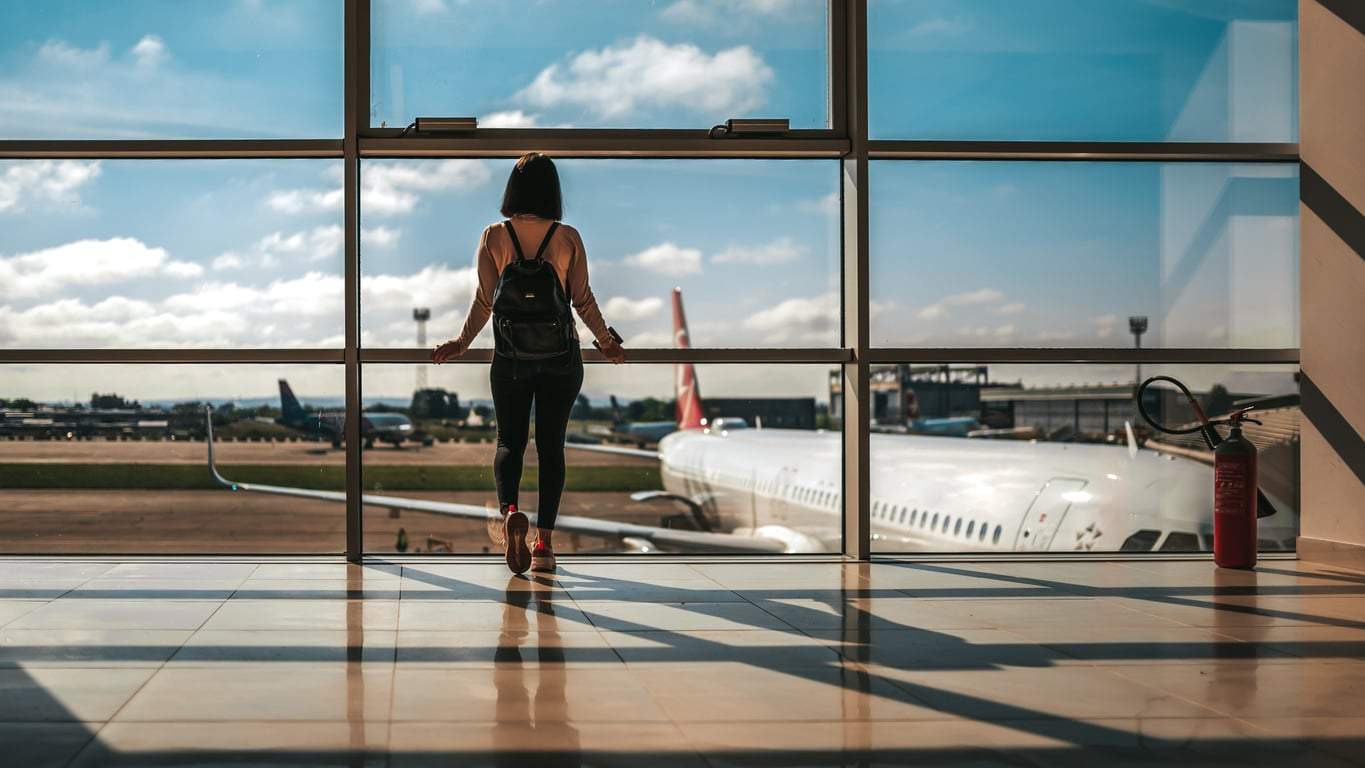
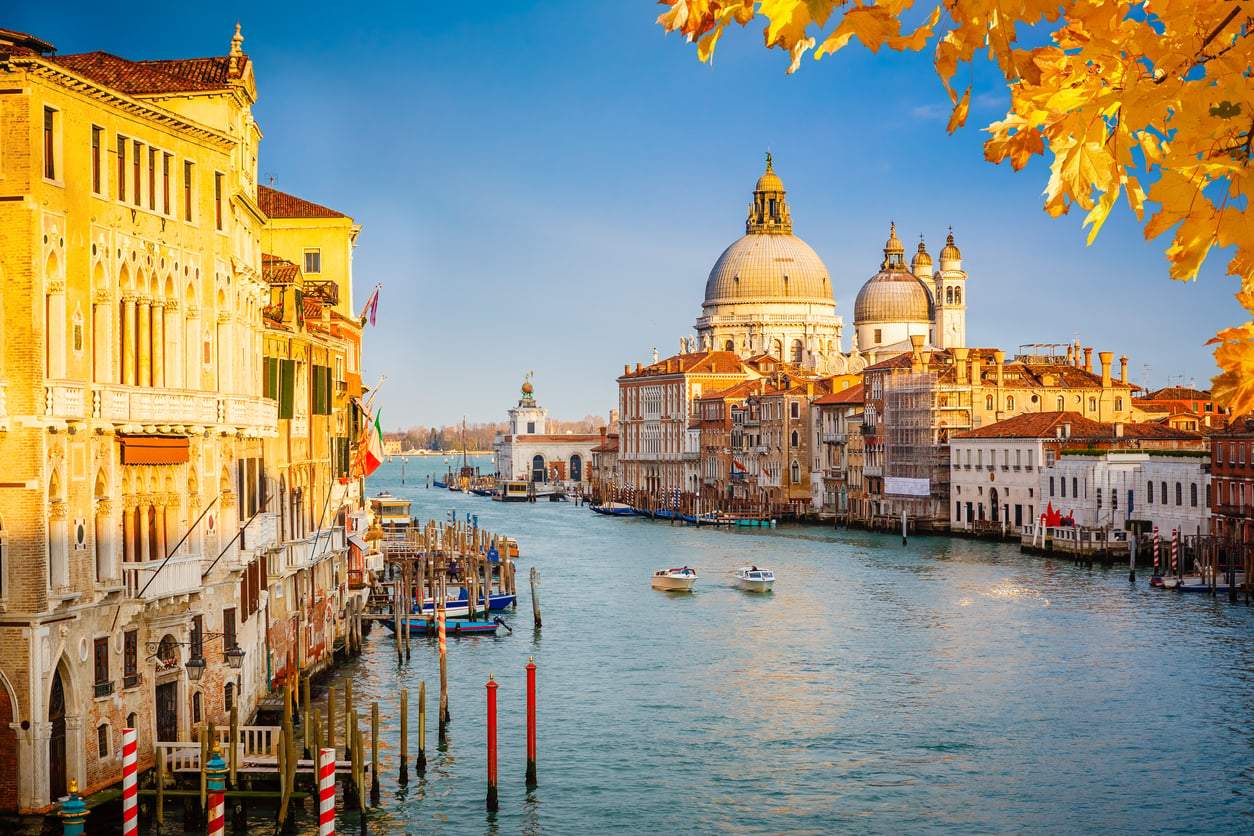
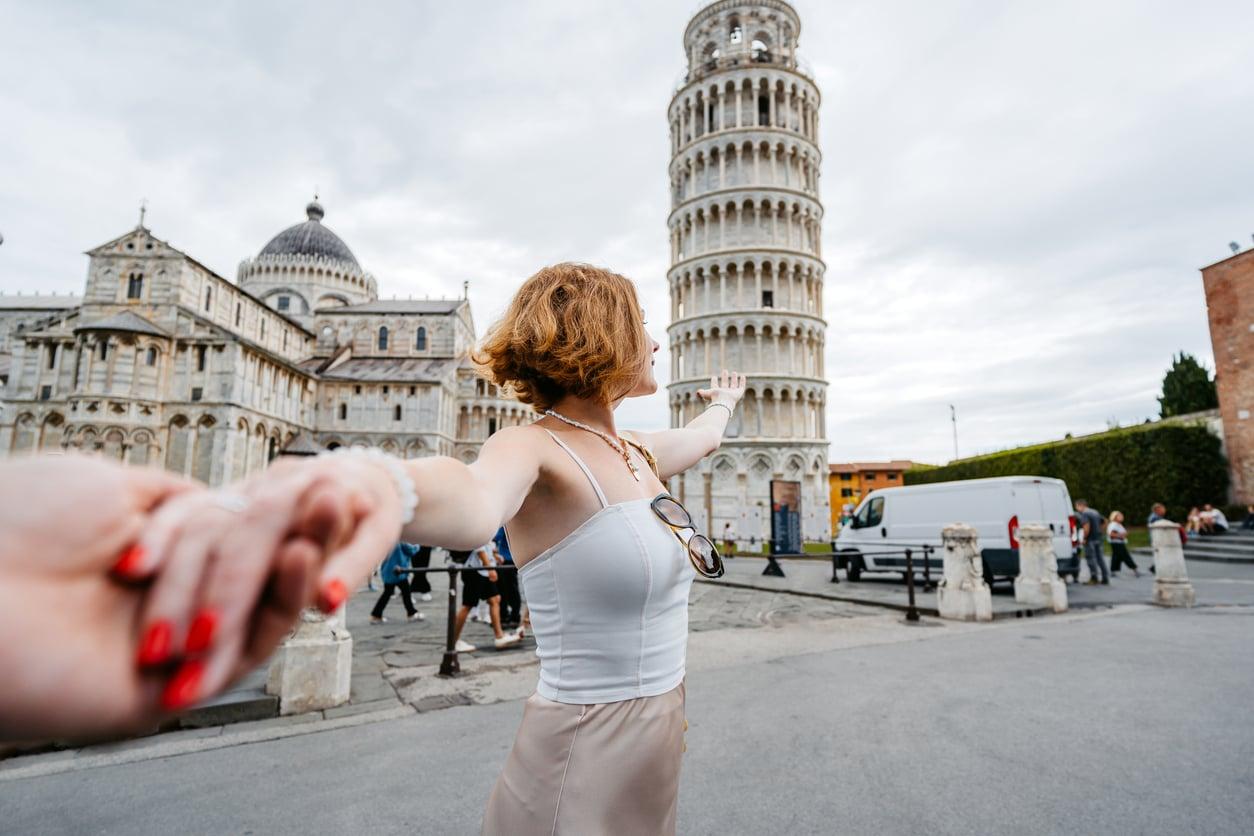
Before the trip, we gather inspiration. We scout locations. We research which café has the most photogenic interior, where the most famous photo spot is, and which outfits will look best on camera. The holiday is planned not just as a break, but as a shoot.
For many people, part of the holiday has become a photography project — not necessarily by conscious choice, but because social media has quietly created a new set of expectations around how we experience and share our lives.
What we see online is rarely the full story
Scrolling through social media, it's easy to believe that everything works out perfectly for everyone else. The perfect body. The perfect relationship. The perfect holiday. The perfect photo.
But we don't see the twenty failed attempts before that one shot. We don't see the 5am alarm to beat the crowds to the viewpoint. We don't see the blisters, the arguments, or the moments when comfort was sacrificed entirely for the sake of a striking image.
We see the final result. One carefully chosen moment. And we compare it — almost instinctively — against the full, unfiltered reality of our own lives.
Chasing likes often costs us the thing that matters most
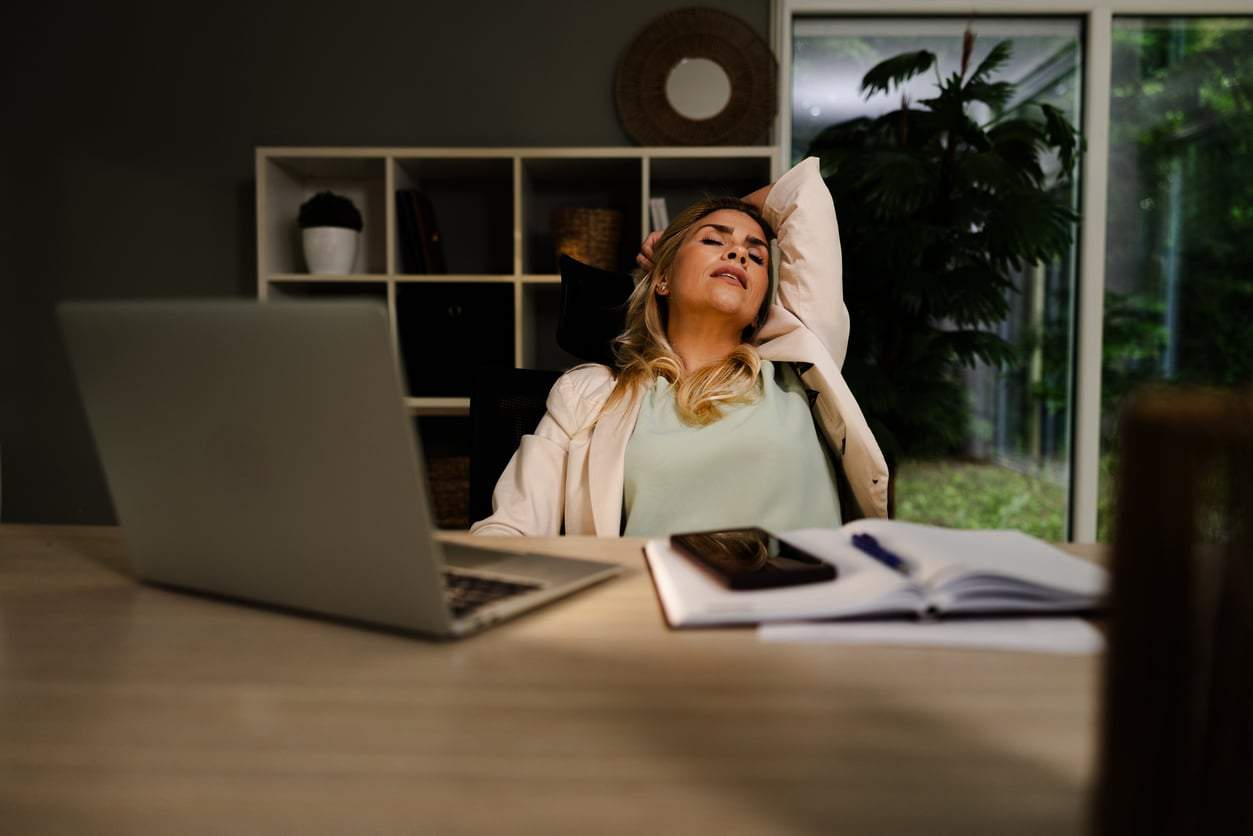
One of the greatest gifts a holiday can give you is the chance to step away from the relentless pace of everyday life. And yet so many of us pack the same patterns we were trying to escape.
Shooting. Filming. Editing. Posting. Checking comments. Counting likes. Meanwhile, the whole reason we left home quietly fades into the background — the sound of the sea, the mountain air, a long unhurried conversation, a burst of spontaneous laughter, a moment so private and so real that you never shared it with anyone, but you'll carry it with you for years.
The problem isn't photography
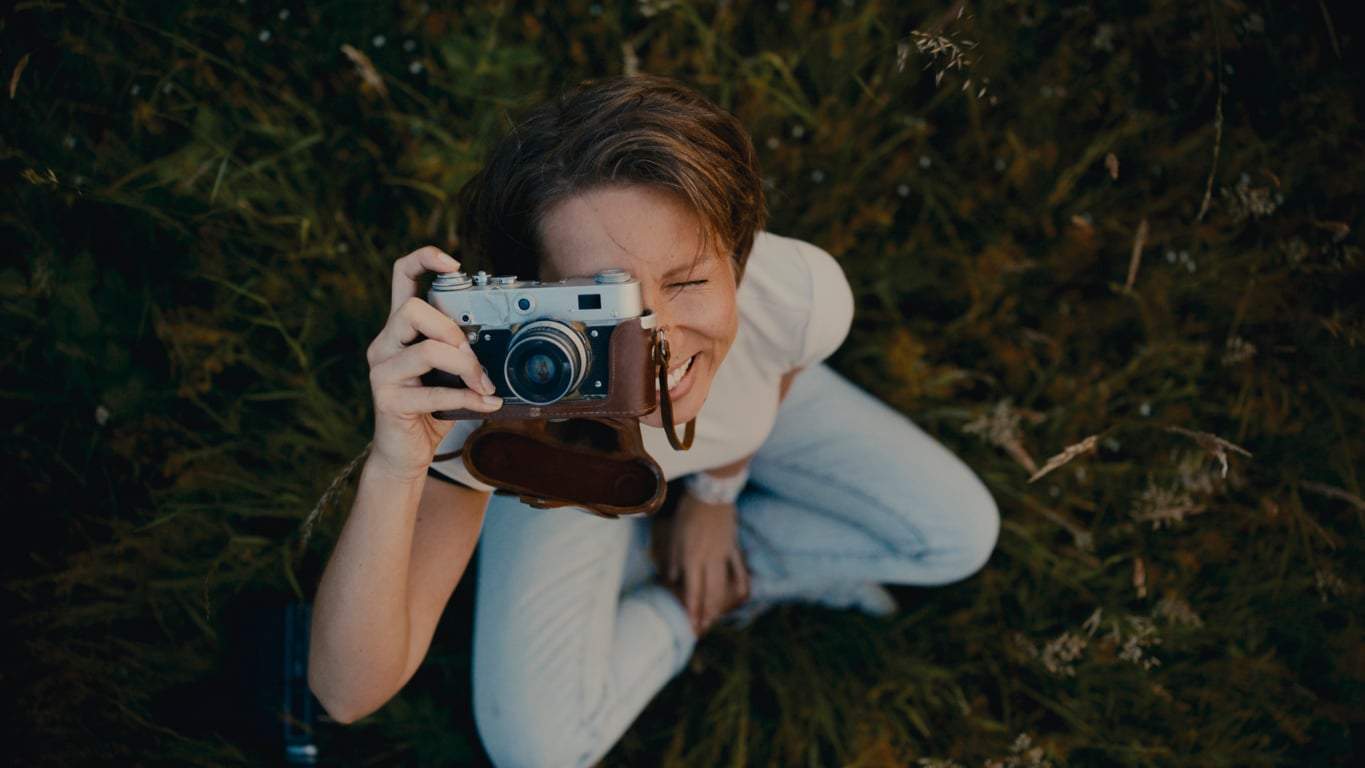
There's nothing wrong with loving photography — I do, genuinely. For many people, taking pictures isn't just documentation; it's a form of creative expression. A well-composed image can be just as much a part of the experience as the journey itself.
The problem begins when the image becomes more important than the moment it was meant to capture.
When you watch a sunset through a phone screen instead of with your own eyes. When you spend more time adjusting settings than taking in the view. When you measure the success of a holiday by how many likes the photos received.
The best summer memories are rarely perfect
Years from now, the photos you'll treasure most probably won't be the technically flawless ones. They'll be the memory of getting completely lost in an unfamiliar city. The afternoon a sudden downpour caught you off guard. The evening you laughed with friends until your sides hurt. The moment the wind wrecked your hair and not a single photo turned out the way you planned.
Because the most beautiful moments in life are often the least photogenic. But they're real.
And in the end, that's worth so much more than any perfectly curated summer shot.