Here's something strange about smiles: we're drawn to them in almost everyone else, yet many of us can't stand our own. You'll happily tell a friend they have a beautiful smile — then turn away from your own reflection.
A recent study confirmed exactly this. A large share of people say they're not happy with their own smile, even though they find the same gesture warm and attractive in others. So what's really going on? Why do we admire everyone else's smile while quietly criticizing our own?
The answer runs deeper than a few crooked teeth.
A smile is never just a smile
It's easy to think of smiling as a small, automatic gesture we throw into everyday conversations. But the meaning of a smile is far more layered than that. Across different cultures it can carry very different messages, and on a personal level it can reveal a whole range of emotions.
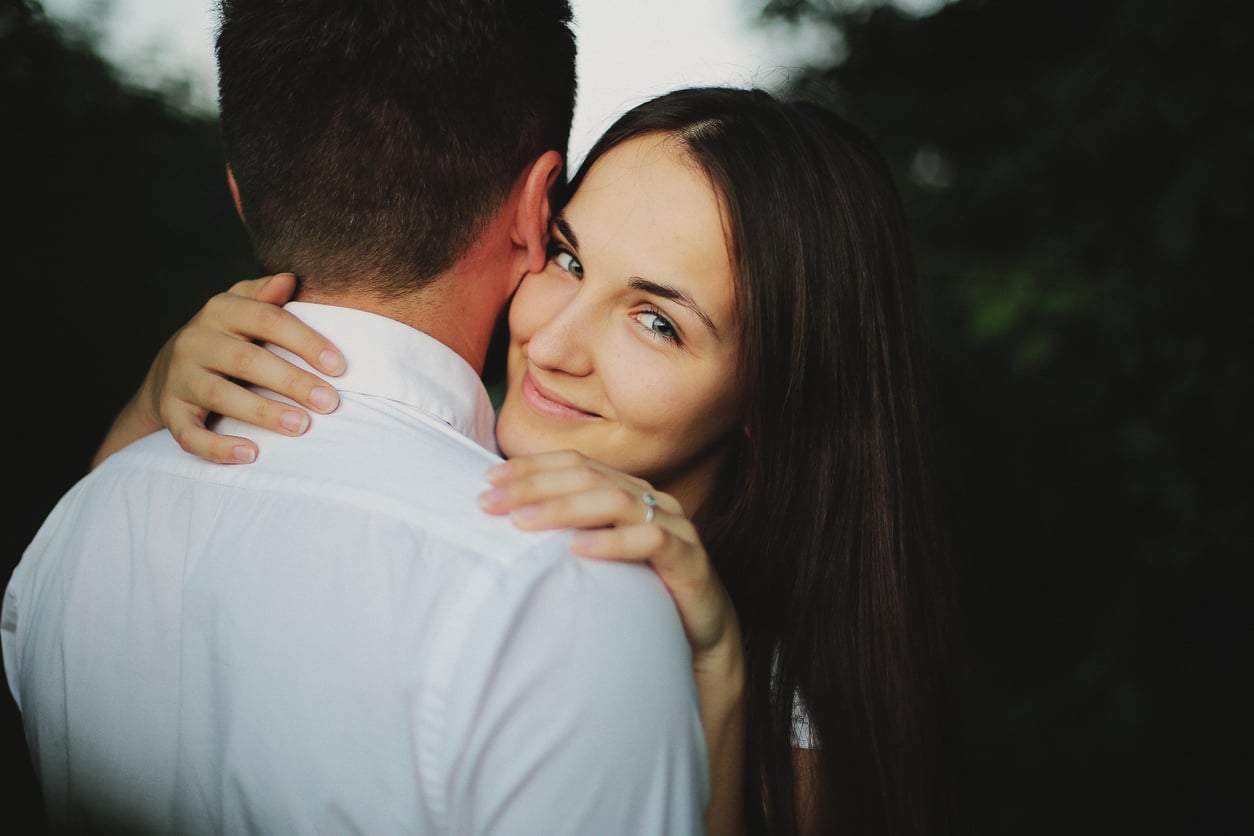
For some, a smile is pure joy. For others, it can even signal tension or aggression. Most of us, though, read it as a sign of warmth, intimacy and belonging — a quiet way of saying, "I'm open to you."
Confidence and the state of your teeth
A lack of confidence is one of the most common reasons someone doesn't like their own smile. Many people feel their smile just isn't pretty or attractive enough, and the culprit is often the appearance of their teeth. Crowded, discolored or otherwise imperfect teeth leave a lot of people feeling self-conscious.
It's no accident that toothpaste and oral-care ads are built around bright, confident smiles — the state of our teeth has a powerful hold on our self-image.
Seen this way, it makes sense that so many people invest in dental care and cosmetic treatments. More and more of us are turning to braces, whitening and other cosmetic procedures to improve our smile and feel more sure of ourselves in social situations.
How culture and trends shape what we consider "perfect"
Whether a smile counts as beautiful or attractive is partly a matter of cultural norms and passing trends. Different eras and cultures hold different ideals of beauty, and those ideals quietly shape what we think a "good" smile should look like.
Just think about how much the beauty standard has shifted over the past century. Today's trends often fixate on perfectly straight, dazzlingly white teeth — a standard that puts real pressure on ordinary people.
On top of that, public appearances, social media and celebrity smiles all feed into the ideals we measure ourselves against. If you've ever wondered how much of what you see online is quietly reshaping your self-image, this is a good place to start.
Instagram and other platforms are full of "perfect" smiles, retouched and filtered into place — pushing our expectations further and further from reality.
The emotional and psychological side
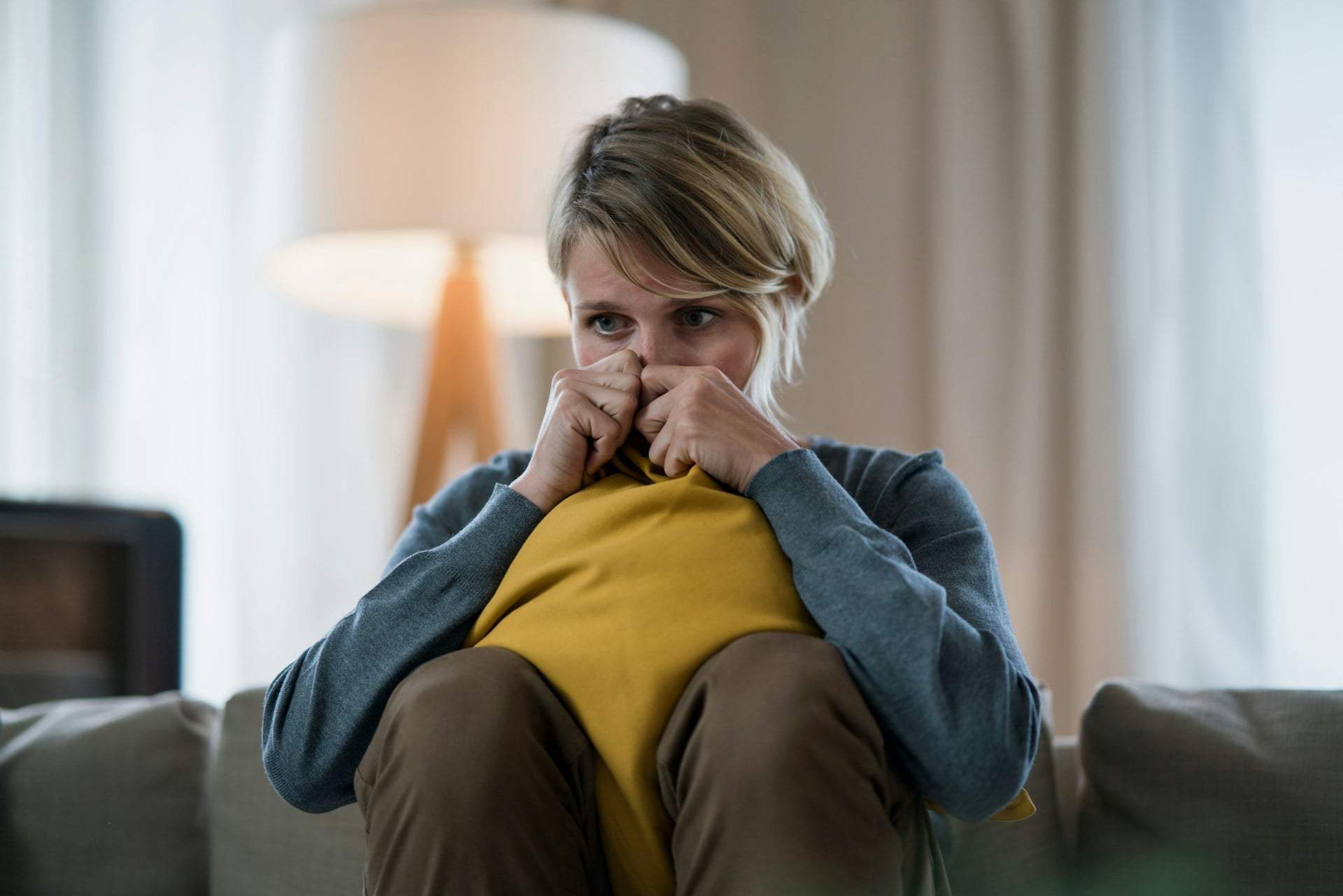
Our unhappiness with our smile can also have deeper psychological roots. The way we see ourselves from the inside has a huge influence on how we feel about our smile. Low self-esteem, past bad experiences, or the feedback we've received from others can all quietly chip away at how we judge it.
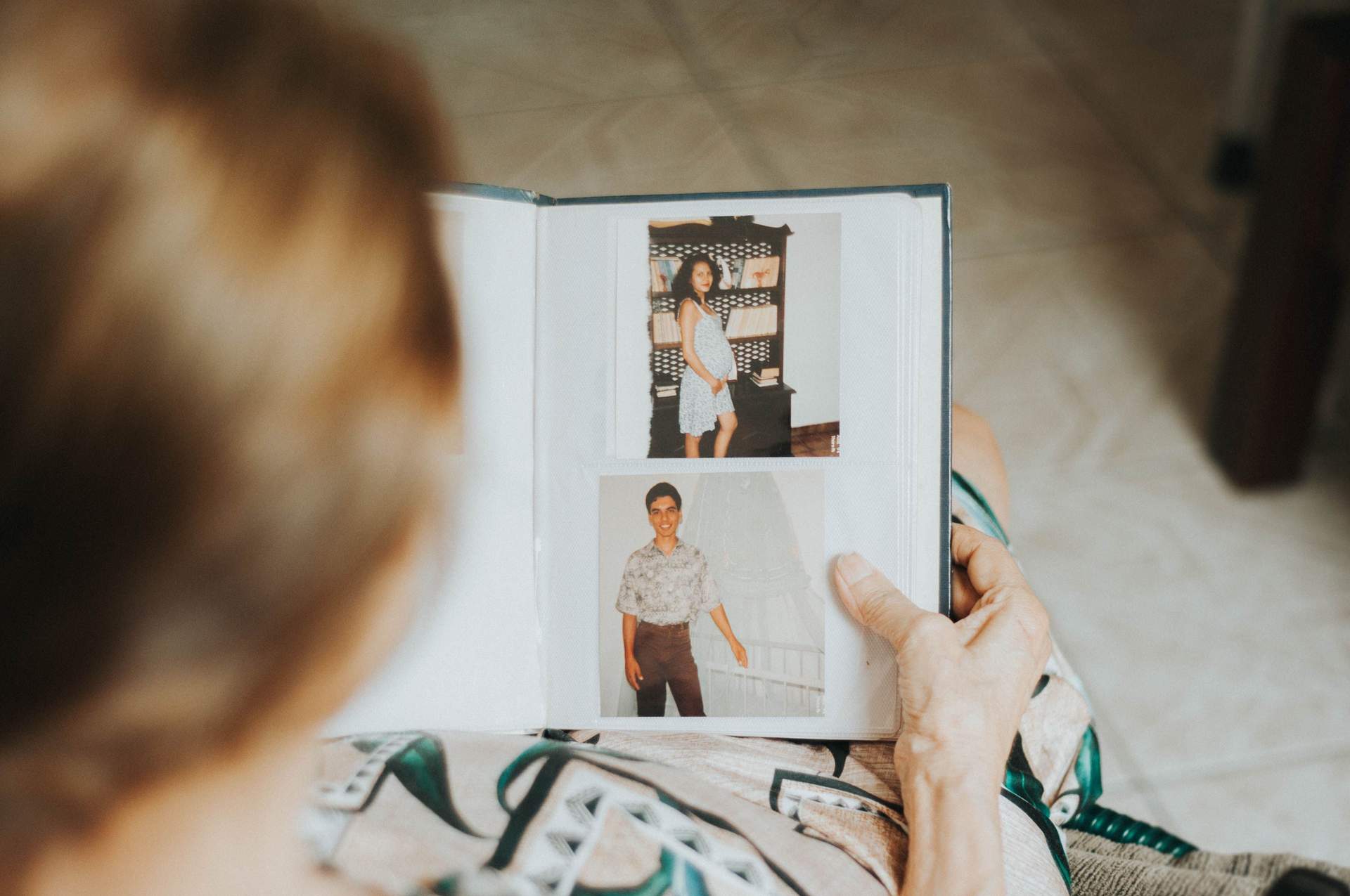
Imagine someone who was teased about their teeth or their smile as a child. As an adult, those old comments can be surprisingly hard to shake. That inner tension often feeds a lack of confidence, which in turn keeps us from smiling freely and openly.
Why your smile matters more than you think
Even if you struggle with insecurity about your smile, it's worth remembering what a smile actually does in our relationships. A genuine smile can work small miracles in everyday life, building an emotional bridge between people almost instantly.
Smiling is really more than a simple gesture — it has countless positive effects on both our physical and mental well-being.
To keep showing up as warm and approachable, it helps to accept your own smile exactly as it is. In social situations, a smile radiates openness and trust, so it's worth easing up on the standards we set for ourselves.
When you stop chasing perfection and aim instead for honesty and authenticity, real connection with others becomes so much easier to find.
Why do so many people dislike their own smile?
It usually comes down to a mix of low confidence, self-consciousness about their teeth, and unrealistic ideals absorbed from culture and social media. Many people find the same smile perfectly attractive on someone else.
Does social media really affect how we see our smile?
Yes. Platforms like Instagram are full of retouched, filtered "perfect" smiles, which can push our expectations far beyond what's realistic and make us more critical of our own.
Can childhood experiences shape how we feel about our smile?
They can. Negative comments about your teeth or smile early in life can stay with you into adulthood, feeding insecurity that makes it harder to smile freely.
How can I feel more comfortable with my smile?
Try easing up on the standards you set for yourself. Focusing on honesty and authenticity rather than perfection makes it easier to smile openly and connect with others.