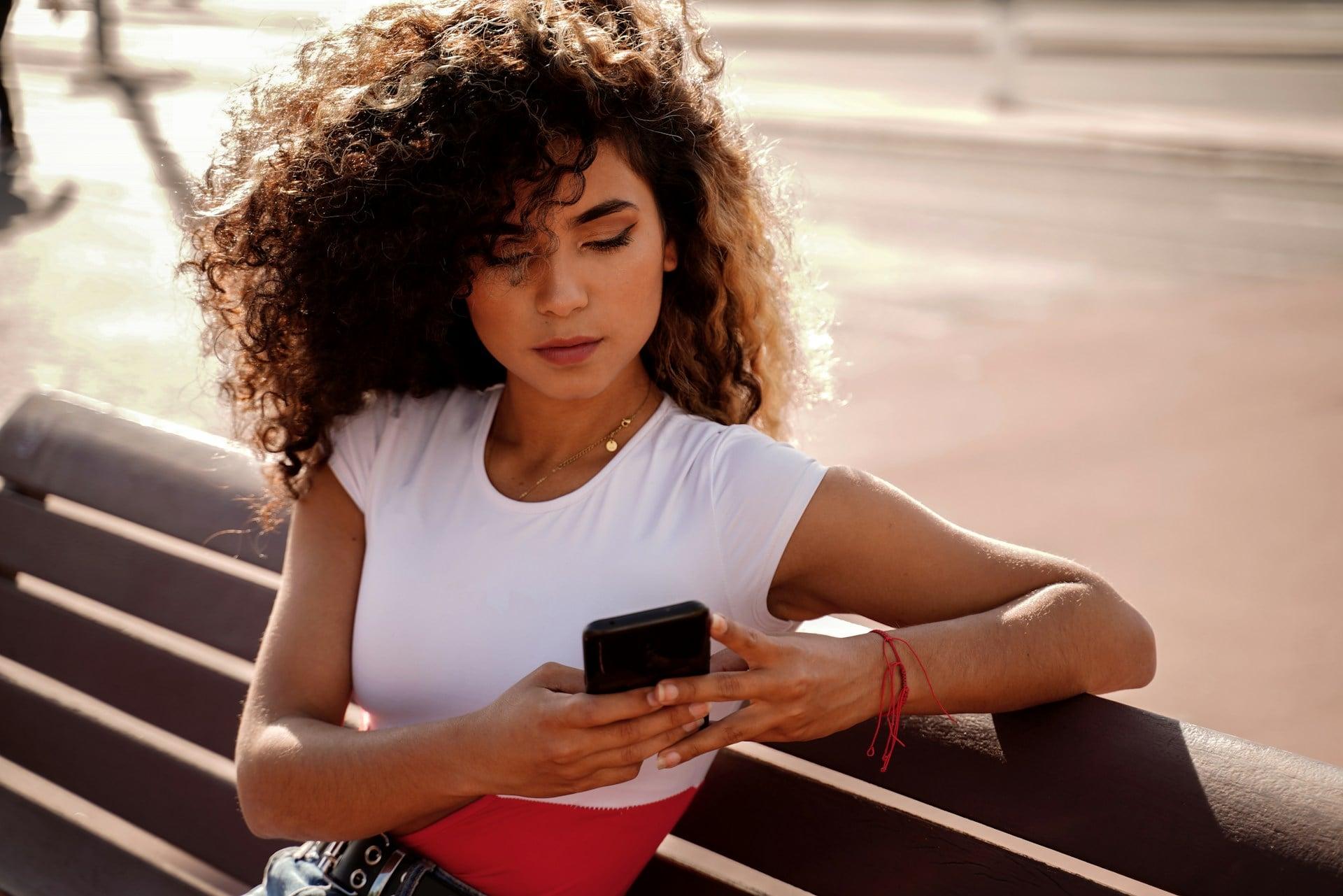
Scroll through Instagram for five minutes and you'll find flawless travel shots, glowing skin, dream homes, and endless success stories. It all looks effortless. It all looks real. But most of it is a carefully constructed highlight reel — and our brains are wired to fall for it every single time.
Understanding the psychological mechanisms behind this can help you step back, see the platform for what it really is, and protect your mental well-being in the process.
The selective presentation trap
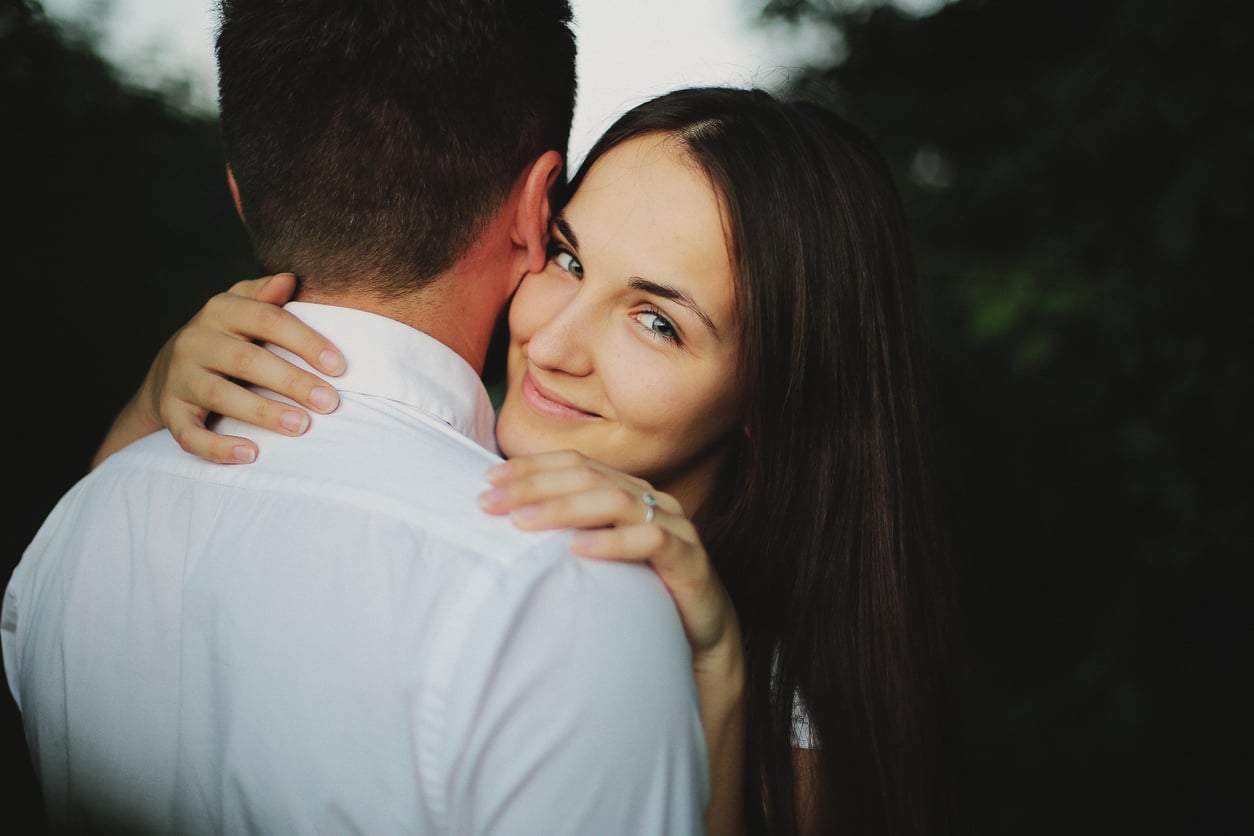
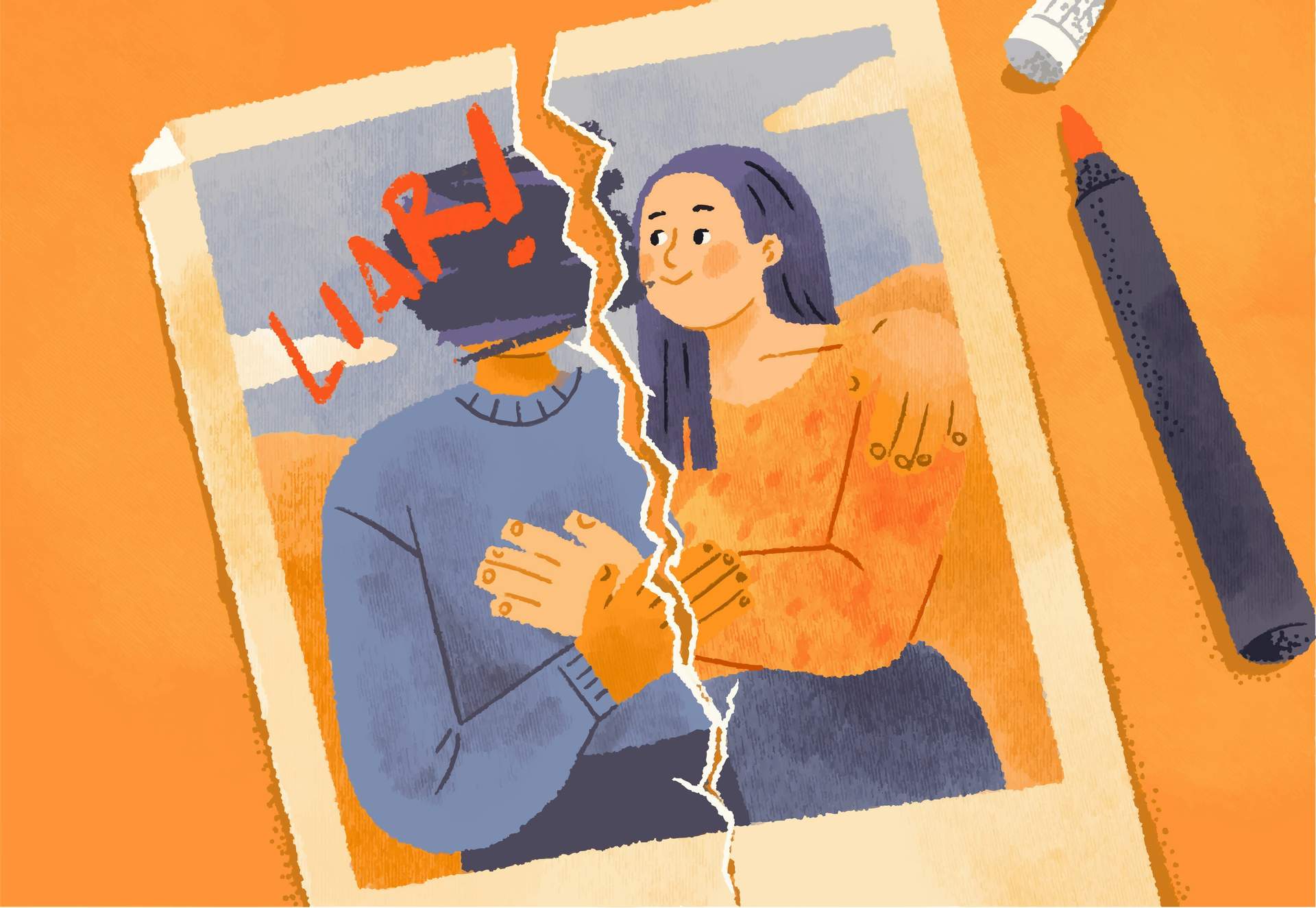
Nobody posts their bad days. Nobody shares the argument they had before the "perfect family photo," or the anxiety behind the confident smile. People share the best version of their lives — and Instagram makes this easier, faster, and more addictive than ever before.
This isn't entirely new. We've always curated our photo albums and told our best stories at dinner parties. But Instagram amplifies it dramatically. The platform rewards polished, aspirational content with likes and attention, which pushes everyone — celebrities and everyday users alike — to compete in presenting the most flawless version of themselves.
The result is a feed full of highlight reels that nobody actually lives, but everyone secretly compares themselves to.
The comparison trap
Once you're exposed to a stream of seemingly perfect lives, the comparison instinct kicks in automatically. You start measuring your own life — your body, your home, your relationship, your career — against images that were never meant to be realistic in the first place.
Research consistently shows that social comparison tends to lower self-esteem, especially when we compare ourselves upward — that is, to people who appear to have more, look better, or achieve more than we do. On Instagram, almost every scroll is an upward comparison. The platform is essentially a curated gallery of "better."
The antidote isn't to pretend comparison doesn't happen — it's to remind yourself, consciously and repeatedly, that everyone's life includes struggle, failure, and ordinary Tuesday afternoons. Those just don't make the feed.
The instant gratification trap
Instagram doesn't just affect how we see others — it changes how we see ourselves, too. Every post is a small bid for validation, and every like or comment delivers an instant hit of positive reinforcement.
The problem is that this kind of approval is fleeting. It feels good for a moment, then fades — leaving you reaching for the next post, the next reaction, the next dopamine spike.
Studies have shown that this cycle of instant gratification creates a temporary sense of happiness that requires constant renewal. Over time, it can become exhausting — and it quietly pulls your attention away from the relationships and experiences that create lasting satisfaction.
How to break free from these traps
Awareness is the first and most powerful tool. Simply knowing that Instagram is built on selective, curated content changes how you process what you see. When you catch yourself feeling envious or inadequate, pause and ask: am I comparing my whole life to someone else's best moment?
Beyond awareness, here's what actually helps:
- Audit who you follow. If certain accounts consistently make you feel worse about yourself, unfollow them. Your feed should inspire, not deflate.
- Invest in real-world connections. The validation that comes from genuine relationships is far more durable than any number of likes.
- Set intentional limits. Mindless scrolling is where the traps do their damage. Deliberate, time-limited use puts you back in control.
- Build self-worth offline. Confidence rooted in your own values and actions isn't shaken by someone else's vacation photos.
Instagram isn't going anywhere — but your relationship with it can change. The goal isn't to quit the platform; it's to stop letting it quietly set the standard for how your life should look.