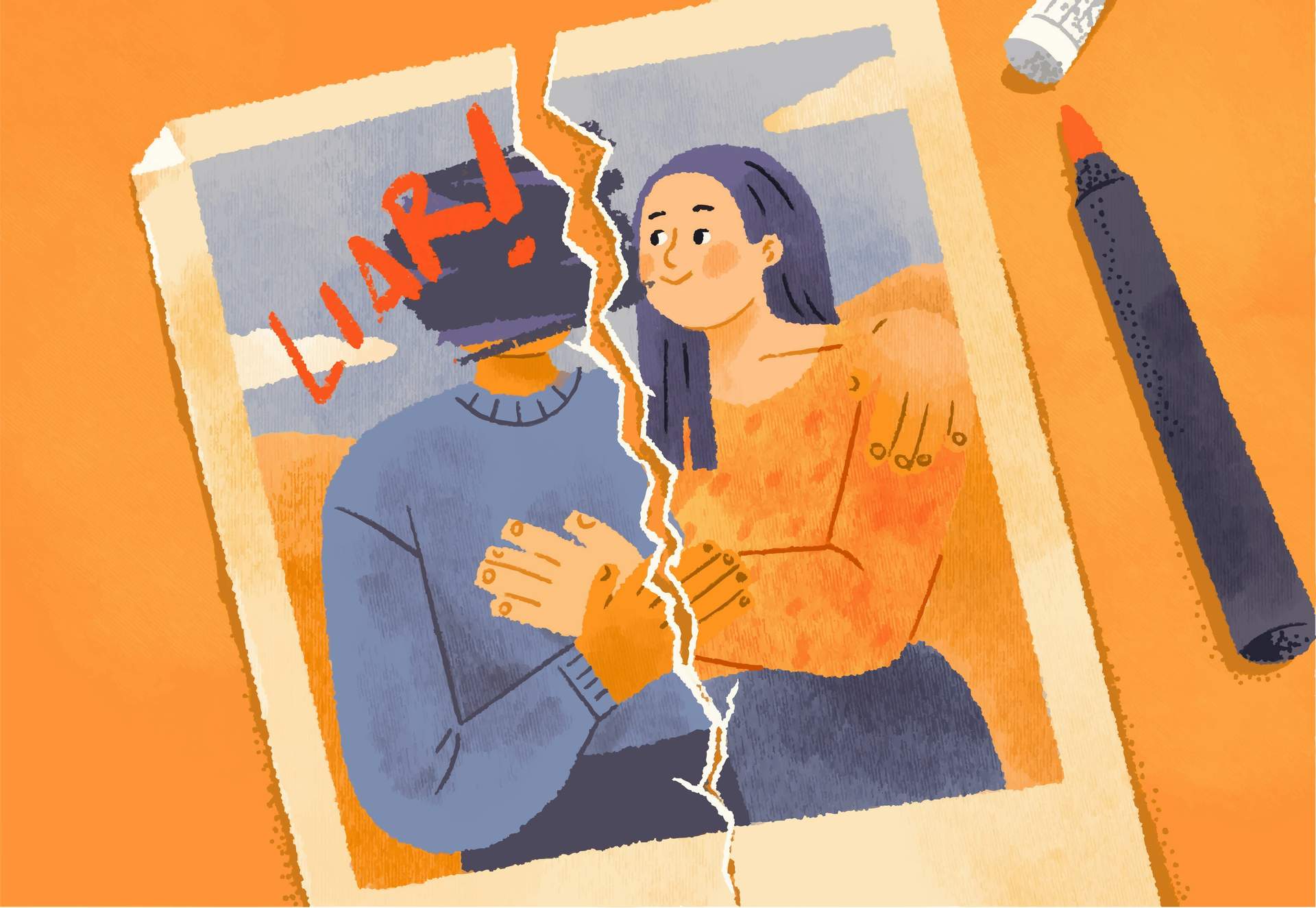
Let’s explore six psychological signs that might mean you’re shouldering too much responsibility for others.
Indecisiveness, like putting others’ needs first
It’s common to find yourself always prioritizing others’ interests, even when it comes at the expense of your own needs. People who take on too much responsibility for others often notice they can’t make decisions without worrying about others’ needs.
Research shows this kind of selflessness often stems from self-esteem challenges. We feel less valuable if we’re not helping others, so we choose what’s best for them instead of ourselves.
Ongoing stress and exhaustion
Constantly taking responsibility for others can lead to serious stress and burnout over time. This happens because you’re investing too much energy in others’ problems without giving yourself enough time to recharge.
Psychologists often stress how crucial it is to carve out time for yourself. It’s your chance to regain energy and maintain your mental well-being. If you feel like you can’t relax even for a moment because you’re worried about others, that’s a clear sign you’re carrying too much.
The constant presence of guilt
Another sign is feeling guilty when you think you haven’t done enough for others. If this guilt sticks around, it’s a strong hint you’re over-responsible for those around you.
This guilt often comes from over-identifying with others’ problems, almost living them as your own. Without clear emotional boundaries, you might feel like a failure if you can’t fix others’ issues.

Self-esteem struggles
If you’re always responsible for others, you might start feeling like you’re only valuable when you’re useful and supportive. This mindset can fuel self-esteem issues because your worth isn’t based on your own happiness or achievements, but on the role you play in others’ lives.
Psychologically, this often ties to the need to always appear good and lovable in others’ eyes. As a result, you can lose touch with your true self.
Overstepping emotional boundaries
When you constantly worry about others, it often means you struggle to maintain healthy emotional boundaries. This boundary-less approach makes it easy for others to take advantage of you, leading to more stress and emotional strain.
Psychologists recommend learning to say no. This helps you honor your own needs. If you say yes to everything, you risk losing control over your own life.
Fear of rejection
Many people fear rejection, so they try too hard to please others. This fear often links to deeper issues like low self-esteem or past experiences of being turned down.
These feelings push us to constantly seek others’ happiness, even when it’s exhausting and painful for us. Recognizing how much this pattern drains your mental health is the first step toward change.
If you notice any of these signs in yourself, it’s important to find tools and techniques that help you restore balance. Remember, you’re not alone, and professional support is always an option if you need it. Self-awareness and setting healthy emotional boundaries are your first steps to a more balanced life.