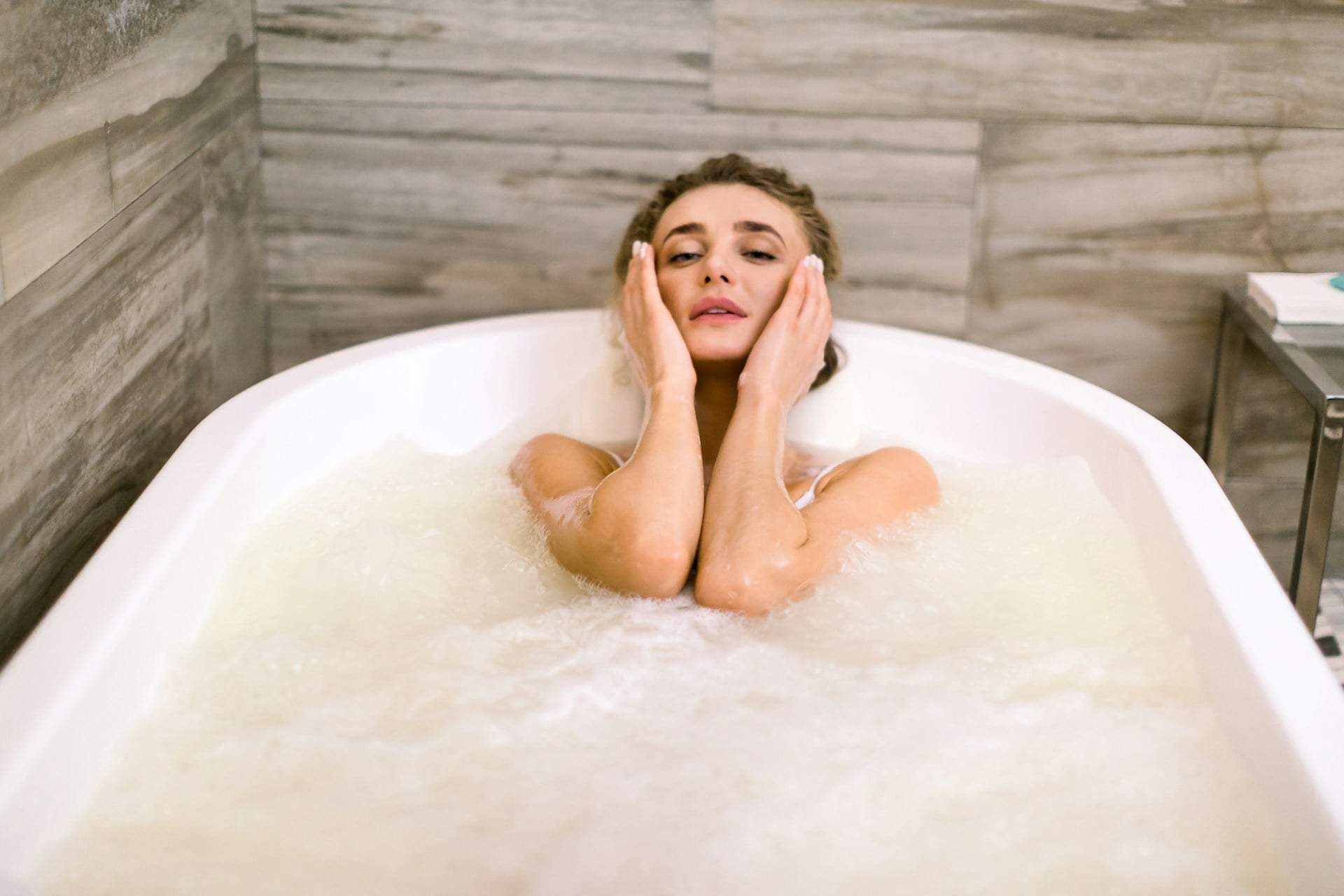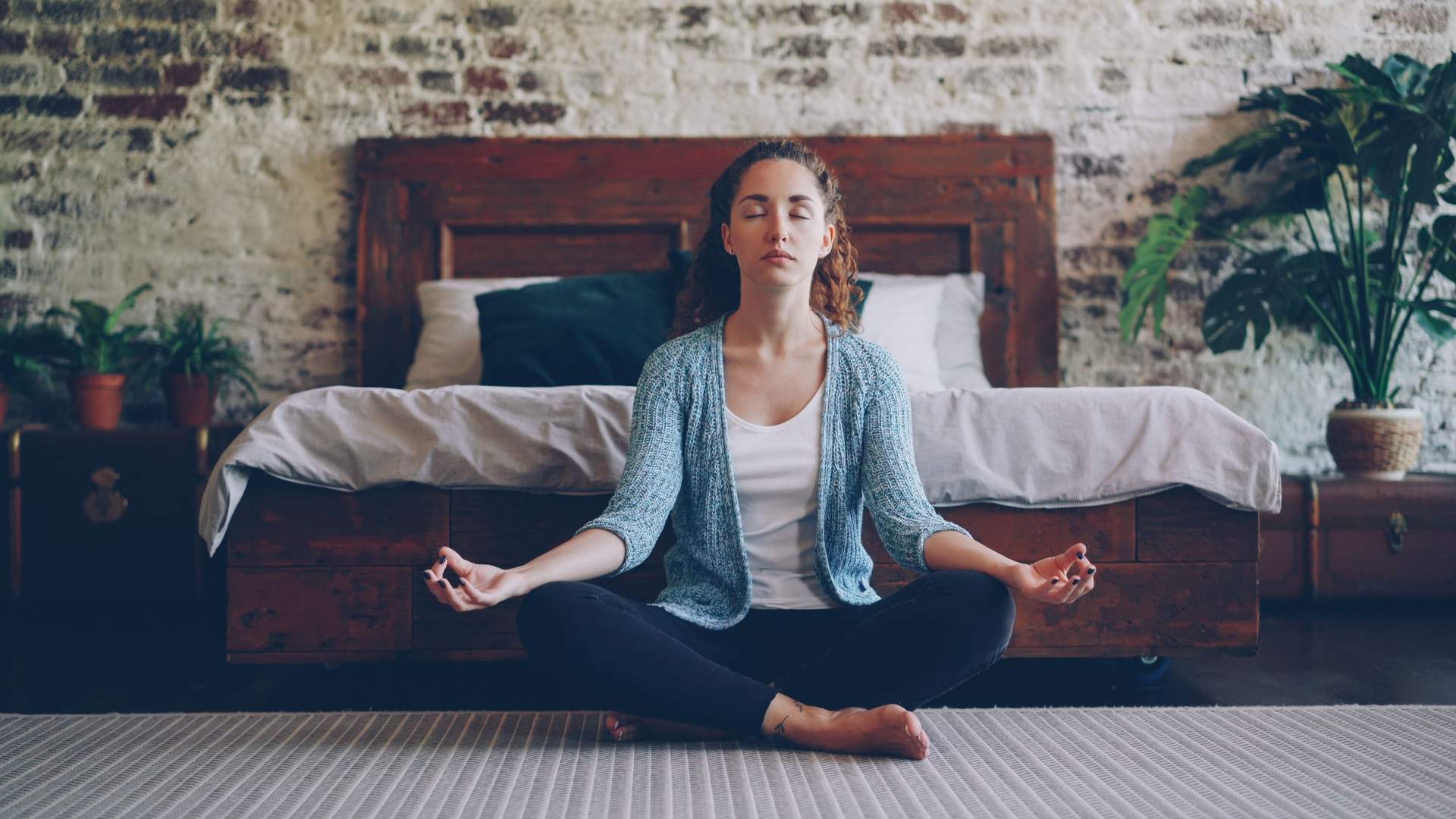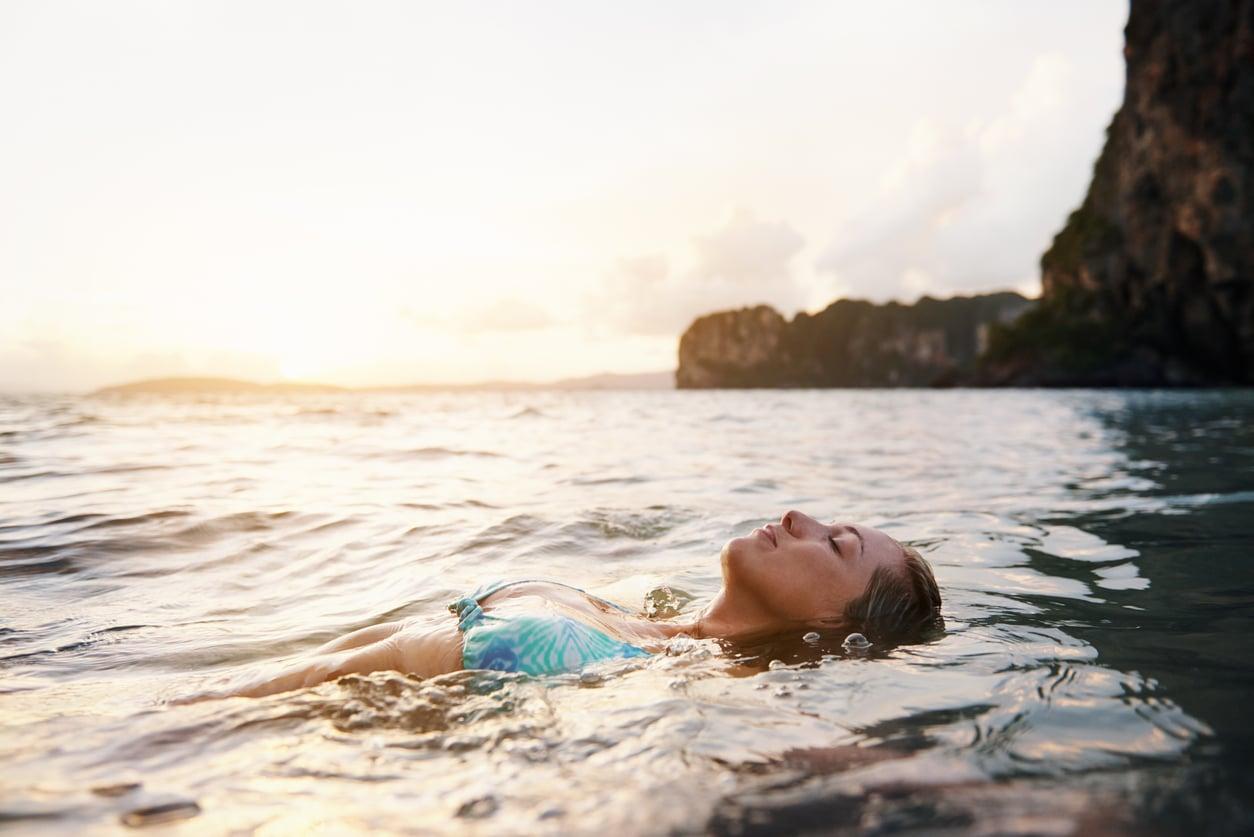
There's something almost magical about floating in cool water, your body weightless, your mind finally quiet. Water has a unique ability to strip away tension in a way that land-based relaxation simply can't match. Here are three exercises worth trying the next time you find yourself near the water.
Why water works so well for relaxation
Relaxing in water isn't just a physical experience — it's a mental reset. The gentle resistance of water encourages slow, deliberate movement, while the act of breathing deeply in a relaxed state lowers cortisol levels and calms the nervous system.
That's why these three exercises feel so much more effective in water than they ever would on a yoga mat or in a meditation chair.
Savasana in water: the floating experience
You may already know savasana — the "corpse pose" from yoga — as the ultimate surrender to stillness. In water, it becomes something even more profound. Float on your back at the surface, let every muscle go limp, and allow the water to hold you completely.
Focus on your breath. With each inhale, feel the water rise gently beneath you. With each exhale, sink a little deeper into relaxation. There's no effort required — just presence. This practice is one of the most effective ways to release stress and cultivate a lasting sense of inner calm.
The jellyfish technique: letting go of tension
This one sounds simple — and it is — but don't underestimate it. Stand or sit in the water, lean slightly forward, and let your hands hang below the surface. Then slowly raise them, letting your fingers trail loosely like jellyfish tentacles drifting through the sea.
With each movement, imagine you're releasing whatever you've been carrying — stress, worry, mental clutter. The sensation of water flowing through your fingers anchors you to the present moment in a way that's surprisingly powerful. It's a moving meditation that requires almost nothing from you.
Breathing with the waves: finding inner silence
This breathing exercise works beautifully in the sea, a lake, or even a pool with gentle movement. Stand or float in the water and begin to breathe slowly and deliberately. Try to sync your inhale and exhale with the natural rhythm of the water around you.
With every breath in, feel the water's quiet presence — cool, steady, unhurried. With every breath out, let go of whatever tension remains. This practice doesn't just regulate your breathing; it creates a deep inner stillness that stays with you long after you've stepped out of the water.
Making it a daily ritual
Incorporating water-based relaxation practices into your routine — even occasionally — can do wonders for both physical and emotional balance. This environment has a rare quality: it quiets the mind while gently restoring the body at the same time.
Whether you practice in the morning to set the tone for the day or in the evening to unwind, the consistency is what makes the difference — greater focus, lighter mood, and a deeper sense of ease.
Next time you're near water, don't just swim — breathe, float, and let it do its work.