You know the feeling. You've turned over in bed for the third time, and one sentence from your day keeps looping in your head — something a coworker said hours ago. Your breathing is shallow, your shoulders are tight, and the harder you try to force sleep, the further it slips away.
There's a surprisingly simple fix for exactly this moment. American physician Dr. Andrew Weil developed a method drawn from yogic pranayama breathing and turned it into something anyone can use in bed tonight. Today we know it as 4-7-8 breathing.
What actually happens in your body when you're anxious?
When your nervous system flips into emergency mode, the sympathetic nervous system takes over. Your heart rate climbs, your breath turns shallow, and you start pulling air quickly from the upper part of your chest.
That pattern feeds itself. Shallow, rushed breathing sends your body a single message: you're in danger — and the tension keeps building.
The whole point of the 4-7-8 technique is to deliberately lengthen your exhale, which activates the parasympathetic nervous system — the one responsible for rest and calm.
The exact steps
The practice itself is remarkably simple, but it's worth running through it a few times before you rely on it at bedtime.
- Part your lips slightly and exhale slowly and audibly through your mouth.
- Close your mouth and breathe in quietly through your nose for a count of four.
- Hold your breath for a count of seven.
- Exhale completely through your mouth for a count of eight, again with a soft, audible sound.
That's one full cycle. Start with just four repetitions, and over time you can work your way up to eight.
Why this particular ratio matters
The magic isn't in the numbers themselves. It's in the fact that your exhale is twice as long as your inhale. That long, controlled release is what signals to your body that there's no threat and it's safe to slow down.
Weil himself stressed that the real power lies in repetition and consistency, not in the miracle of a single session.
It doesn't matter whether you count perfectly — what matters is that your exhale is genuinely twice as long as your inhale.
If bedtime rituals interest you, it's also worth exploring small habits that help you wind down before sleep.
When and how to practice it
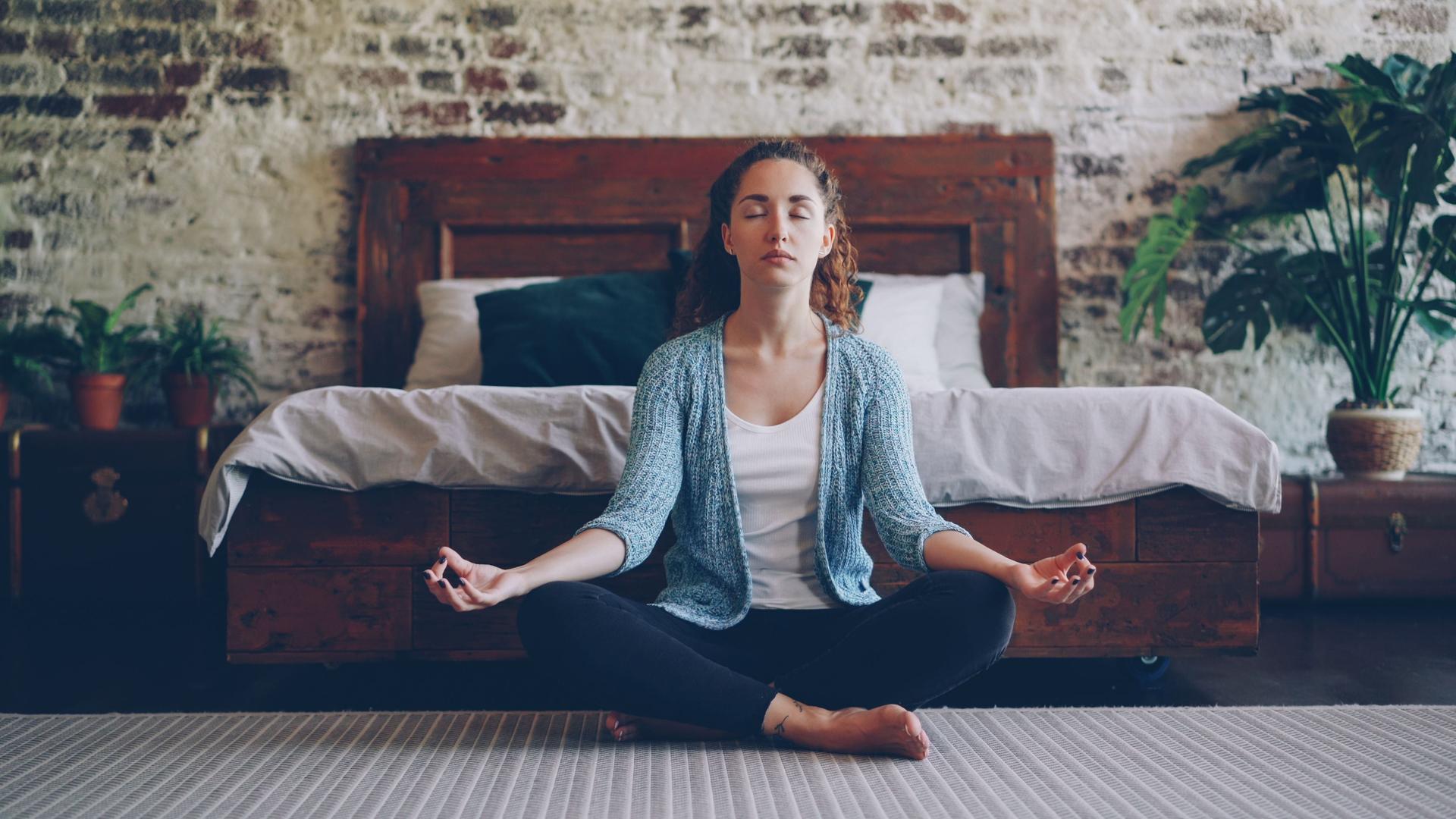
Just before you switch off the light, sit or lie down comfortably, close your eyes, and begin the cycles. Many people report that by the second or third repetition their pulse noticeably slows, their jaw relaxes, and their thoughts stop racing quite so fast.
It also works during the day — before a tense meeting or while sitting on a plane — since it requires no equipment and no special place to do it.
A few things to keep in mind
In the beginning, it's common to feel slightly lightheaded or rushed. That usually happens simply because your body isn't used to holding air for that long. It helps to start in a seated position and not force the counting if it feels uncomfortable.
If you have any respiratory issues, it's wise to check with your doctor before making this a regular habit, since longer breath-holds aren't equally comfortable for everyone.
The 4-7-8 method isn't a magic switch that makes anxiety vanish overnight. Think of it instead as a tiny, repeatable ritual that teaches your body how to shift back into calm. After a few weeks of regular practice, many people find their bodies start to relax within the first couple of cycles — often before their mind has fully gone quiet.
How long does it take for 4-7-8 breathing to work?
Many people feel a difference within the first few cycles — a slower pulse and a more relaxed jaw. The deeper benefits, though, tend to build up over a few weeks of regular practice.
How many times should I repeat the cycle?
Start with four full cycles. As you get more comfortable, you can gradually work your way up to eight.
Can I use 4-7-8 breathing during the day?
Yes. Because it needs no equipment or special setting, it works well before a stressful meeting or while sitting on a plane, not just at bedtime.
Is 4-7-8 breathing safe for everyone?
For most people it's gentle and easy. If you have respiratory problems, talk to your doctor first, since longer breath-holds aren't equally comfortable for everyone.