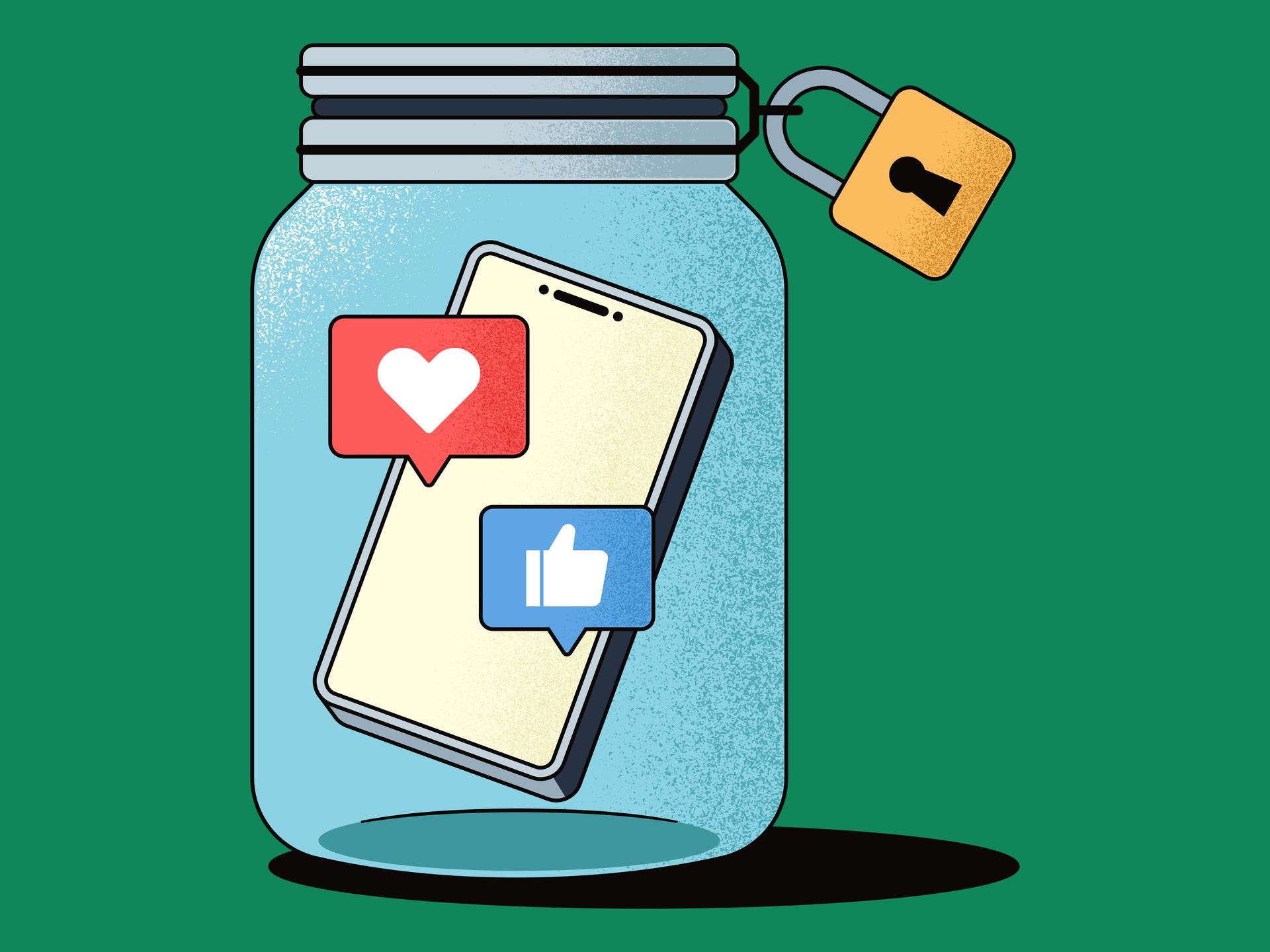
There's a moment when you realize you've checked your phone five times before writing a single email — even though nothing new came in. That's not laziness. It's your brain's reward system quietly reshaping itself.
When you're flooded with tiny, instant hits of stimulation all day, everything slower and more effortful starts to feel harder than it should. The idea of dopamine fasting — developed and popularized by Cameron Sepah, a clinical psychologist at the University of California, San Francisco (UCSF) — is a direct response to exactly this problem.
And here's the key misunderstanding worth clearing up right away: you're not trying to fast from dopamine itself. You're fasting from the behaviors that produce it too easily and too often.
What's actually happening in your brain
Anna Lembke, an addiction specialist at Stanford University, describes it beautifully in her book Dopamine Nation: our brain runs a kind of internal balance between pleasure and pain.
Every time we get a fast, strong hit — a like, a notification, a piece of candy — the scale tips toward pleasure for a moment. Then, to rebalance itself, it slides slightly toward the pain side.
If that happens often enough, the baseline of the whole scale gradually shifts. You need bigger and bigger hits to feel the same spark, while the slower, everyday pleasures — a book, a walk, a challenging piece of work — start to feel flat and unrewarding.
If any of this sounds familiar, you may find it worth exploring how so many of us became hooked on constant reward in daily life.
The first 24 hours: the withdrawal
The point of the method isn't total sensory shutdown. It's pausing the fastest, easiest-to-reach sources of stimulation.
On day one, it's worth stepping away from social media, aimless browsing, videos and series playing in the background, and sugary, processed foods. Not because any of these are inherently bad — but because the sheer volume and frequency is what keeps ratcheting up your stimulation threshold.
In Sepah's original framing, this stretch can feel like the kind of discomfort many people call boredom. In reality, it's your nervous system resetting to a lower, healthier baseline.
This is where most people give up, because the brain does exactly what it does during any withdrawal: it gets restless and starts nudging you to reach for your phone.
But boredom isn't a glitch. It's the one state in which slower, harder-won pleasures finally get a chance to be heard.
The second 24 hours: filling the space
Day two isn't about giving things up anymore. It's about what you fill the gap with — the space those instant hits used to occupy.
This is the stage to lean into slow, active tasks: a longer walk, writing notes by hand, a demanding piece of work that requires real focus, or even a dull chore you've been putting off for weeks.
The trick is that none of these give you instant feedback — yet by the time you finish, they leave a quiet sense of satisfaction behind. It's a completely different feeling from the emptiness that follows an hour of scrolling.
Why hard tasks start to feel enjoyable
The cognitive behavioral approaches Sepah draws on suggest that stepping away from fast stimulation lowers the brain's sensitivity threshold within hours or days. You can read more about what a dopamine detox is and how to know if you need one.
In practice, this means that once you've cleared away the constant noise, a longer, more demanding task — writing a report, having a conversation you've been avoiding, going to the gym — suddenly doesn't feel so off-putting.
The task itself hasn't changed. What shifted is your brain's point of comparison. Compared to a world where nothing exciting is happening around you, even focused work starts to register as a genuinely pleasant stimulus.
A few things worth keeping in mind
- 48 hours isn't magic — it's more of a reset button. The effect only lasts if you stay mindful of your stimulation sources afterward.
- You don't have to quit everything at once. If a full digital fast feels too daunting, start with the easiest habit to drop, like random phone-checking.
- Plan ahead for how you'll fill the time, or your brain will simply drift back to its familiar, easy hits.
- Physical symptoms like restlessness or irritability are normal on day one, and usually ease by the middle of day two.
A lot also depends on how deeply you've wired quick, intense stimulation into your life. If these habits have been part of your daily routine for years, treat the 48 hours as a first step — not a finish line.
Is dopamine fasting really about avoiding dopamine?
No. You're not fasting from dopamine itself, but from the behaviors that deliver it too quickly and too frequently. The goal is to reset your stimulation threshold, not to eliminate pleasure.
How long does a dopamine fast take to work?
The approach described here centers on a 48-hour reset. The first day tends to feel like withdrawal, with symptoms often easing by the middle of the second day.
Why do hard tasks feel easier after a dopamine fast?
Once the constant noise of fast stimulation is removed, your brain's point of comparison shifts. Focused, demanding work no longer feels off-putting — it can even register as a pleasant stimulus.
Do I have to give up everything at once?
Not at all. If a full digital fast feels overwhelming, start with the easiest habit to drop, such as aimless phone-checking, and build from there.