Postpartum depression is still not talked about enough — even though it affects far more women than most of us would ever guess. These are their stories, told in their own words. They are raw, painful, and important.
When the sun went down
I used to dread sunset. As the light faded, I felt this wave of anxiety wash over me — because another night alone with the baby was coming, and I was terrified. Not of anything specific. Of my own child.
She was beautiful and perfect. And I was afraid to be alone with her.
Poisonous thoughts
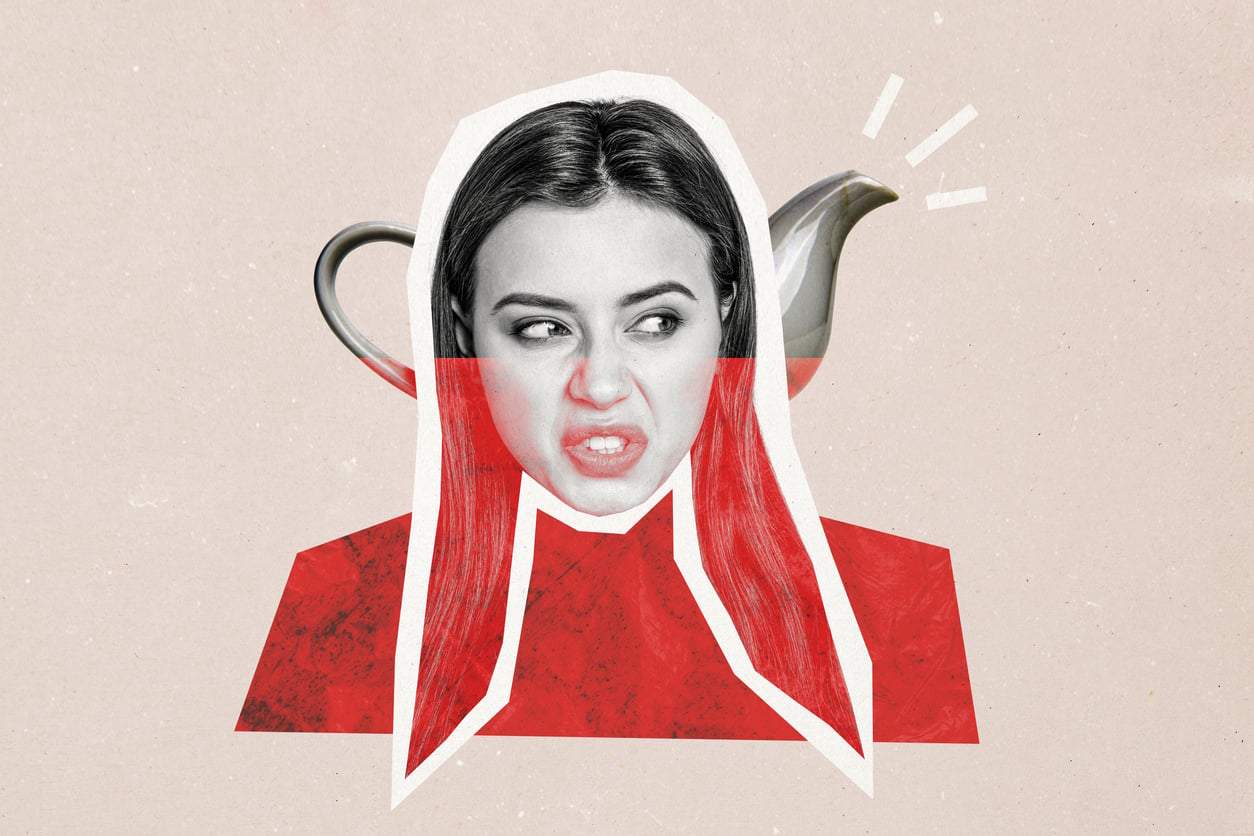
Before my twins were born, I was fun, relaxed, easy-going. Then I gave birth, and suddenly everything and everyone enraged me. I had outbursts like someone who had completely lost their mind — screaming, crying, completely overwhelmed by every sound and sensation.
I became convinced my husband was going to leave me. Who could love someone this broken? I told myself the children would be better off without me — that he'd remarry, they'd have a proper mother, not a worthless wreck like me.
The wrong reaction
I remember watching my husband sit in the armchair, gently rocking the baby. He looked up at me and smiled. And instead of feeling warmth, I felt rage. What is he so happy about? I thought. This whole thing is a living nightmare.
I'm ashamed of those thoughts now. But back then, I simply wasn't myself anymore.
A sea of tears
The first eight months after giving birth are mostly a blur. I can barely remember them. What I do remember is crying — constantly, endlessly. Far more than my baby ever did.
If you recognize yourself in any of these stories, know that you are not alone — and that understanding what's happening is the first step toward getting better.
The photograph
I was certain I had ruined my life — and my husband's. Every day I'd sit sobbing over old photos of the two of us, and I'd look at them and think, blaming the baby: "Look how happy these two people were. You destroyed that. This is your fault. You killed our happiness."
It horrifies me to think about it now. But that's what this condition does — it twists you into someone you don't recognize.
Completely broken
The depression paralyzed me entirely. I stopped eating. I stopped washing. I stopped doing anything — except wanting to die.
I couldn't get out of bed. I couldn't feed my baby. My husband did everything. I remember thinking that if a government could artificially recreate this feeling, it would be the most effective torture device ever invented — because that's exactly what it felt like. Pure hell.
My husband saw how close I was to the edge. He took me to see a professional, and that decision — without any exaggeration — saved my life.
Delayed impact
My birth was traumatic, but I felt like I'd handled it well. I was fine. And then, five days later — crash. It hit me like a wall.
The only way I can describe it is an overwhelming wave of grief, terror, and anxiety — every single minute of every single day. My milk dried up. My strength vanished. I was convinced I was about to die at any moment.
My mother helped me through it, and once I started medication, my hormones finally began to stabilize. But it took years — years — before I stopped feeling crushing guilt. Years before I could say out loud: I am not a bad mother because my baby had formula.
Robbed
I tried to hide it from my husband. I kept pretending everything was fine. Then one day, without any warning, I collapsed onto the kitchen floor and sobbed so hard I couldn't breathe. He didn't know what was happening — he panicked and called his mother.
It was an indescribably dark time. And I'm still angry about it, because postpartum depression stole something from me — the ability to look back on my child's baby years with any kind of joy.
Rage, not sadness
My baby was nine months old when it hit me. Until then, nothing. Then suddenly I felt like a stranger in my own body, in my own life. I had no negative feelings toward my child at all — but I wanted to destroy everyone else around me.
I hated my husband so much I couldn't look at him. I wanted to scream at my mother. My father — who I adore — got on my nerves constantly. I spoke to my friends in a way that left them speechless. One of them, thankfully, recognized what was happening: that rage wasn't me. It was postpartum depression.
Hallucinations
The chronic sleep deprivation eventually pushed me to the point where I was hallucinating, and I had to be hospitalized.
I was so afraid something would happen to my baby that I couldn't bring myself to sleep next to her. Every tiny sound woke me, and then I'd spend twenty minutes watching her breathe, convinced something was wrong. I was too scared to ask for help. But after six months, my body simply gave out.
Postpartum depression is not weakness. It is not bad motherhood. It is a medical condition — and it is treatable. If you or someone you love is struggling, please reach out to a healthcare professional.