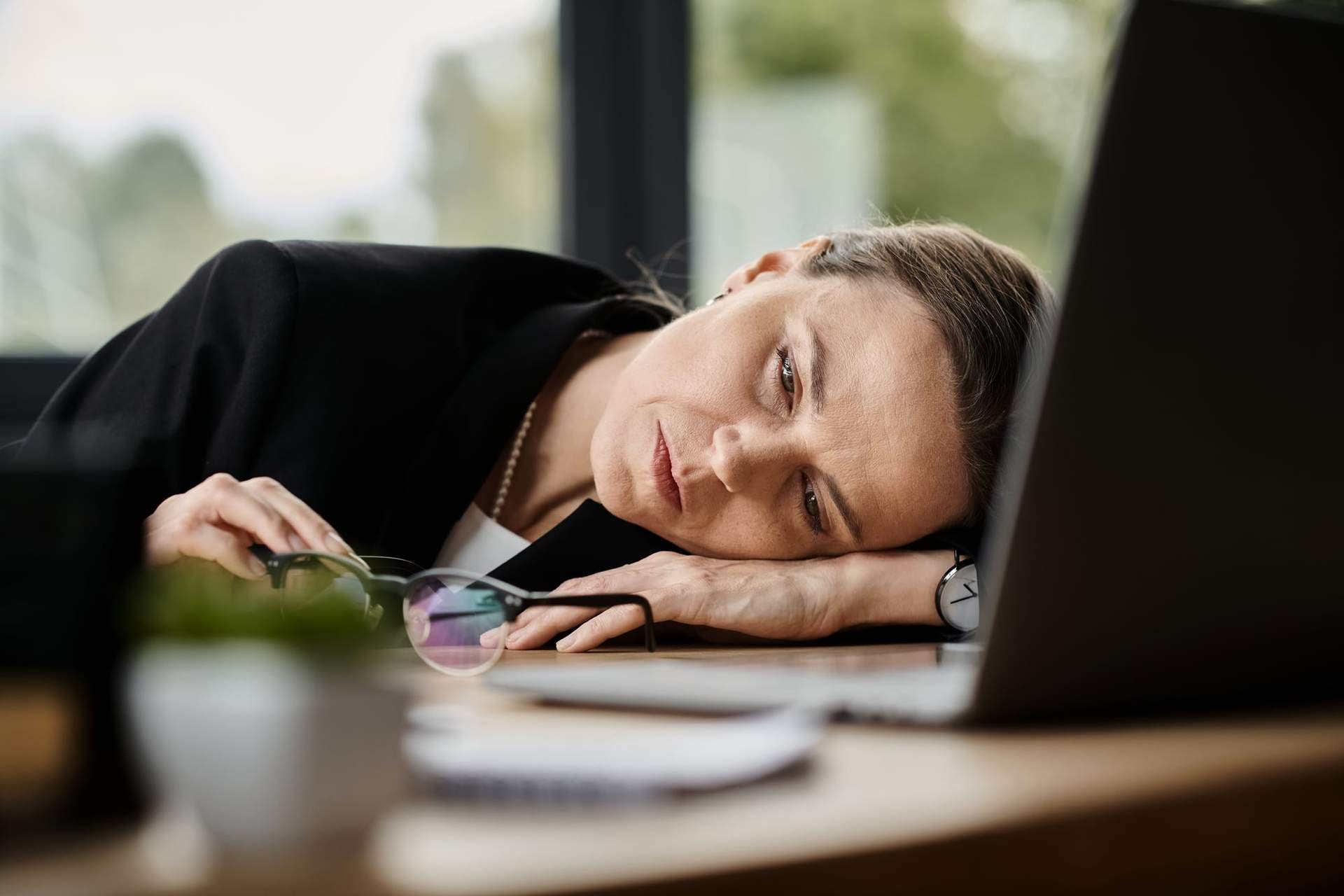
You open TikTok for "just five minutes." Then you blink, and two hours are gone. Your eyes ache, your mood has tanked, and somehow you feel more exhausted than before you picked up your phone. Sound familiar? That's the dopamine loop — and modern social media is expertly engineered to keep you trapped inside it.
But what if there were a simple way to take back control of your own brain and rediscover the kind of deep, lasting satisfaction that no notification can give you? Meet the wellness trend therapists are actually excited about: slow dopamine.
Fast dopamine vs. slow dopamine: what's the difference?
Here's the key thing to understand: dopamine is your brain's reward chemical. It's released whenever you experience something pleasurable or achieve something meaningful. The problem is, your brain doesn't really care where that hit comes from.
Fast dopamine is like junk food for your nervous system. It delivers an instant spike — then disappears, leaving you craving more. Endless scrolling, impulse online shopping, binge-watching, stress snacking — these all flood your brain with quick dopamine bursts that overstimulate your system and send your emotions on a rollercoaster.
Slow dopamine, on the other hand, is the mental equivalent of a nourishing meal. It comes from activities that require effort, patience, and presence. There's no instant hit — but what you get instead is genuine satisfaction, inner calm, and a real sense of accomplishment that actually lasts.
Why therapists love this trend (even though it went viral on TikTok)
Yes, it's a little ironic that a trend about slowing down your social media use is spreading through social media. But mental health professionals say the concept is genuinely valuable.
The core idea is simple: intentionally seek out activities that don't offer instant gratification.
When we constantly chase fast dopamine sources, the receptors in our brain start to burn out. This leads to that all-too-familiar modern feeling where nothing feels enjoyable anymore — you're irritable, unfocused, and emotionally flat. Slow dopamine activities help restore that balance by giving your brain the chance to reset and rebuild its sensitivity to real pleasure.
How to bring slow dopamine into your everyday life
The good news? You don't need to move off-grid or throw your phone into a river. Small, intentional choices are enough to start rewiring your brain.
Choose slower hobbies
Remember what it felt like to be completely absorbed in something that had no screen? That feeling is worth chasing again.
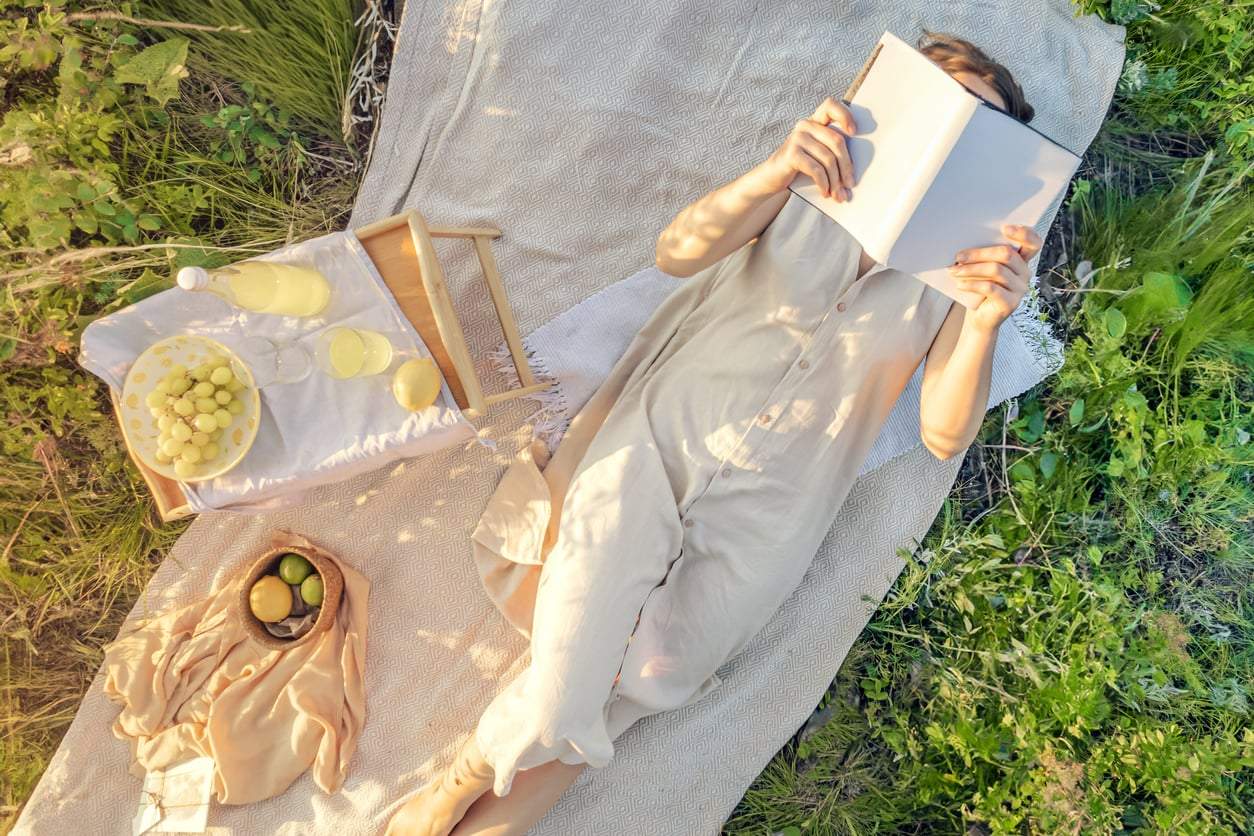
- Reading a physical book: Your brain has to focus and build the story on its own — no autoplay, no algorithm. Pure slow dopamine.
- Making something with your hands: Embroidery, knitting, painting, or even building a complex LEGO set all teach patience and reward sustained attention.
- Gardening: Watching something grow because you cared for it is one of the cleanest slow dopamine experiences there is.
Cook something that takes real effort
Instead of ordering delivery (the classic fast-dopamine move — a few taps and food appears), dedicate a Saturday afternoon to a recipe that demands real preparation. The chopping, the seasoning, the waiting — your brain quietly fills up during all of it. And when you finally sit down to eat something you made from scratch, the satisfaction hits completely differently.
Move mindfully
The gym is great, but for slow dopamine purposes, a walk in nature, a yoga session, or time spent gardening goes even further. No headphones, no notifications — just you and the movement. Let your mind wander without giving it somewhere to scroll.
Delay the reward
Psychologists call this delayed gratification, and it's one of the most powerful tools you have. See something you want to buy online? Don't click purchase immediately. Wait three days. If you still want it, go ahead — but in the meantime, your brain learns to draw energy from anticipation and intention rather than impulse.
The slow dopamine challenge: start small
You don't need to quit your phone cold turkey. Experts suggest starting with just 15 to 20 minutes of intentional slowing down each day. Here are three easy entry points:
- Put your phone down during breakfast. Just taste your food. That's it.
- Next time you're waiting in a queue, resist the urge to reach for your phone. Look around. Notice things.
- Try one "analog evening" per week — books, board games, or a real conversation. No screens allowed.
This isn't a restrictive detox plan or a list of things you're no longer allowed to enjoy. It's an invitation to a richer life. When you trade empty, instant stimulation for slower, deeper experiences, you get something genuinely valuable back: your mental freedom. You stop being a prisoner of your own feed, and you start finding real joy in the small, quiet moments that actually make up a life.
When did you last feel that deep, quiet satisfaction that had nothing to do with likes or notifications? Maybe tonight is the night you put down the phone and pick up that book you've been meaning to finish.