Opinion piece: Borka Schuster
Nobody wakes up one morning and simply decides they're good at being alone now. It didn't work that way for me either.
For me it was a slow process — sometimes uncomfortable, sometimes freeing — and in my twenties it felt far more like running away than choosing something. Back then, solitude was always a temporary state. Something that came before a relationship, before a night out with friends, or after a breakup. Never a thing that stood on its own.
And above all: never something I actually wanted to sit with.
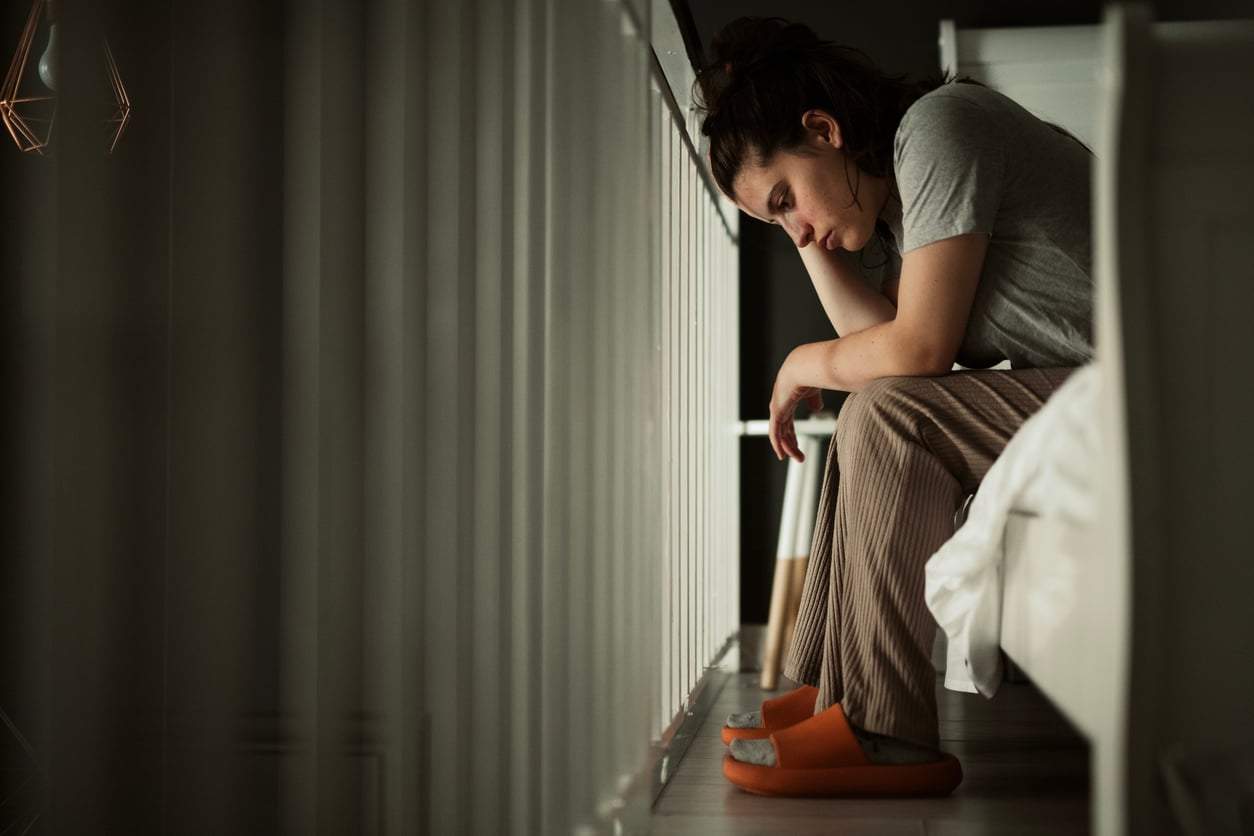
In my twenties, being alone carried a strange weight. If I stayed home on a Friday night, part of me felt the need to explain it — even to myself. An empty evening wasn't rest; it was absence.
If there was no one beside me, it automatically triggered a spiral of questions: why not, when will there be, what am I doing wrong.
Somewhere at the start of my thirties, all of this began to shift — but of course not by magic. It was the result of conscious effort.
I reframed what being alone meant
More and more often I stayed home without that nagging sense of missing out, because I had made a deliberate choice: being alone was good for me. And I didn't spend that time doomscrolling on my phone. I tried to do something that actually felt good — drawing, cooking, listening to music, or running myself a little spa night.
Slowly, the urge to fill up my calendar faded. I started to notice something: there are evenings when nothing special happens, and I'm still perfectly fine.
That was the first crack in the old pattern.
Then came another realization: not every moment alone is loneliness.
It might sound obvious, but for a long time I genuinely didn't understand the difference between the two. These days I'd put it like this:
Loneliness is born from absence. Solitude is born from presence.
When I was lonely, something was always missing
Attention, connection, feedback, touch, conversation. But once I learned how to be alone, none of those things disappeared from my life — they simply stopped being a constant dependency.
I began to notice how much I actually enjoy doing on my own. Walking without needing to talk. Cooking without a parallel life running in the background. Reading without my thoughts being interrupted. Or just sitting in my apartment without immediately switching something on for background noise.
I also started to learn that my own company isn't a "substitute" for anything.
And with that, the inner tension that used to follow me around slowly eased — the constant question of whether I was enough on my own. Interesting enough, lovable enough, good enough company.
That shift is freeing. But maybe even more importantly, it taught me not to build my relationships out of a place of lack either.
I'm not with someone because I can't stand being alone. I'm with them because being with them is good, too. That's an entirely different quality of connection.
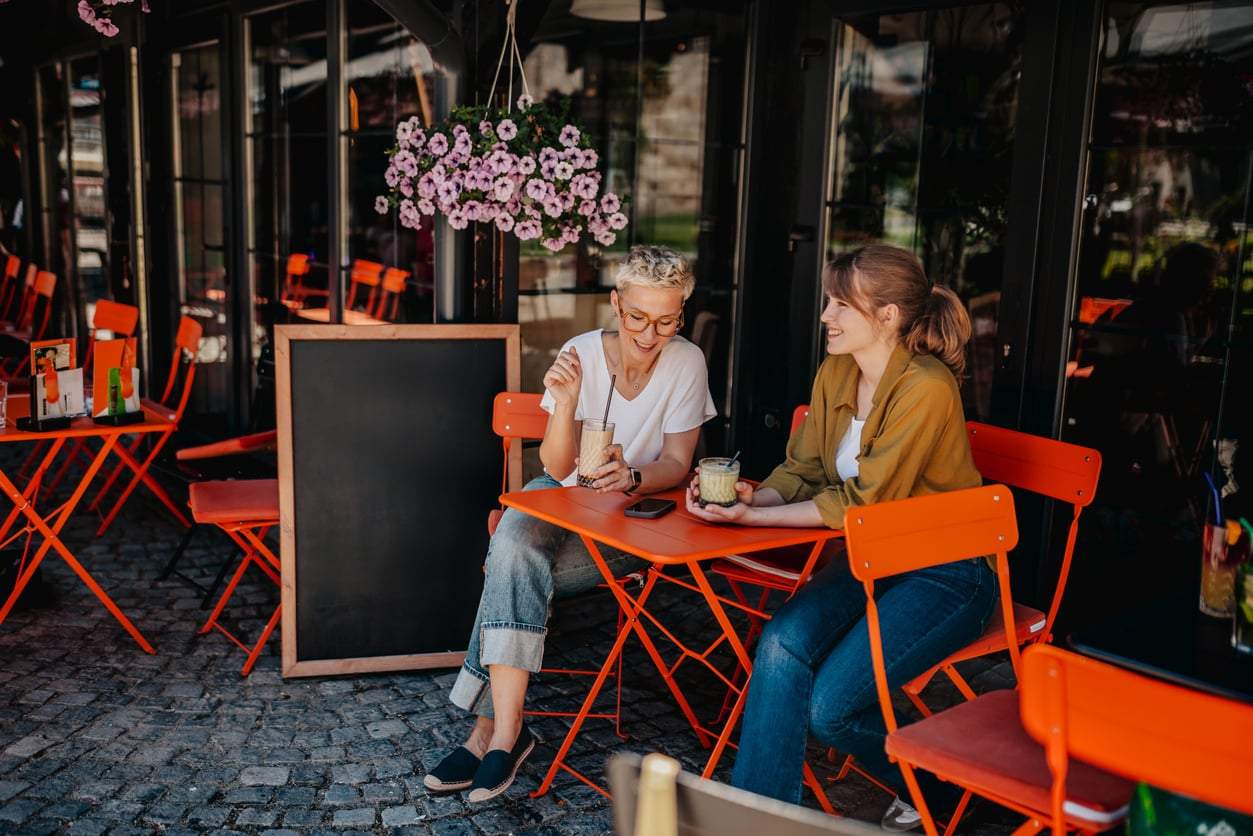
And strangely enough, learning to be alone didn't push me away from other people — it brought me closer to them. Because I'm no longer clinging or filling a void. I'm simply connecting.
And all the while, I know that I'm okay even when I'm home by myself on a quiet evening.
What's the difference between loneliness and solitude?
As the article puts it, loneliness comes from a sense of absence, while solitude comes from presence. One feels like something is missing; the other feels like a full, chosen moment with yourself.
Why is learning to be alone so hard in your twenties?
In my twenties, being alone carried a strange weight — an empty evening felt like a lack rather than rest, and it triggered anxious questions about what I might be doing wrong.
Does enjoying solitude push you away from other people?
In my experience, the opposite is true. Once I stopped clinging to others to fill a void, I could connect from a genuine place rather than from need — which brought me closer to people, not further away.
How did I start getting comfortable being alone?
I began choosing time on my own on purpose and using it for things that felt good — drawing, cooking, music, a quiet spa night — instead of scrolling. Over time I noticed I was fine even when nothing special happened.