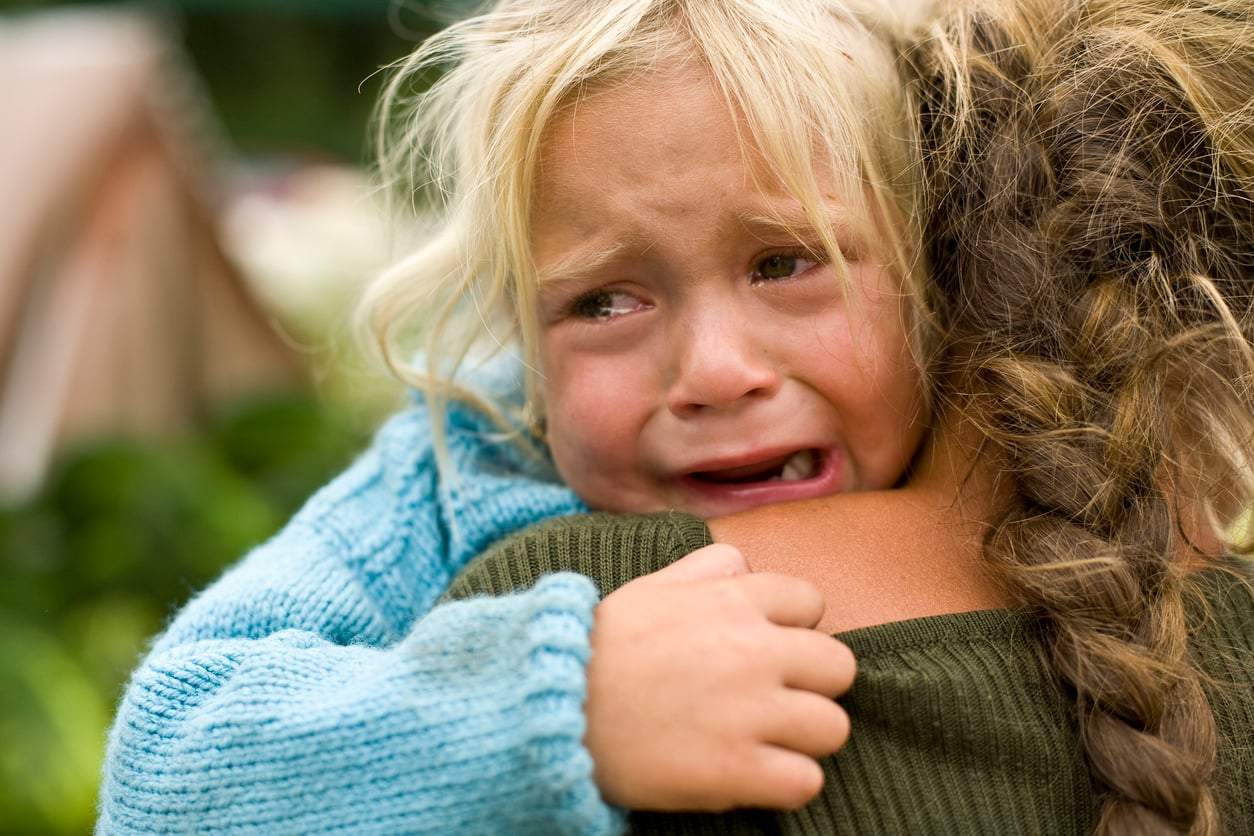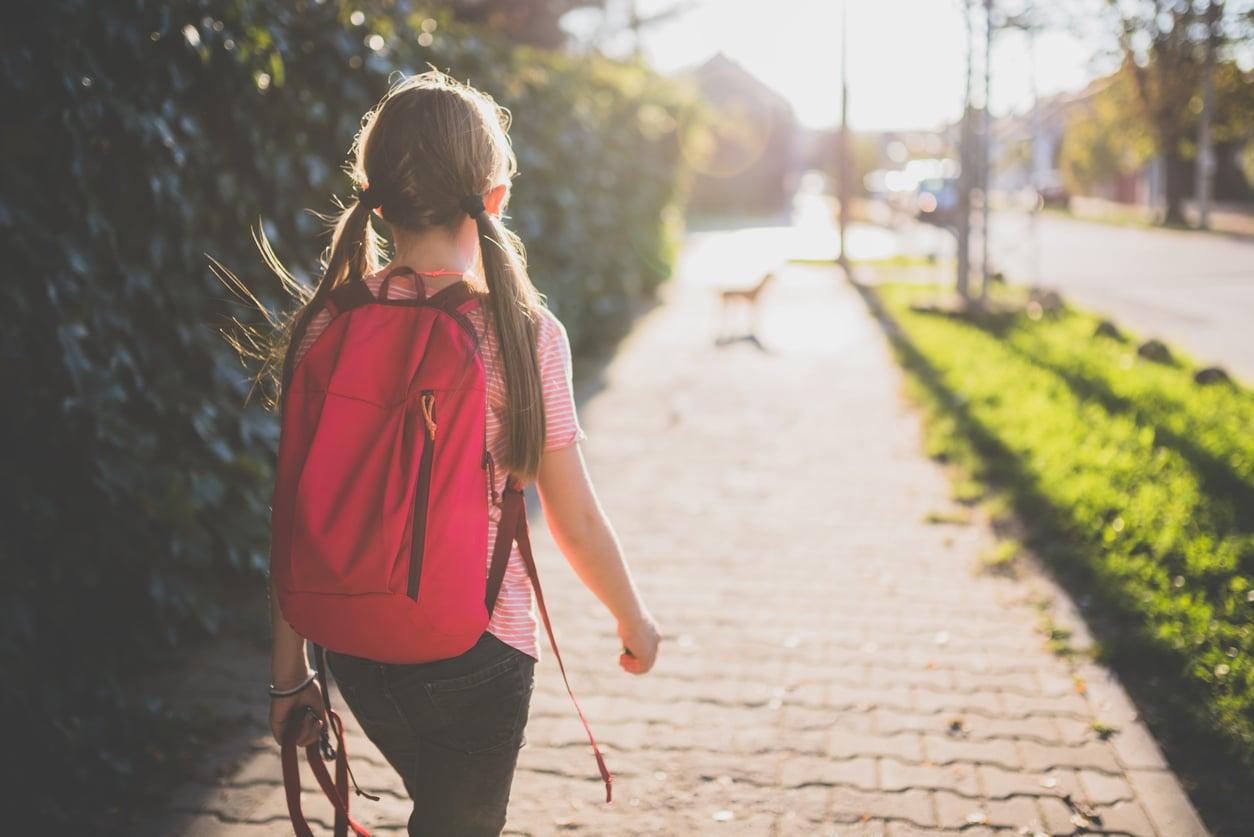
But did the world actually get more dangerous — or did we, as parents, simply start hovering too much?
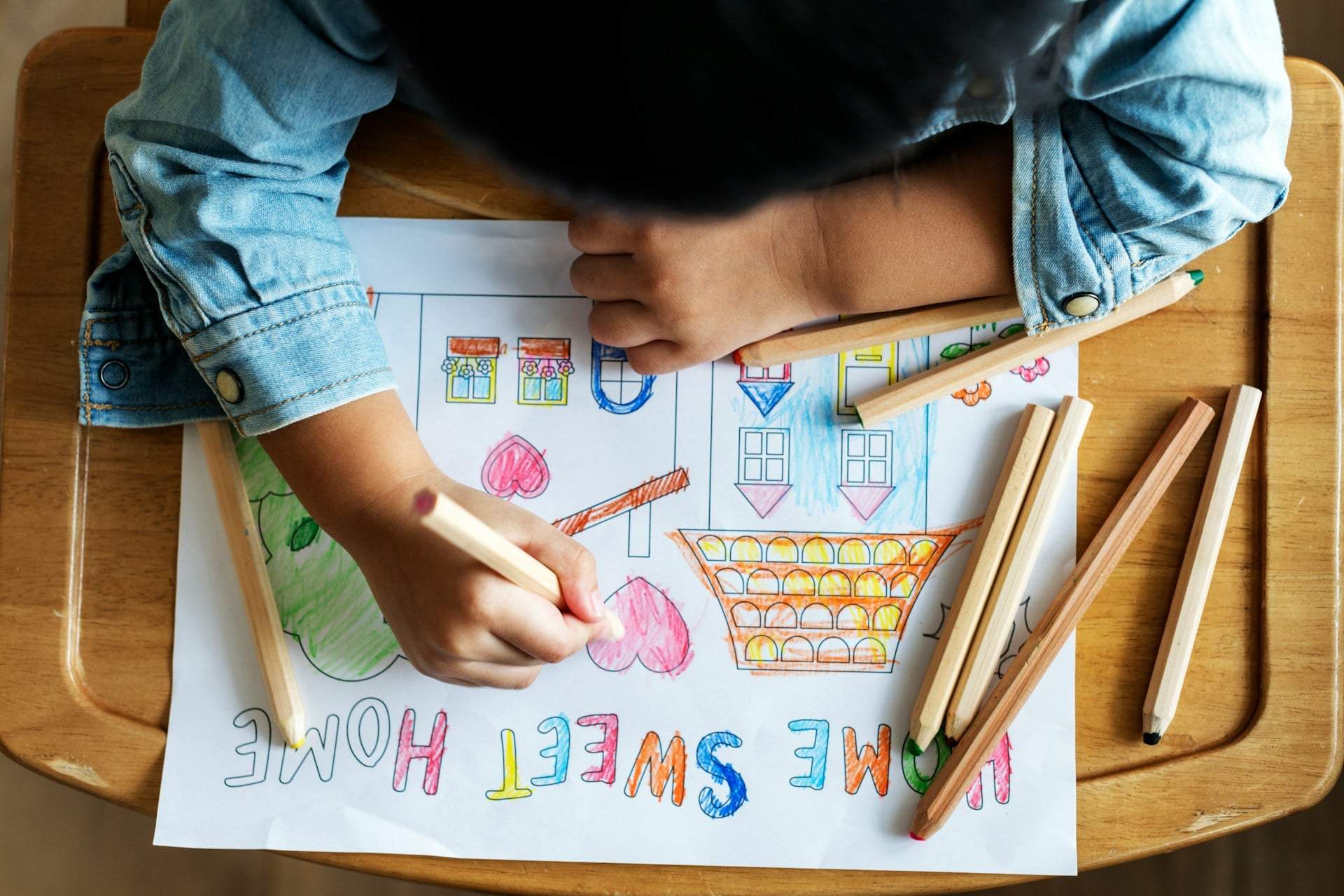
I let myself into the house after school with my own key. I heated up lunch, finished my homework, then walked over to my grandmother's place, where I played with the girl next door until dark. On days when I had practice or an after-school club, I packed my own things, went, came home, counted out the fee myself, and paid it.
My parents didn't pile chores on me — life was just set up so that I focused on everyday tasks and taking care of myself. But no one ever knew, minute by minute, where I was. There was no smartphone in my pocket to track my location. I simply lived my little life, the same way my parents lived theirs.
Now, when I look at my 10-year-old daughter, I see a completely different world. She just finished third grade, and this past year she started walking to school on her own more and more. It was a huge deal for her — and yet she got tired of it fast. She'd rather have the comfort of us driving her. She can make that choice, because she has one. I never did.
She'll also walk to her grandparents' or a friend's house alone, but only because we live in a very safe, quiet neighborhood. Even so, I already tense up thinking about middle school, when she'll have to cross a busy road with no crosswalk on her way there — a road where speeding cars and accidents are far from rare.
And here's the strange part. I know how responsible she is, yet somehow I can't relate to the outside world the way our parents did. Maybe it's because at her age — thanks to all that independence — I'd already ended up in the ER about four times. She hasn't been once.
We didn't even know what a bike helmet was; she puts hers on by herself the moment the bike comes out. We used to dare each other to run across intersections where we were supposed to yield — she's the one reminding me, "Do you see it? There's a car coming."
Did the world really get more dangerous — or did we start overprotecting?
I think the truth sits somewhere in the middle. Street life may not have gotten worse — at least not in our neighborhood — but we now hear about every accident and every danger instantly, even ones on the other side of the planet. All of it keeps a parent's nervous system on permanent high alert.
At the same time, our early independence often wasn't about deliberately building competence. It was growing up too soon out of necessity — what psychologists call parentification. We were simply forced to figure things out, and as adults we often pay for it with real anxiety and buried trauma. No wonder we don't want to hand that same weight to our own kids.
I'm trying to find a healthy balance, and I'd honestly dare to give my daughter more freedom now. But there's a twist in our story.
She's the one who won't stay alone for even 10 minutes
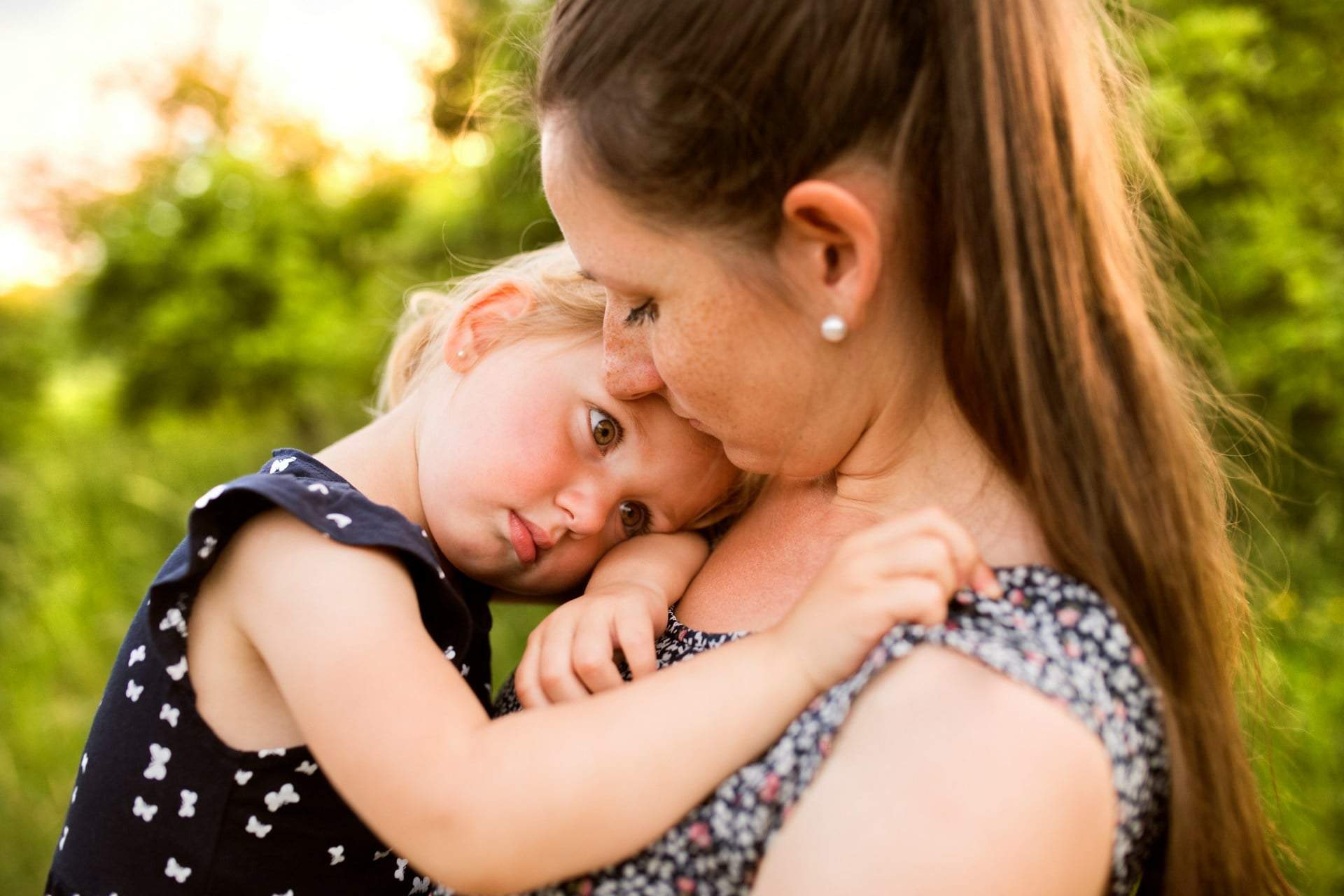
Recently, when I was driving her dad to physical therapy every day after surgery, my daughter was home sick with a fever. She felt awful, but when it was time to leave, she got dressed and climbed into the back seat instead. No matter how many times I explained it would only take three or four minutes and I'd turn right back around, she simply couldn't stay in the apartment alone.
Of course I'm not going to force it — there's clearly a reason for the block. She says she's afraid something will happen to both of us at the same time, and then no one will come for her. Honestly, I have no idea where such a deep fear comes from. We always stuck to what we agreed on, never stayed away longer than usual when her grandparents watched her, and even in her baby years we were especially responsive parents.
The generational differences seem to form a strange loop
We grew into forced freedom and early responsibility — and we often foot the emotional bill as adults. Our children, on the other hand, are growing up in a world where safety has become the highest currency, and where the constant flood of information has made kids themselves far more aware of danger — and, as a result, more anxious. They already see and hear that the world is unpredictable, and they respond in their own way.
When 10 minutes alone is too much for my daughter, it isn't a lack of independence or resourcefulness. That fear is something harder to pin down: a deep attachment to a safe home base in a world that feels fundamentally uncertain. She isn't afraid of the tasks. She's afraid the safety net will disappear.
And as a parent, my most important job right now is not to rush her — and not to force my old patterns onto her. I don't need to turn her into a reluctant little survival expert. I have to wait until she builds that inner sense of security at her own pace, until she can close the apartment door behind her without fear, knowing the warmth of home won't vanish just because she's alone in it.
Why won't my child stay home alone?
Often it isn't about a lack of independence at all. For many kids it's a deep attachment to a safe home base in a world that feels uncertain — a fear the safety net might disappear, not a fear of the tasks themselves.
Did childhood really become safer than it used to be?
In many ways, everyday street life may not have gotten worse. What changed is that we now hear about every danger and accident instantly, which keeps parents — and children — in a state of constant alertness.
What is parentification?
It's growing up too soon out of necessity, being forced to handle adult responsibilities as a child. It can look like early independence, but people often pay for it later with anxiety and buried trauma.
How should I respond if my child is this anxious about being alone?
The most helpful approach is not to rush them or force old patterns onto them. Give them time to build an inner sense of security at their own pace, so they eventually feel safe on their own.