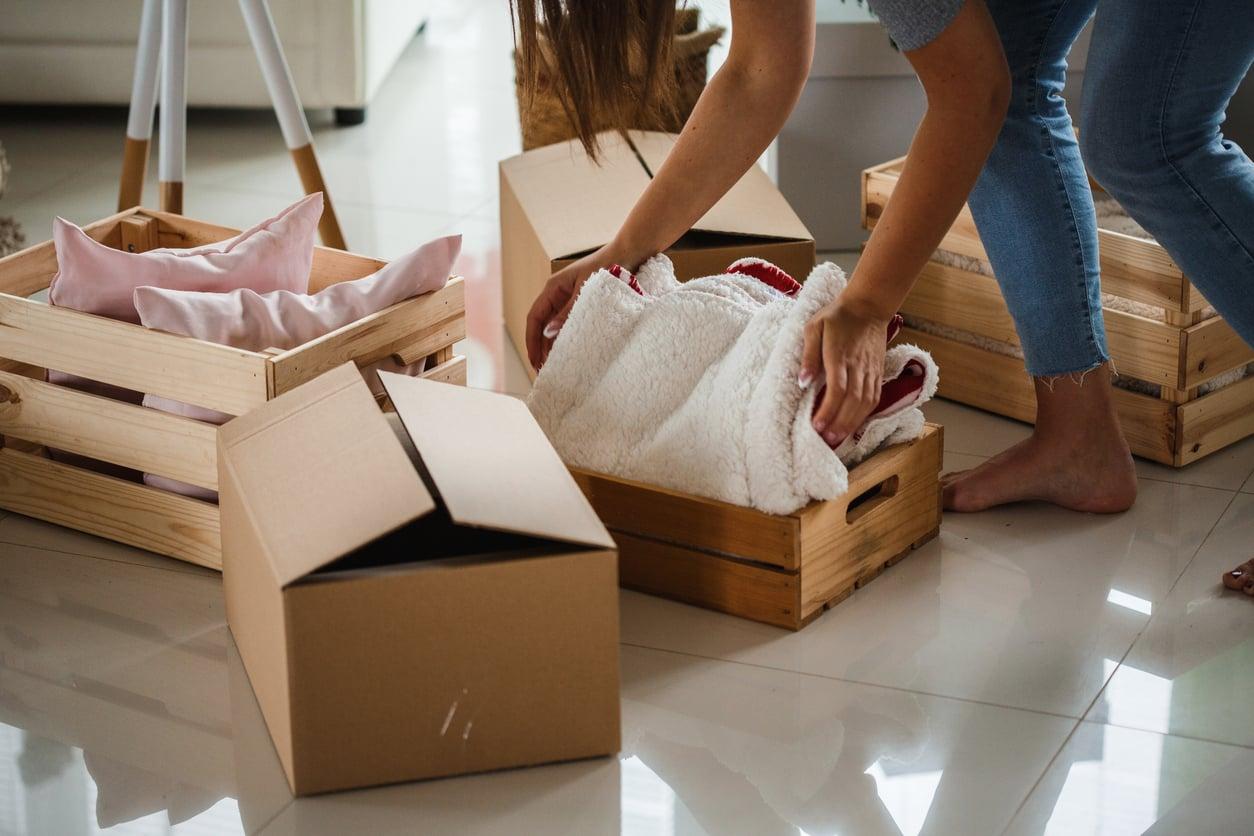
Every winter I put off the big clear-out. Instead, I haul everything down to the basement with the same cheerful promise: I'll sort it in spring. Spring quietly becomes summer. Summer becomes "before the school year starts." And somehow the boxes never move.
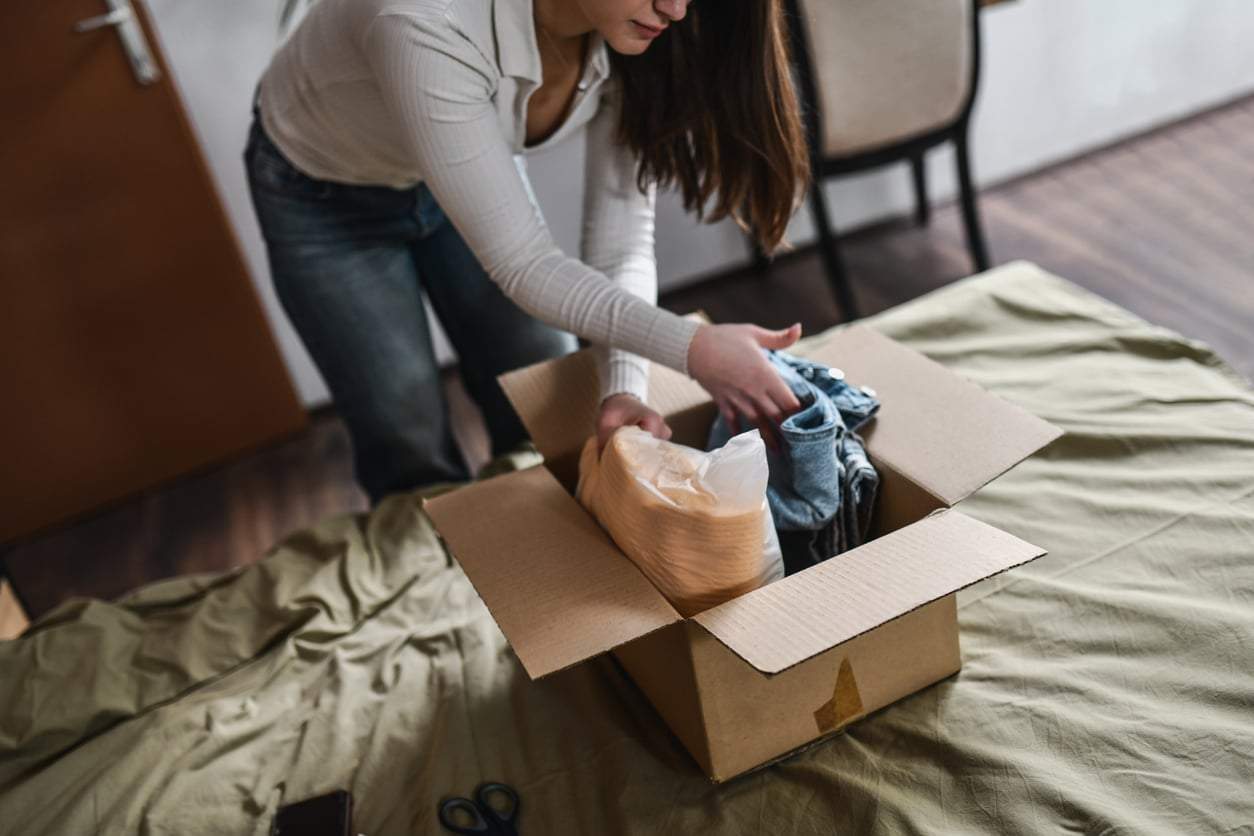
It got even easier to procrastinate once our town opened its own waste yard. Now I don't even have to wait for the fixed bulk-waste collection day. My once-a-year "project" has slid, almost unnoticed, into late summer.
But here's the thing. We can keep pushing the date all we like — the real reason we procrastinate has nothing to do with logistics. It goes much deeper, all the way down to how we bond with our belongings in the first place.
When your own stuff suddenly turns to gold
Behavioral economics has long recognized a phenomenon called the endowment effect, and it perfectly explains why your hands freeze mid-declutter. The moment something becomes yours, you instantly see it as more valuable than it actually is.
A stranger's worn-out coat on a thrift-store rack leaves you cold. But your own coat — the one you haven't touched in ten years — suddenly feels precious, and the thought of parting with it can cause almost physical pain.
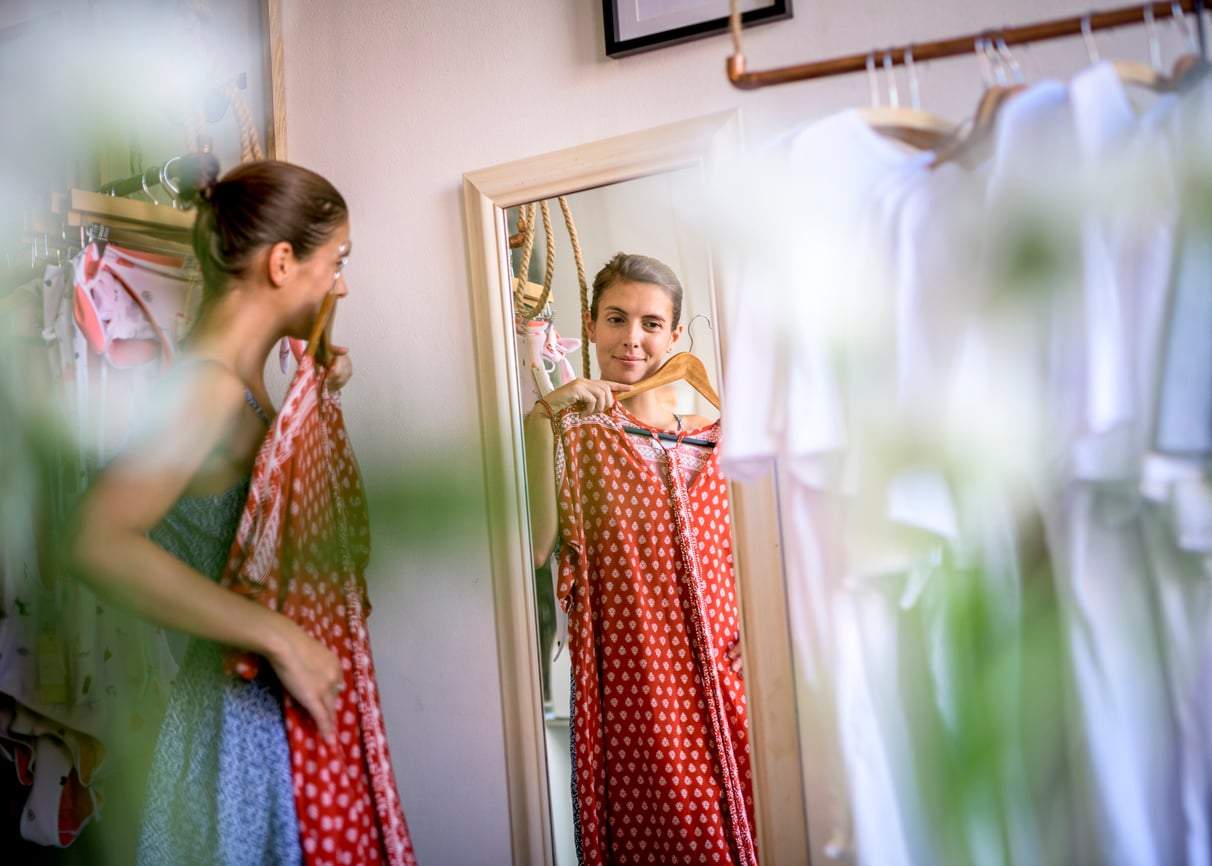
I'm usually a pretty easy declutterer. My weak spots are the hoarded jam jars and the surplus flowerpots. Clothes and kids' toys, though, I sort ruthlessly — no unnecessary sentiment, and none of that nagging feeling that "it might come in handy someday."
Sure, now and then an old trend comes back around and I think, "what a shame I threw out that pair of trousers." Then I quickly remember that even last year's trousers don't fit the way they did in my memory — and I just as quickly convince myself I made the right call letting them go.
We often hang on to broken or useless things because we believe we're doing our future self a favor.
We're saving it for that imaginary, perfect version of ourselves — the one who will absolutely fix that bike someday, or slim back into those jeans. That's part of why letting go of an object is so hard: it means admitting that the cherished future we pictured probably isn't going to happen.
When a piece of your soul is hiding behind the object
The hardest situation, though, is when objects aren't really made of fabric or plastic at all — when they become deep emotional anchors that stand in for memories, closed chapters of life, or the people we've loved. We feel that if we throw the object away, the memory goes with it. Of course, the two aren't the same thing.
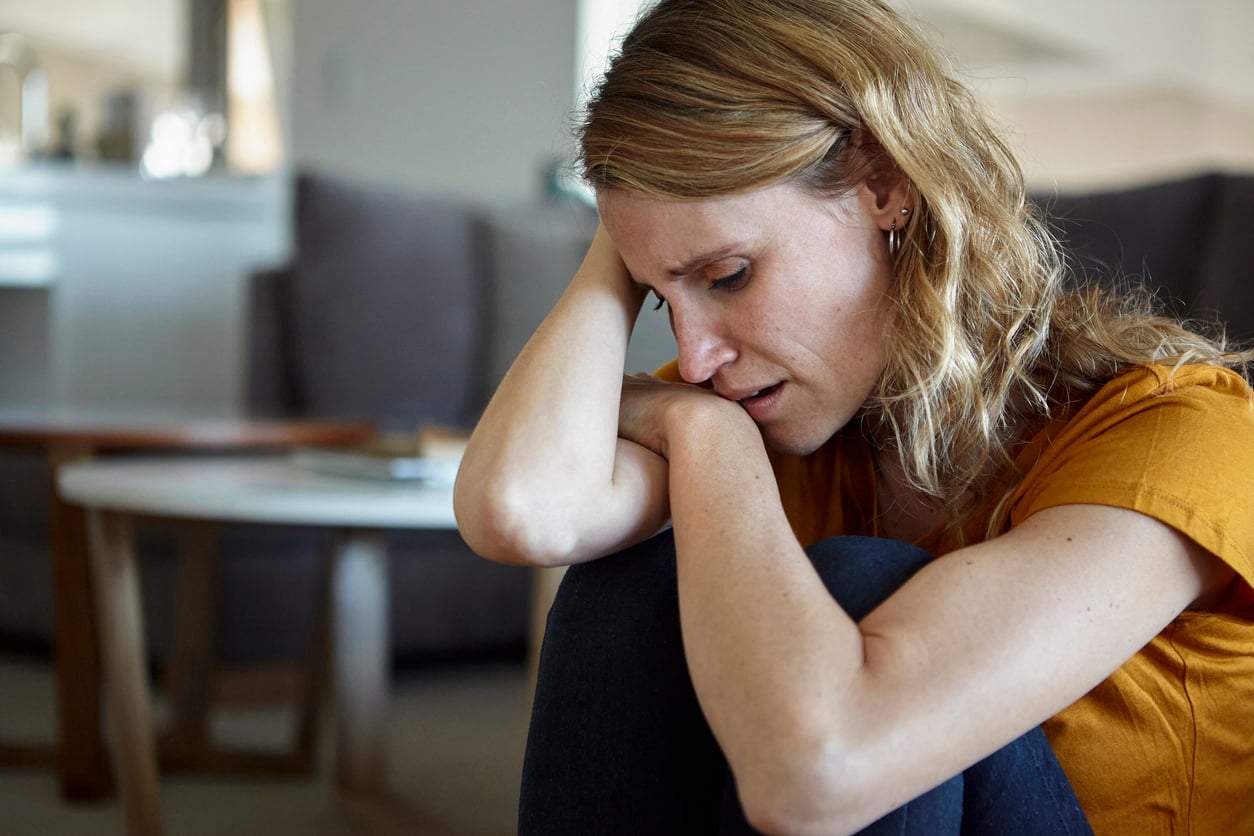
I had to learn this the hard way. Last autumn, to our family's enormous heartbreak, we had to say goodbye to our little dog. It broke me emotionally and physically: I was bedridden for months with an illness that, in a grim way, at least had one "upside" — even if I'd wanted to, I couldn't have put his things away.
It took nine months before I could bring myself to carry his everyday belongings — his food container and his bowl — from under the sink down to the basement. I still hate opening that cupboard.
Then the other day I went down to the basement to see what needed hauling away: whether I'd collected enough toys to donate to the preschool, and how many jars I had left for the apricot jam. And there it was. That box. Full of his blankets, his carrier, his medicine.
Standing there, I finally understood in my bones what I'd only known in theory: sometimes holding on to things is our last handhold on what we can no longer reach in this life. That's why some people can't part with their memories. And it's why I can't (yet) say yes to dropping that box off at a shelter.
How to get through the hard part without breaking down
First, it helps to change the question you ask while you sort. Don't ask yourself, "could this still be useful someday" — because our own creativity almost guarantees the answer is yes. Instead, ask: "have I used this in the past year?" or "would I buy it again in the store today?"
If an object's only value is sentimental and it no longer serves any real purpose, try the photo trick. Take a picture of it. The photo preserves the memory perfectly, while the object itself can go to someone who'll actually use it. For the more practical calls, just weigh it up: if this cheap, easily replaceable little thing did turn out to be needed again years from now, is that really worth tiptoeing around it for years?
Decluttering, in the end, is never really about loss — it's much more about making room. When we manage to release the unnecessary leftovers of the past — a bad purchase or a pointlessly hoarded knick-knack — our shelves, and our daily lives, get to breathe a little.
And yet, standing over that box in the basement, I also realized you don't have to force everything. Some things simply aren't ready to go, and that's completely okay. A broken camping chair or a pile of empty jam jars we toss out without a second thought — but the memories dear to our hearts need time to process and release. Whether that's nine months, or a whole lot longer.
Why is it so hard to throw things away?
Because of the endowment effect: the moment something becomes ours, we instantly see it as more valuable than it really is. On top of that, some objects turn into emotional anchors tied to memories or loved ones, which makes letting go feel like a genuine loss.
What questions should I ask myself while decluttering?
Skip "could this be useful someday," since the answer is almost always yes. Instead ask, "have I used this in the past year?" or "would I buy it again in the store today?" These cut through the excuses.
What can I do with items that only have sentimental value?
Try the photo trick: take a picture so the memory is preserved, then pass the object on to someone who can actually use it. The memory stays with you even when the object doesn't.
Is it okay if I'm not ready to let something go?
Absolutely. Some things simply aren't ready to leave yet, and that's completely fine. Practical clutter can go without a second thought, but emotionally charged belongings need time — sometimes a lot of it.