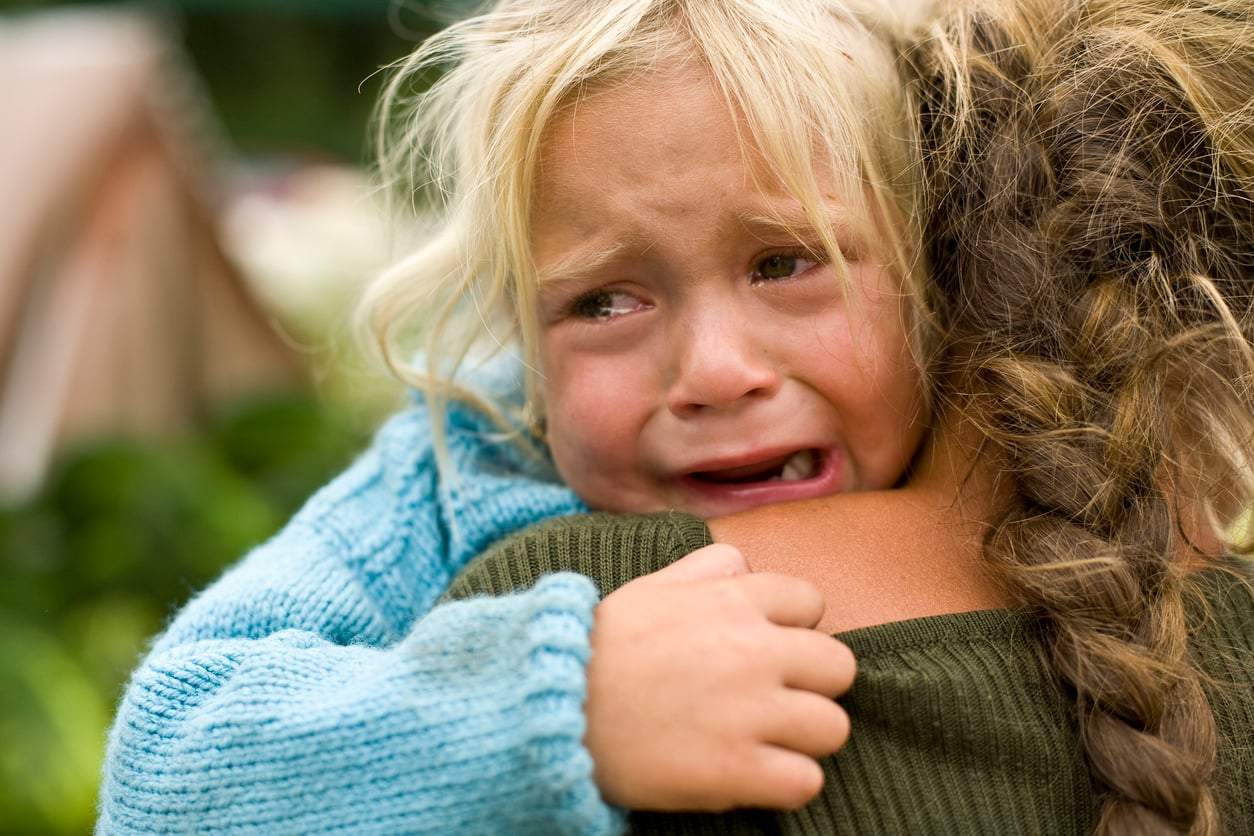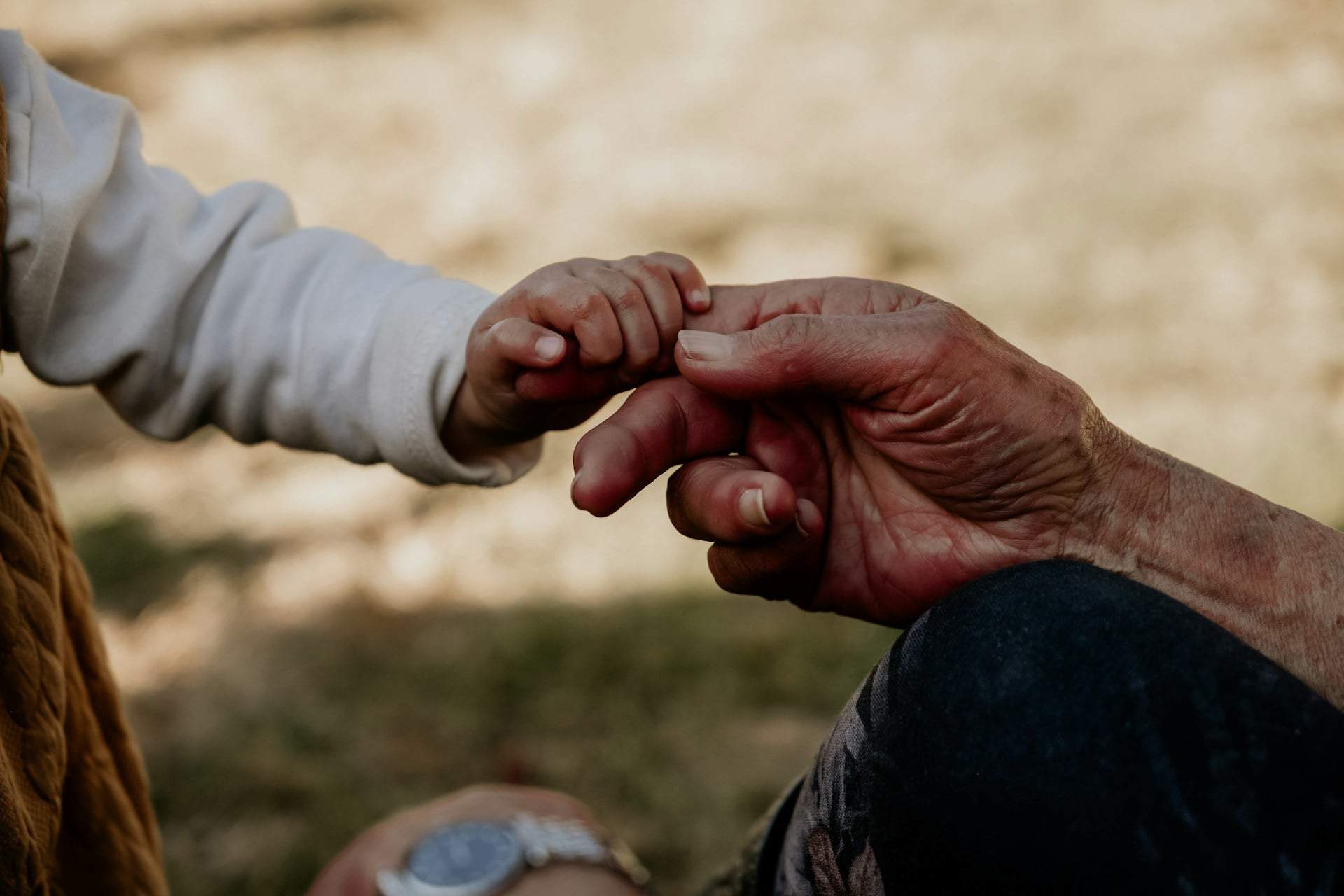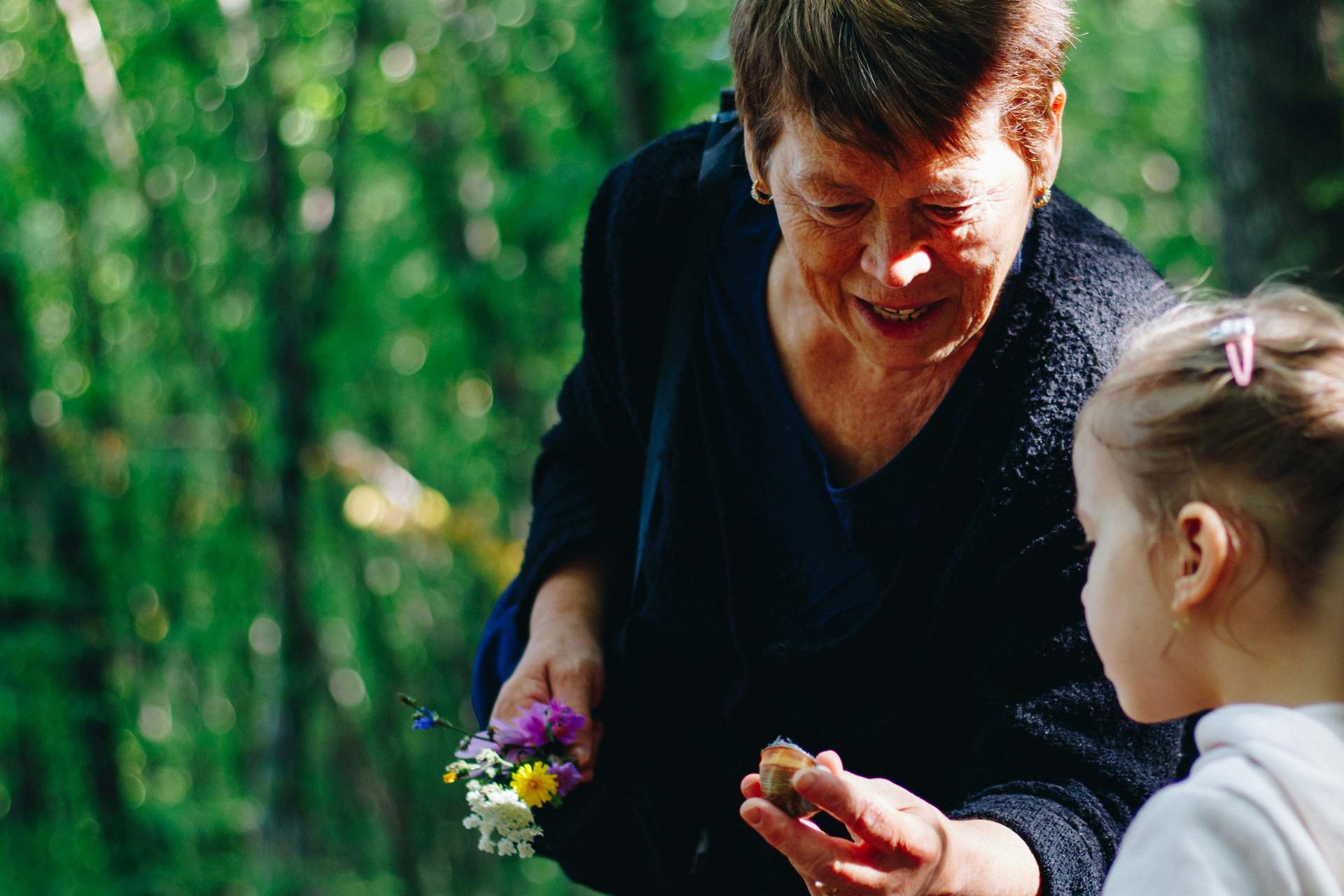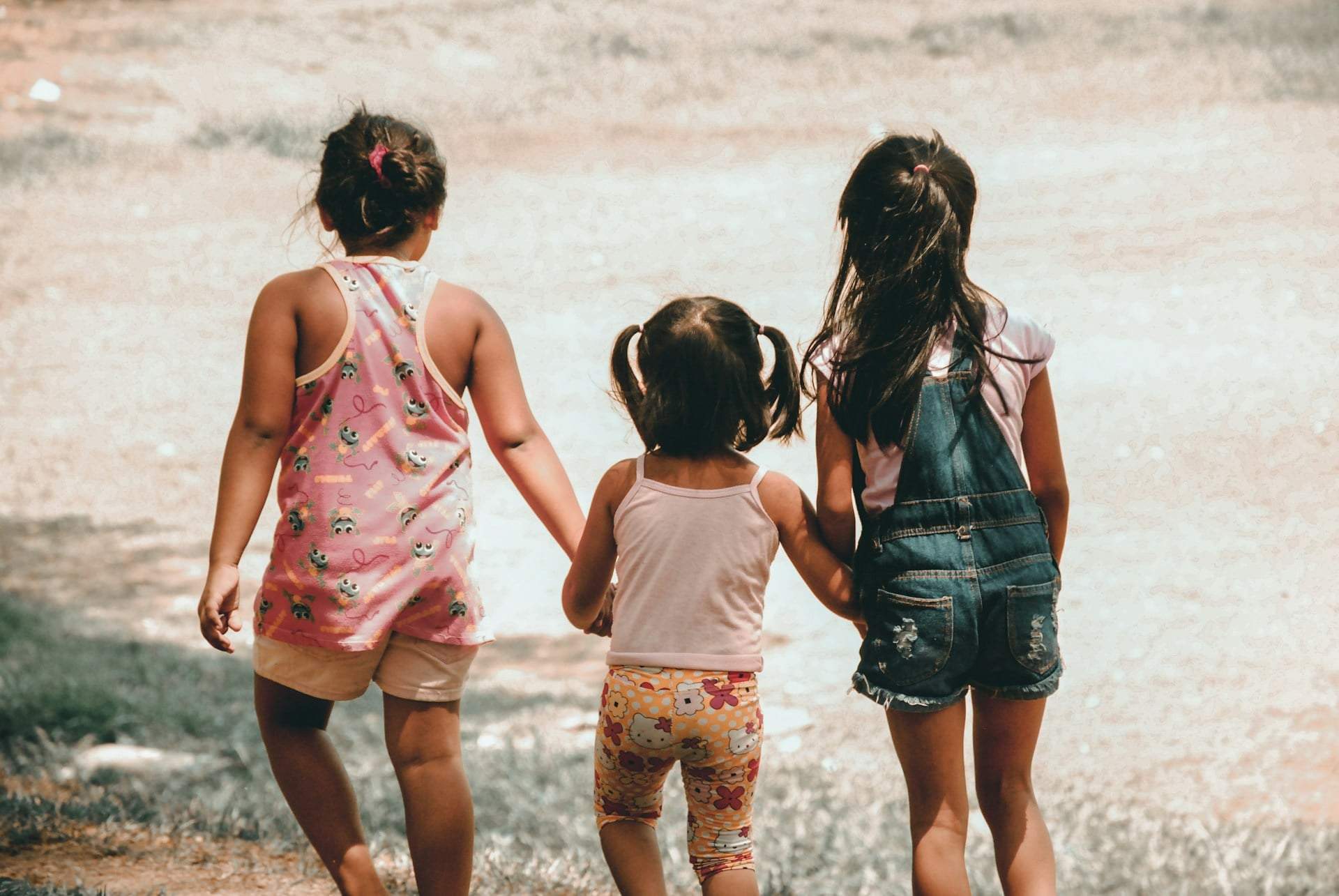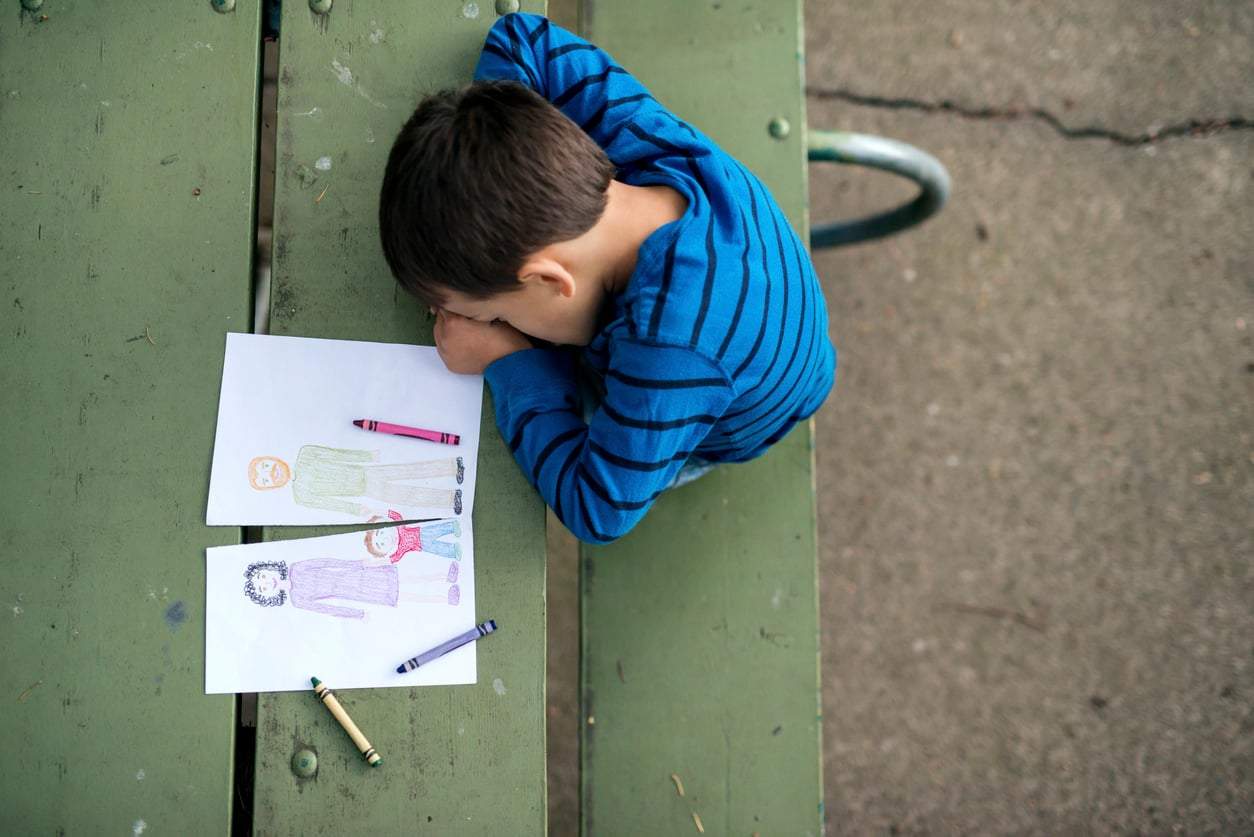
Most families have a story they never tell straight. In mine it was the way one cousin's drawings went on the fridge and mine went into a drawer. Nobody was cruel. Nobody said anything out loud. But children are exquisite readers of small things — who gets the first hug, whose news gets the follow-up question, whose name gets said with a particular softness — and by seven or eight I understood my place in the order without ever being told.
Plenty of women carry this quietly into midlife. Not a trauma, exactly. More a low hum that surfaces at family gatherings, at funerals, when a will is read, or when your own child is fussed over less than their cousin and something in your chest goes tight for reasons that have nothing to do with today.
Why grandparents have favourites (and why it usually isn't about you)
Favouritism between grandchildren is rarely a judgment on the child's worth, though it lands that way. It is usually made of ordinary things. Temperament fit: an outgoing, cuddly child is simply easier for some adults than a watchful, reserved one. Proximity: the grandchild who lives ten minutes away accumulates hundreds of small shared moments the one two hours away never gets. Timing: a grandparent who was in good health and had free hours for the first grandchild may have been tired, widowed or unwell by the time you arrived.
And then there is the inheritance nobody names — the grandparent's relationship with your own parent. If there was friction with your mother, you may have been loved through a filter. Understanding this does not undo the childhood feeling, but it does loosen the conclusion a child draws, which is always some version of "there was something about me".
Name it accurately, and stop auditioning
The most useful thing you can do as an adult is to describe what happened in plain, unexaggerated language. Not "I was rejected", not "it didn't matter" — something truer, like "I was loved, but I wasn't the one she lit up for, and I noticed." Precision is what turns a vague ache into something you can actually put down.
Then watch for the adult habit it built. Many women who grew up as the un-chosen grandchild become tireless earners of affection: the one who organises the visits, remembers every birthday, brings the good cake, drives everyone to appointments. It looks like devotion and often is, but underneath there can be an audition that never ends. You are allowed to keep the kindness and drop the campaign. Visit because you want to, not to finally tip the scales.
Talking to family without demanding a confession
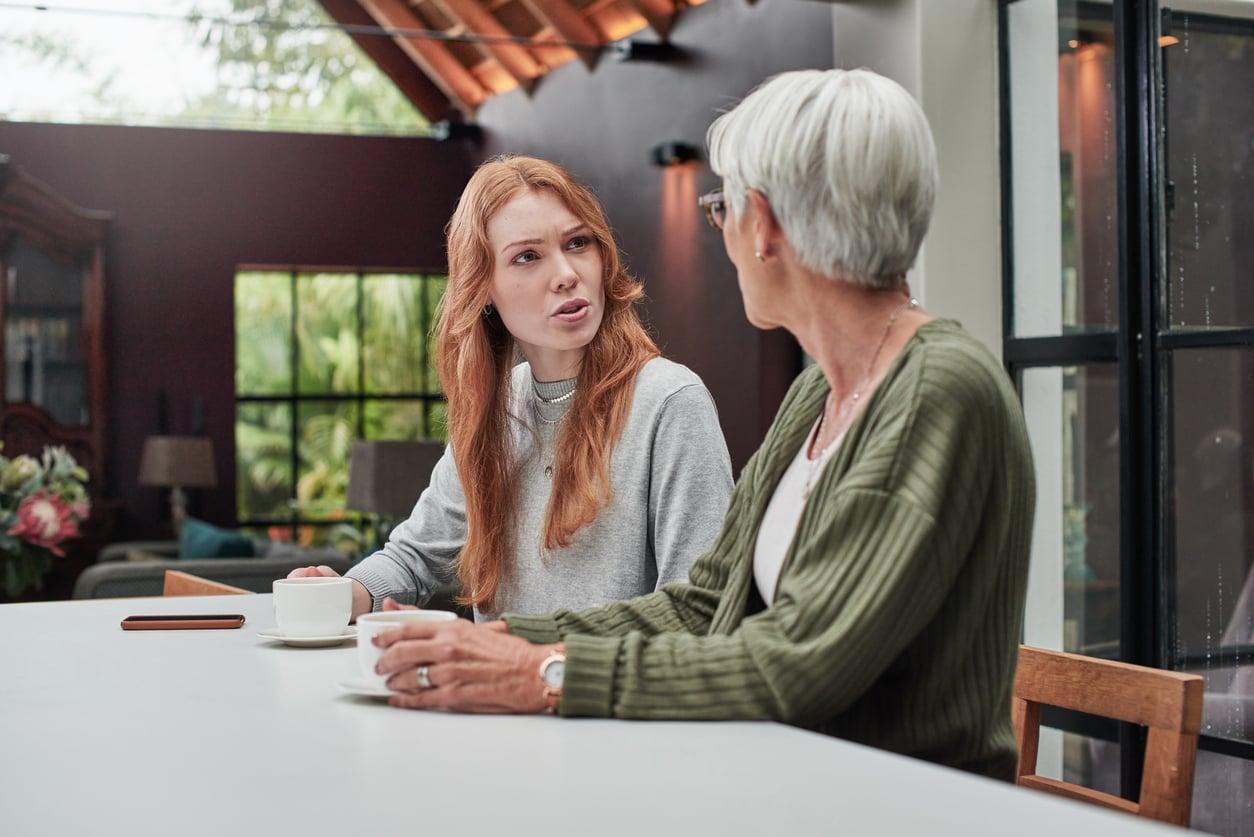
If your grandparent is still alive, resist the fantasy of the admission scene. Very few people of that generation will say "yes, I preferred your cousin", and pressing for it usually produces defensiveness that hurts more than the silence did. What you can do is ask for something present-tense and small: a phone call that is just the two of you, a question about her own childhood, one afternoon that belongs to you alone.
Your parent may be the better conversation. "Did you notice it too?" is a gentler opening than an accusation, and siblings or cousins are often quietly relieved to hear it said. Sometimes the favoured cousin carries her own version of the burden — the pressure of being the golden one, the guilt of having had more. If any of this stirs up grief or resentment that will not settle, a few sessions with a therapist can be worth far more than a decade of ruminating at family lunches.
Should I confront my grandmother about it?
Only if you can do it without needing a particular response, because the confession you are hoping for may never come. A gentler and often more satisfying route is to ask directly for what you missed — time, attention, her stories — rather than for an apology about the past. If she is frail or her memory is unreliable, put the reckoning into your own hands instead: write the unsent letter, tell a trusted friend, and let yourself grieve the version of childhood you wanted.
How do I make sure I don't do this with my own children or grandchildren?
You cannot force equal feeling — closeness with one child will always come more easily than with another — but you can absolutely equalise behaviour. Track the observable things: who you photograph, who you praise in front of others, whose interests you learn something about, who you invite along on the errand. Then make a habit of one-to-one time with each child on rotation, so that every one of them has a private thread with you that isn't measured against a sibling's.
What helped me most, in the end, was realising that the drawer full of my drawings was not evidence about me. It was evidence about a particular woman in a particular decade with a limited amount of warmth to distribute. I can hold both: that she loved me, and that she did not choose me. Most family truths need that much room.