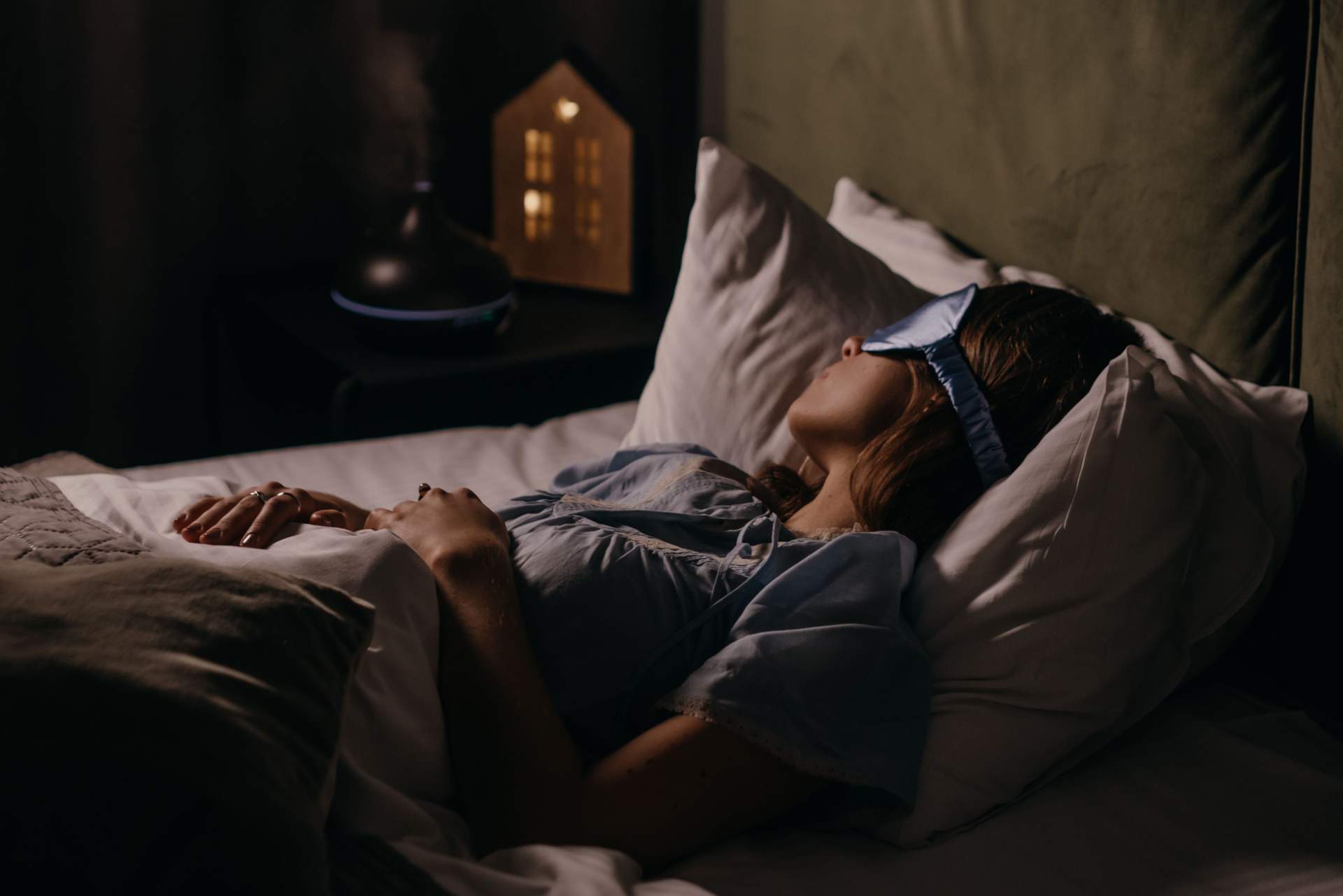
You've been traveling all day, you finally sink into a bed, and yet sleep refuses to come. You stare at the ceiling, hyper-aware of every unfamiliar sound and shadow. Sound familiar? It's not just in your head — well, actually, it is in your head, and science has a name for it.
What is the "first night effect"?
The first night effect is a well-documented phenomenon in sleep science and psychology. When you sleep in a new place for the first time, your brain doesn't fully settle into deep, restorative sleep. Instead, it stays partially alert — quietly scanning the environment for potential threats.
The absence of a sense of safety reaches deep into our subconscious, keeping part of the brain on watch — as if your body is holding itself in reserve, ready to respond to danger at a moment's notice.
This isn't a flaw. It's an ancient survival mechanism. For our ancestors, sleeping in an unfamiliar environment was genuinely risky. The brain learned to stay vigilant, and that instinct hasn't gone anywhere — even when "unfamiliar environment" means a perfectly safe hotel room in Barcelona.
What's actually happening while you sleep
Sleep isn't a single, uniform state. It cycles through several stages, including REM (Rapid Eye Movement) sleep — the phase where dreaming occurs and emotional processing happens. During the first night in a new place, the brain tends to linger in lighter, near-waking states rather than dropping into the deep sleep your body actually needs.
The result? Your body never fully powers down. Deep sleep — the kind that genuinely restores energy and consolidates memory — gets cut short. You may technically sleep through the night, but wake up feeling like you barely rested at all.
Why your left brain stays awake
Research has revealed something fascinating: during a first night in an unfamiliar place, the left hemisphere of the brain remains significantly more active than the right. Think of it as your brain's built-in night watch.
The left hemisphere stays tuned in to external sounds and sensations, processing potential threats while the rest of you tries to rest. This is strikingly similar to what we see in certain animals — like dolphins and birds — that can sleep with one half of the brain at a time, keeping one eye (literally) open for predators.
You're not being anxious or oversensitive. You're being an animal with a very good brain.
How it affects your next day
For some people, the first night effect is barely noticeable — a slightly restless sleep, nothing more. For others, it can mean real fatigue, difficulty concentrating, and a foggy, unproductive morning. This becomes especially problematic when the stakes are high: think early-morning business meetings, important presentations, or a big travel day ahead.
If you've ever wondered why the second night away always feels so much better, now you know. Your brain has had one night to assess the environment, decide it's safe, and finally let its guard down.
Simple ways to sleep better in an unfamiliar place
You can't completely override this biological response — but you can soften it. A few small strategies can help your brain feel safer, faster:
- Bring something familiar from home — a favourite pillow, a pillowcase, or even a small comfort object. Familiar scents and textures signal safety to the brain.
- Stick to your usual bedtime routine — whether that's reading, stretching, or a cup of herbal tea. Consistent rituals tell your nervous system it's time to wind down, regardless of where you are.
- Use relaxing background sound — soft music, white noise, or a sleep podcast can mask unfamiliar environmental sounds and create a more predictable auditory environment for your brain.
The first night effect can't be eliminated entirely, but once you understand what's happening, it becomes easier to work with rather than fight against. A little preparation goes a long way — and by night two, your brain will almost certainly have decided you're safe.