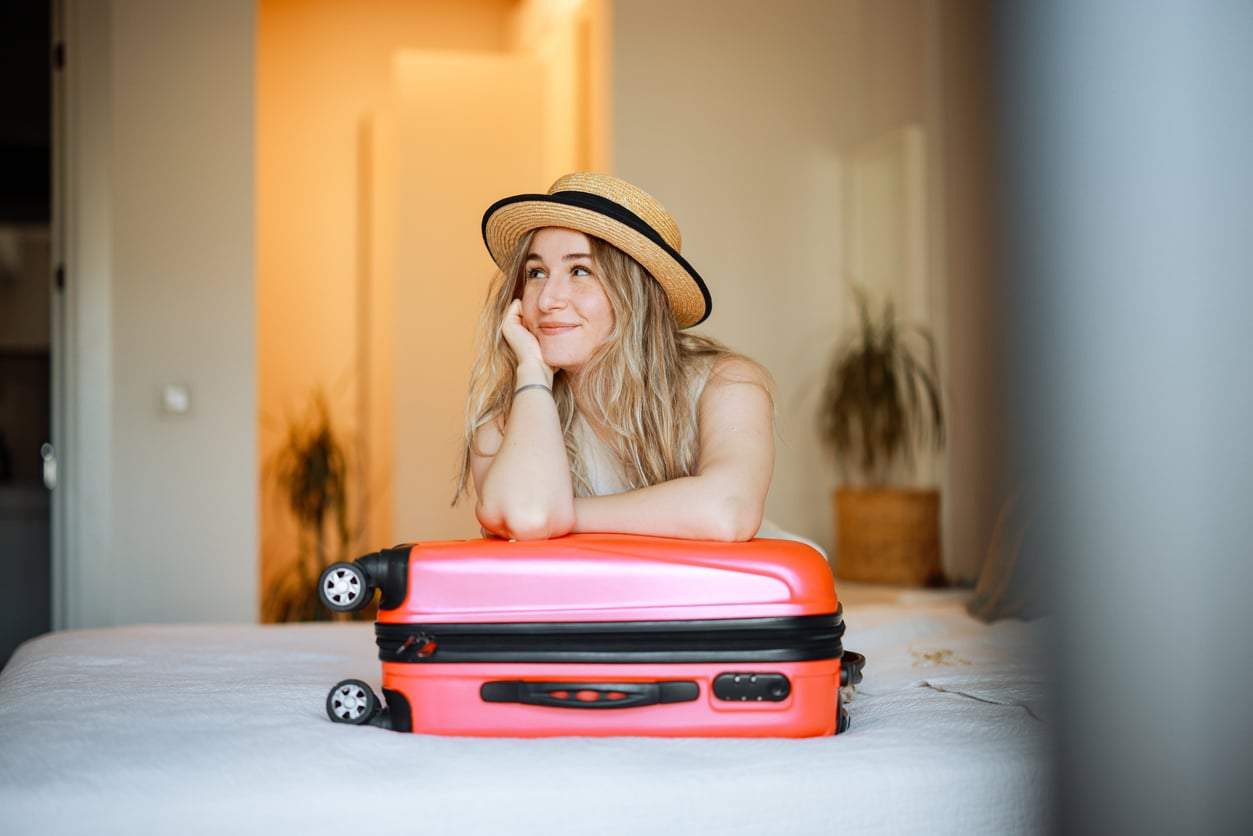
You check in, drop your suitcase, then sink onto the freshly made bed, grab the remote and pour yourself a glass of water from the bathroom cup. It's an innocent routine almost everyone runs through in a hotel room, yet some of the surfaces we use on autopilot get disinfected far less often than we'd like to believe.
1. The TV remote control
The remote is one of the most handled objects in any hotel room, yet a disinfecting wipe almost never comes near it during cleaning. Think about it: the previous guest probably clicked through channels while lounging on the couch, munching popcorn, maybe even fighting off a cold. And those tiny gaps between the buttons make a perfect hiding spot for bacteria and viruses.
Housekeepers typically focus on the bed linens, the bathroom and the visible surfaces, while the remote often gets a quick wipe at best, if it's touched at all.
If you still want to watch TV, it's worth packing a small disinfecting wipe in your travel bag and running it over the device before you touch it. Plenty of people simply slip the remote into a plastic bag to avoid direct contact, and that trick turns out to be surprisingly handy on longer trips.
2. The glasses and mugs, if they aren't wrapped
If the glasses on the bathroom shelf or the desk aren't individually wrapped, covered with paper or sealed in plastic, chances are they only got a quick rinse during cleaning, not an actual sanitizing. In many hotels, staff simply rinse the glasses and wipe them out with a cloth instead of running them through a dishwasher or properly disinfecting them, especially during busy periods.
To be safe, it's worth bringing your own bottle or cup, or at least rinsing the hotel glass thoroughly with hot water before use. Many travelers, by the way, stick exclusively to the wrapped, clearly single-use cups whenever the room provides them.
3. The ice bucket
It might come as a surprise, but the ice buckets left in hotel rooms are among the least monitored items of all. They're rarely washed properly, and because they sit in a damp, dark corner of the room, they offer an ideal breeding ground for mold and bacteria. People chill champagne or drinks in them, or drop ice straight into their glass, without pausing to consider how many hands have touched that same bucket before them.
If you do want to use ice, it's smarter to place a clean plastic bag inside the bucket before filling it, so the ice never comes into direct contact with your drink or glass. Some seasoned travelers skip the in-room ice bucket altogether and ask for freshly scooped ice at the front desk or the bar instead, whenever that's an option.
The comfort of a hotel room can be deceptive: everything gleams, everything smells fresh, and yet there are small details worth thinking about for a few seconds before you slip into full relaxation mode out of habit.
Are hotel TV remotes really that dirty?
The remote is one of the most frequently handled objects in a room but rarely gets a proper wipe-down. The gaps between the buttons can trap bacteria and viruses left by previous guests.
How can I tell if a hotel glass has actually been sanitized?
If a glass isn't individually wrapped, covered with paper or sealed in plastic, it has likely only been rinsed rather than truly disinfected. When in doubt, rinse it with hot water or use your own cup.
Why is the ice bucket a hygiene risk?
Ice buckets are rarely washed properly and sit in a damp, dark spot, which makes them a good breeding ground for mold and bacteria. Lining the bucket with a clean plastic bag keeps ice from touching the surface directly.
What should I pack to stay safe in a hotel room?
A few disinfecting wipes and a plastic bag go a long way — you can wipe down the remote, wrap it to avoid contact, and line the ice bucket before using it. Bringing your own bottle or cup is another easy precaution.