Flying is statistically one of the safest ways to travel — but try telling that to your stomach the moment the plane starts to shake. For nervous flyers, turbulence can turn an otherwise smooth trip into an hour of white-knuckle dread.
Here's the good news: where you sit can genuinely change how much turbulence you feel. A few smart choices before you even board can make the difference between a bumpy, anxious flight and a much calmer one.
What turbulence actually is
First, it helps to understand what's really happening. Turbulence is a form of atmospheric instability, caused when air layers of different temperatures meet and mix. As those layers collide, the aircraft starts to shake — and that's the jolting sensation we experience as passengers.
The structure of the plane itself has a big effect on how strongly you feel that movement. The front, middle, and rear of the aircraft each respond differently to shifting air, which is exactly why your seat choice matters.
Which row is the smoothest?
According to experts, the seats near the wings, in the middle of the cabin, are the best for minimizing turbulence.
The center of gravity sits close to the wings, which helps stabilize the plane — so the shaking is far less noticeable here.
The opposite is true at the back. The rear of the plane amplifies the most movement, so if you can, avoid those seats — especially if you're prone to anxiety or motion sickness.
If cabin comfort is on your mind, you might also want to know the dirtiest spot on an airplane before your next flight.
Window or aisle seat?
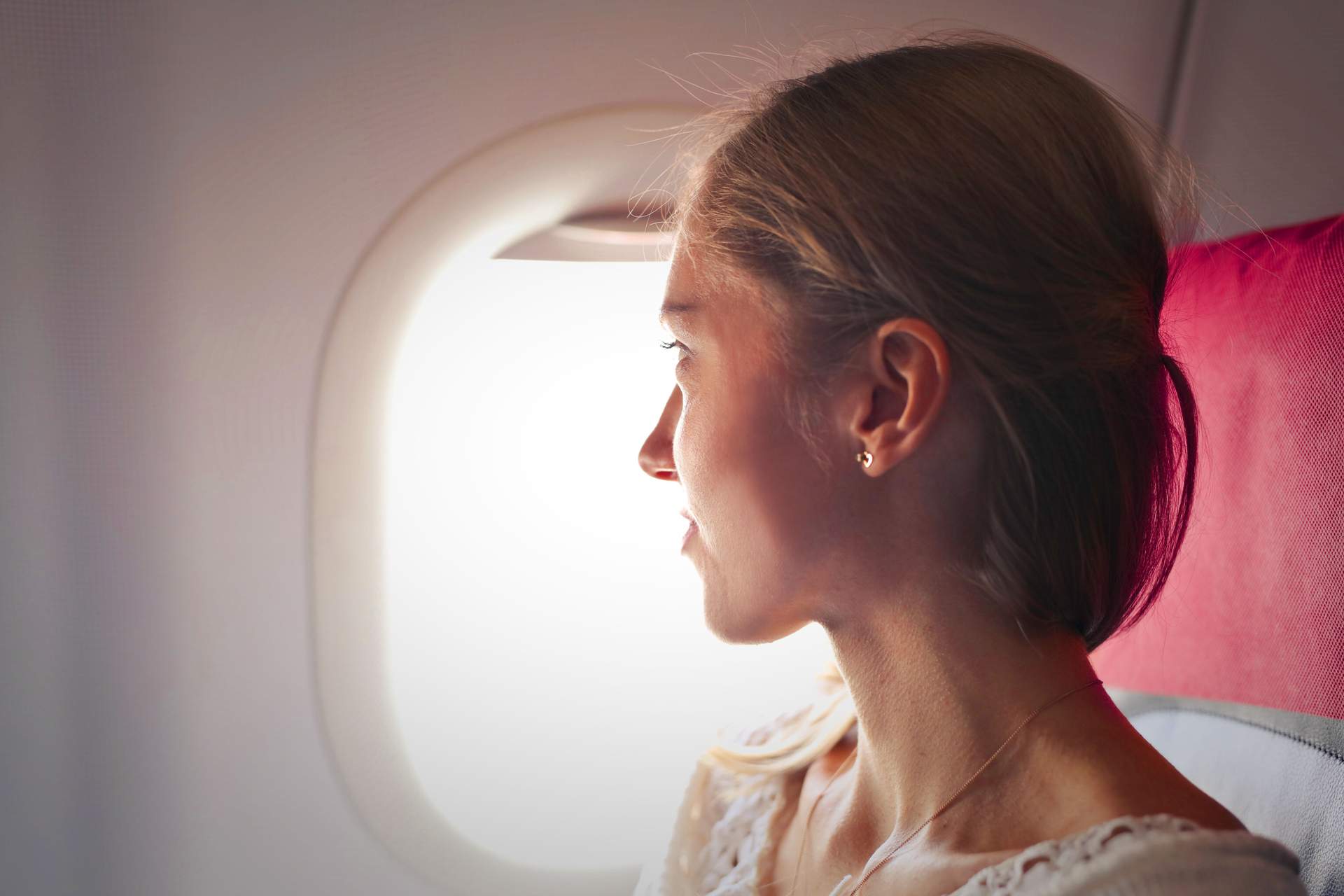
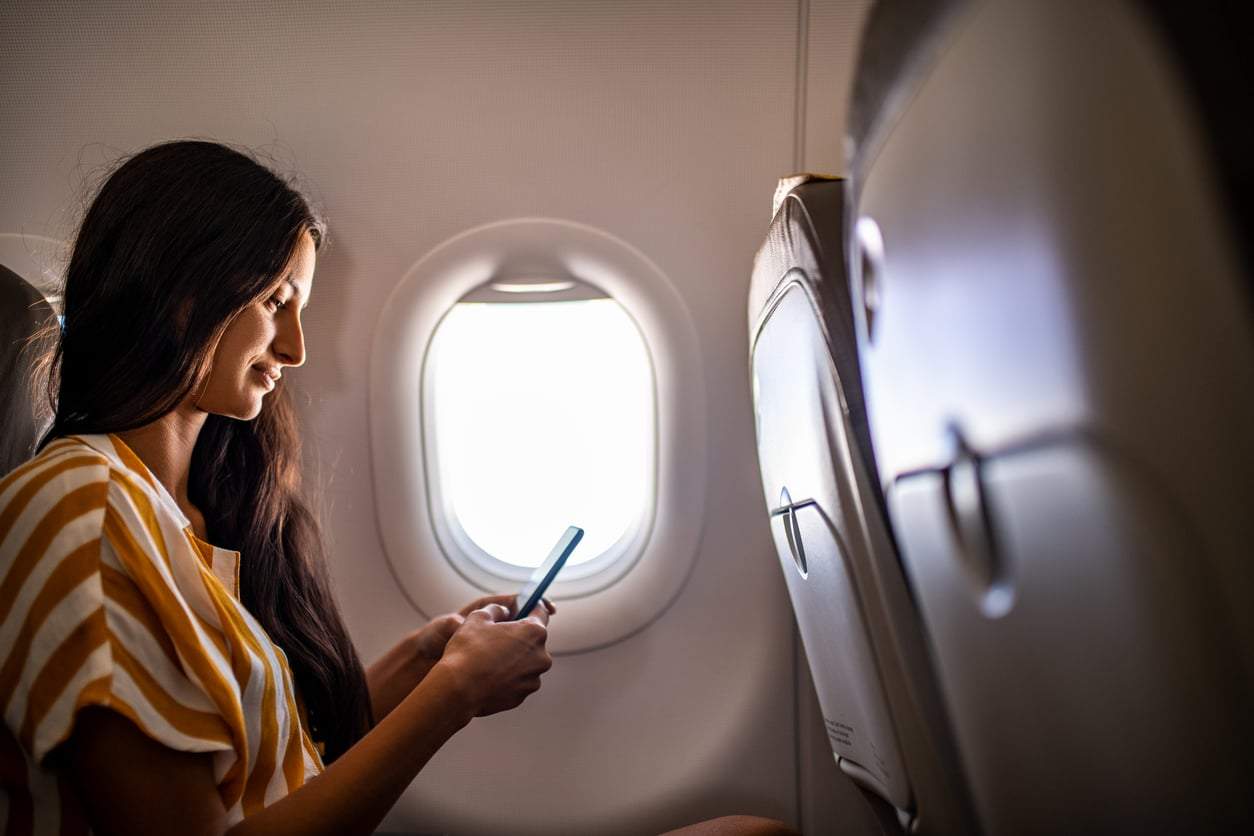
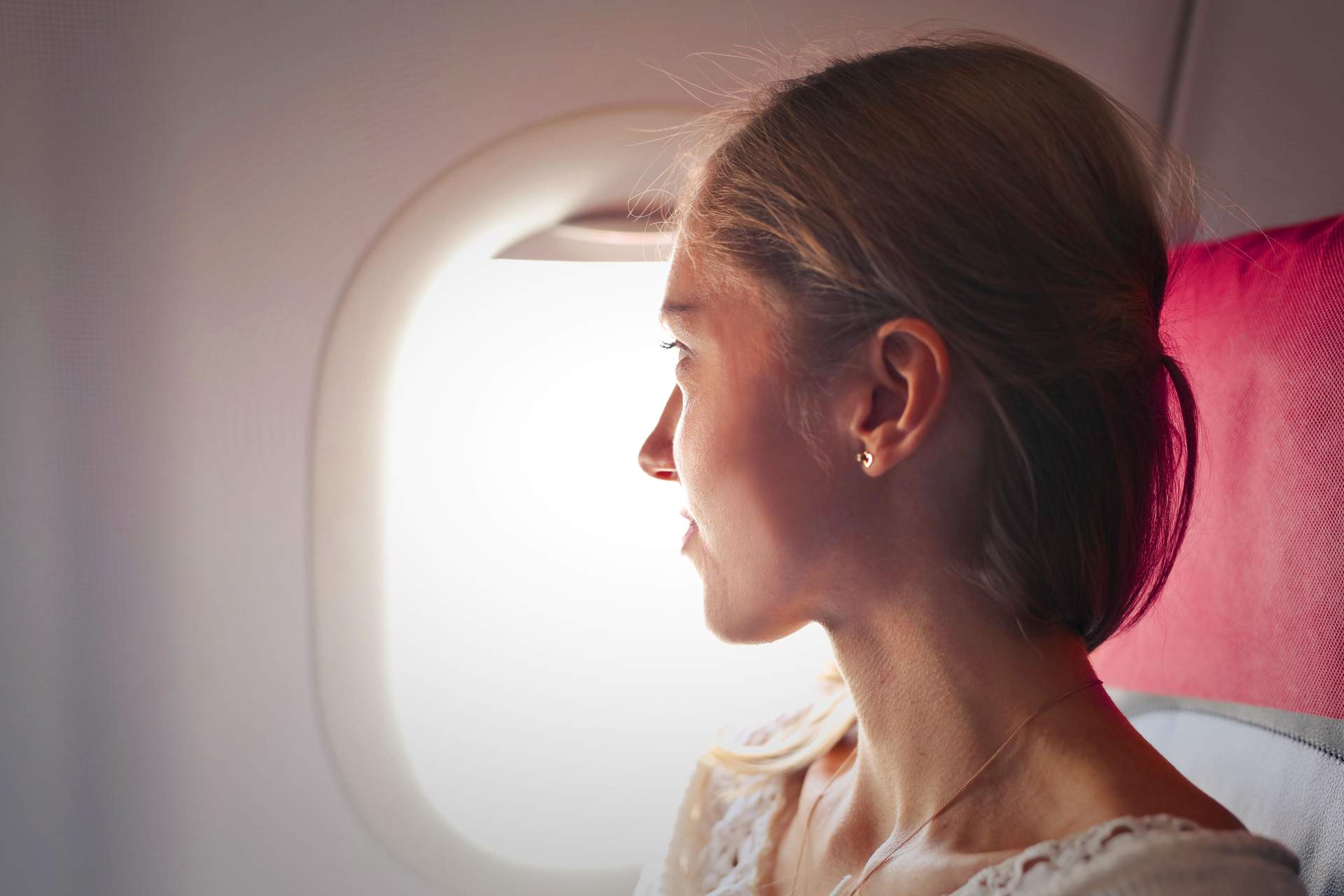
Then there's the eternal question: window or aisle? A window seat lets you look out and see the horizon, which many people find reassuring — being able to watch the world and follow the route can quietly ease anxiety.
An aisle seat, on the other hand, gives you freedom to move and get up easily, something a lot of travelers find calming, especially on longer flights. In the end, it comes down to personal preference — which side simply makes you feel more comfortable and secure.
How to keep turbulence stress under control
Once you've chosen the right seat, here are a few more ways to ease the stress of turbulence and stay calm in the air:
- Try simple breathing exercises. Slow, steady breaths can noticeably lower your anxiety.
- Keep yourself distracted — listen to music, watch a film, or dive into a good book to take your mind off the bumps.
- When you can, choose late-evening flights, when air currents tend to be calmer.
- Chat with the people around you. A little conversation can pull your attention away from the shaking.
If your nerves run deeper, it's worth learning more about how to overcome the fear of flying for the long term.
Turbulence can feel frightening in the moment, but with a little preparation and the right seat, you can dramatically reduce the discomfort that comes with it.
Where is the smoothest seat on a plane?
The seats near the wings, in the middle of the cabin, tend to feel the smoothest. That's where the plane's center of gravity sits, which helps stabilize it against shaking.
Which seats feel turbulence the most?
The rear of the plane amplifies the most movement, so seats at the back feel the bumpiest — best avoided if you're prone to anxiety or motion sickness.
Is a window or aisle seat better for anxious flyers?
It depends on you. A window seat lets you watch the horizon, which many find reassuring, while an aisle seat gives you the freedom to get up and move around. It's a matter of personal preference.
Does the time of day affect turbulence?
It can. Air currents are often calmer in the late evening, so choosing a late flight may give you a smoother ride.