There's a seat on almost every flight that travelers only notice once it's too late. The boarding pass is already printed, the plane is packed, and there you are — sweating, vaguely dizzy, while everyone around you fluffs a neck pillow and drifts off to sleep. Summer flying has a few specific traps, and knowing where they are before you check in can make a real difference.
The window seat behind the wing on the sunny side
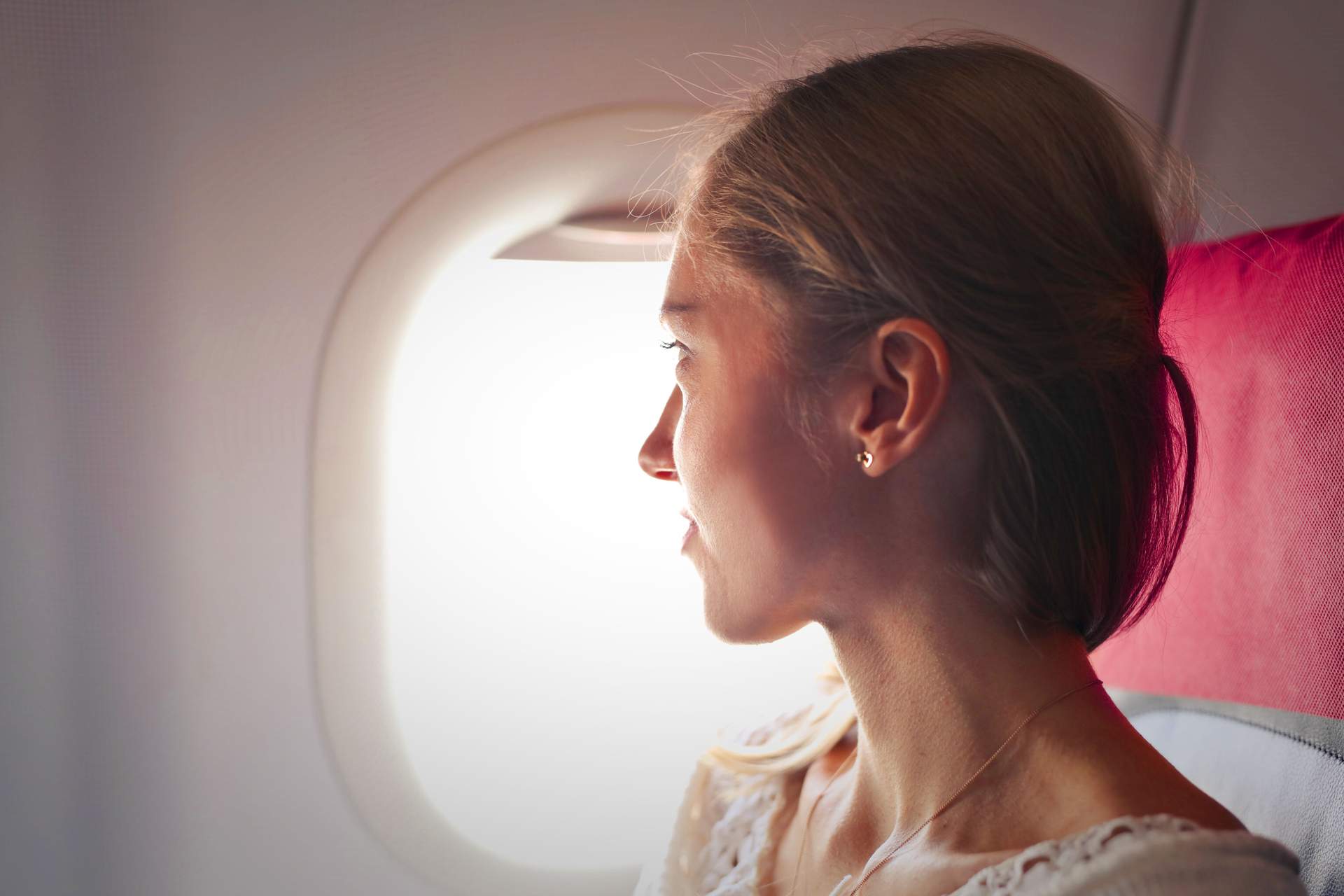
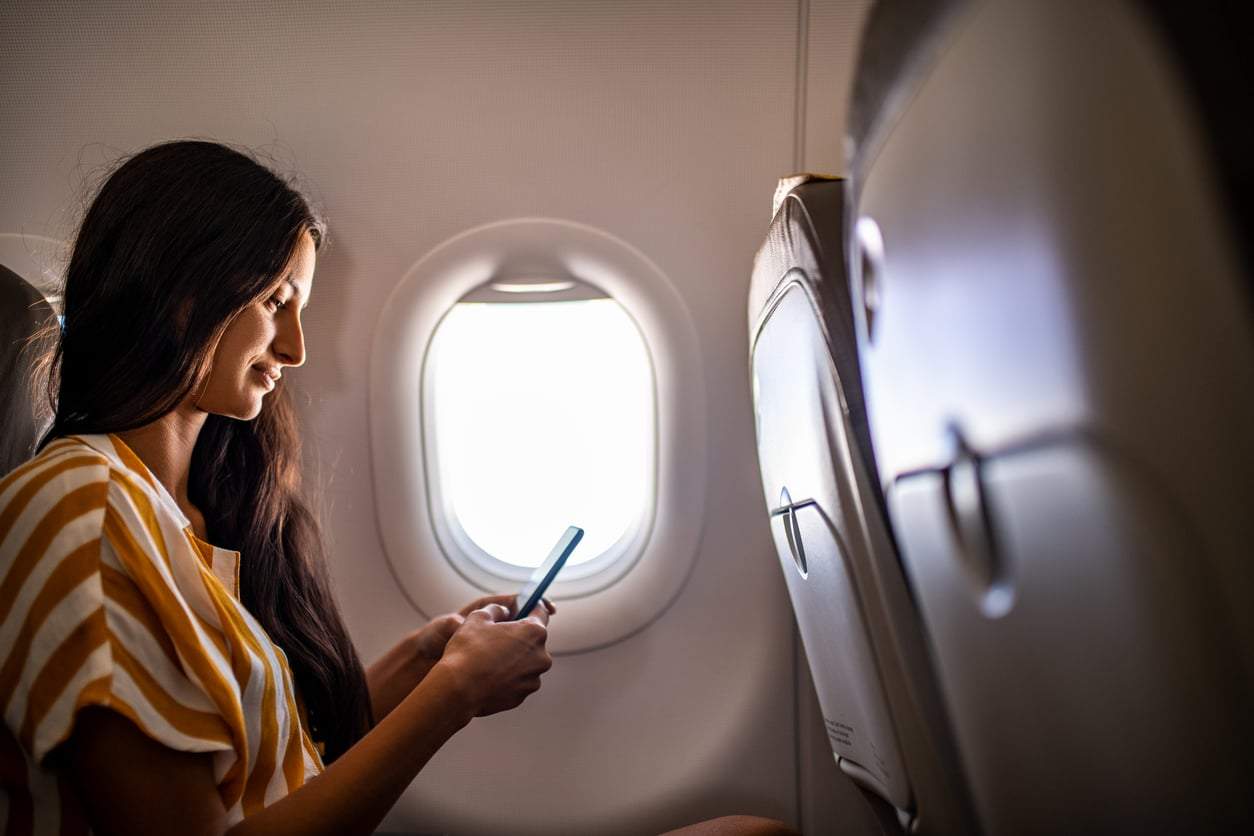
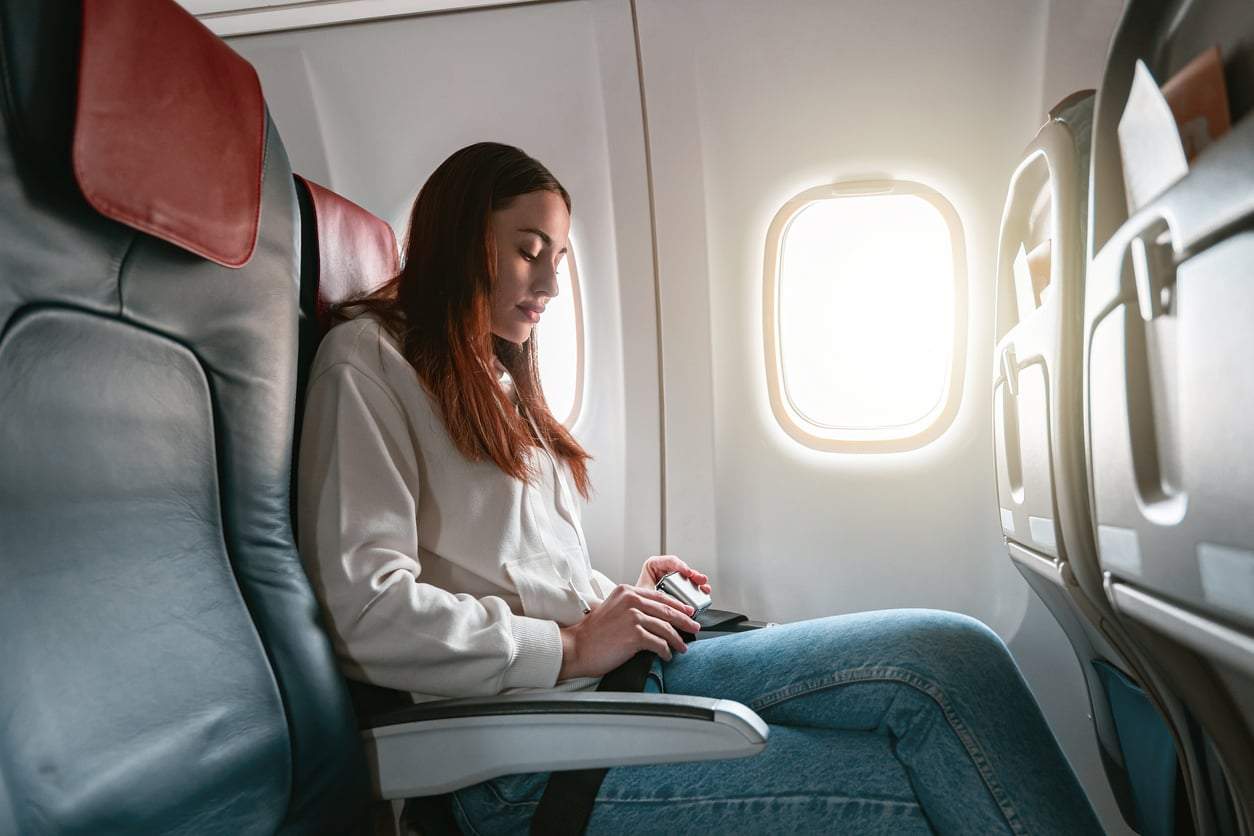
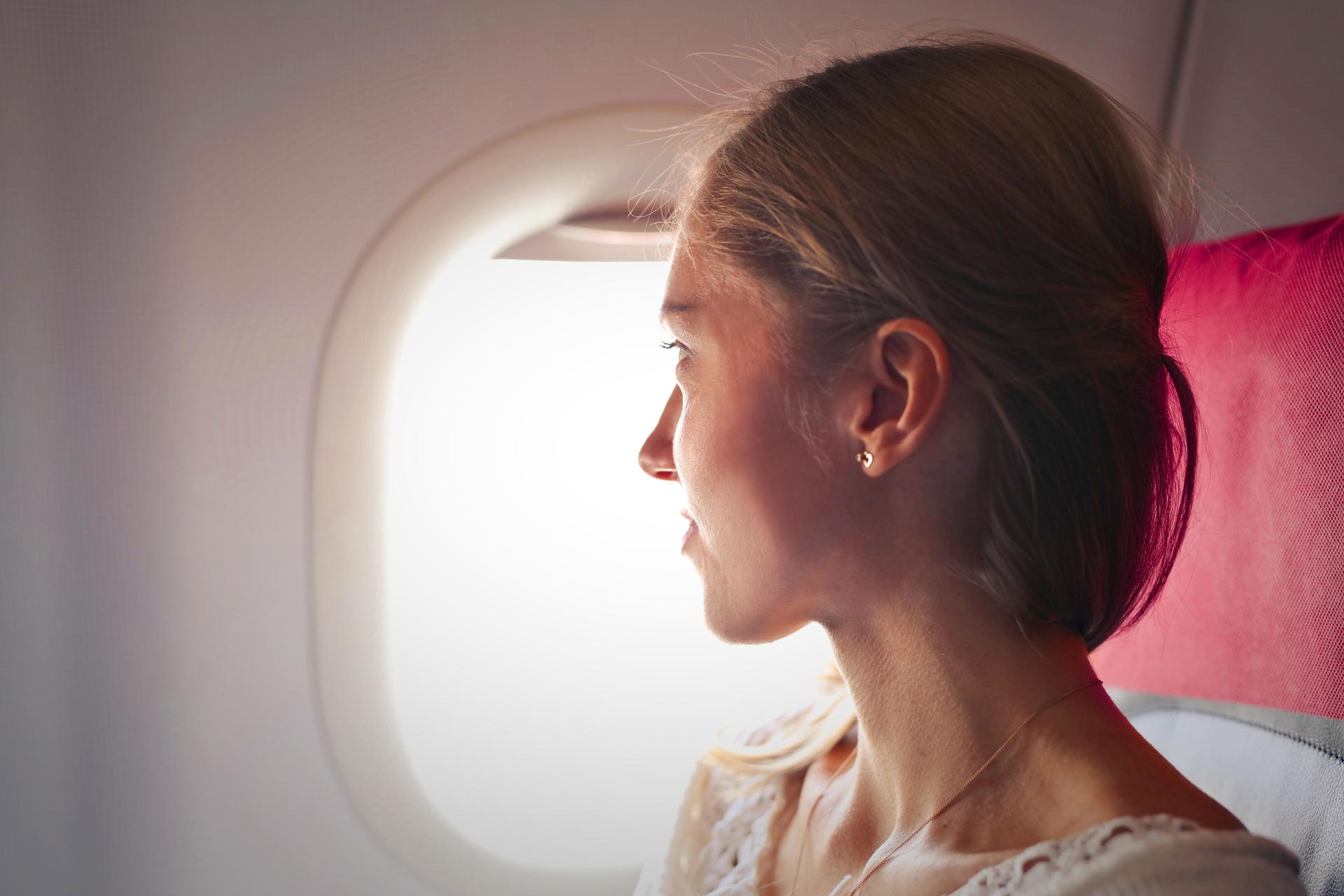
On a summer flight heading east or south — often for several hours — landing on the sun-facing side of the cabin can be genuinely brutal. Aircraft windows act like a magnifying lens, intensifying solar radiation directly onto your shoulder and face. Meanwhile, the cabin air conditioning struggles to keep up on a full, hot plane, and the cooling air it does push through rarely reaches the back rows at full strength.
The rows just behind the wing come with an extra layer of misery: engine noise and vibration are noticeably stronger here, and legroom is often tighter because the wing root cuts into the underfloor space. Heat, noise, and cramped legs — all at once, for hours.
The last rows near the lavatories
The rear of the aircraft is genuinely harder to cool. Most cabin air is pumped in from the front and loses temperature as it travels backward, arriving at the last rows already lukewarm. Add the lavatories into the mix and the problems multiply: a constant queue shuffling past you, doors banging every few minutes, and — on a long, hot summer flight — an increasingly noticeable smell that only gets worse as the hours pass.
If you end up with a window seat at the back, on the sunny side of the plane, you've drawn the worst possible combination: heat, tight space, constant foot traffic, and nowhere to go.
The seat that won't recline
Many airlines lock the recline on the last row of the cabin and on seats directly in front of emergency exits — there's simply a wall or an exit door behind them. In normal circumstances this is an inconvenience. On a hot, exhausting afternoon flight in July or August, it becomes a real problem: you cannot lean back even slightly while every other passenger around you reclines and relaxes. The confined feeling is only amplified by the heat.
Aisle seats near the boarding door
It might seem like a smart pick — easy access, no one climbing over you — but aisle seats close to the front boarding door are a hidden summer trap. This is where the entire boarding process happens: passengers wrestling overhead bags into bins, people blocking the aisle, doors opening and closing while outside air floods in. By the time everyone settles, the air conditioning still hasn't caught up with the heat that built up during boarding. Anyone sitting here almost certainly spends the first and last fifteen minutes of the flight in a sweat.
What to do instead
The fix is simple: check the seat map during online check-in before anyone else grabs the good spots. Look for a seat that is not directly behind the wing, is not in the last few rows, and is not adjacent to the lavatories. Rows in the front third of the cabin — not the very first row, but close to it — generally offer more consistent air conditioning and far less foot traffic.
Once you've picked wisely, a few extras help: light, breathable clothing, a small personal fan, and a bottle of water you can actually sip throughout the flight. But the biggest gain comes from seat selection — and that costs nothing except two minutes before you close the check-in screen.
Frequently asked questions
Which seat is genuinely the worst on a summer flight?
A window seat behind the wing on the sun-facing side of the plane, especially in the last few rows near the lavatories, combines the most problems: intense heat from the window, weaker air conditioning, engine noise, tight legroom, and constant lavatory traffic.
Why is the back of the plane hotter in summer?
Cabin air is pumped in from the front and loses temperature as it travels toward the rear, so the last rows receive noticeably less effective cooling — a problem that gets worse on a full, hot flight.
Are emergency exit row seats always a good deal?
Not always. While exit rows offer extra legroom, the seats directly in front of an emergency exit often cannot recline at all, which becomes a real comfort issue on longer summer flights.
When is the best time to choose your seat?
As early as possible — ideally at online check-in, which typically opens 24 to 48 hours before departure. Checking the seat map at that point gives you the widest choice before the better spots are taken.