You slide into bed, pull the covers up, and assume everything is fresh. But have you ever actually checked whether your sheets are as clean as they look? Most of us haven't — and that's a problem.
The good news: there's a simple 10-second trick that tells you the truth almost instantly. It works at home, and it's especially reassuring when you're staying somewhere unfamiliar, like a hotel or a rental.
How the sheet trick works
Most people change their bedding once a week — but plenty of us stretch it longer than we'd like to admit. In the meantime, sheets quietly collect dust, dead skin cells and sweat, all of which create the perfect breeding ground for bacteria.
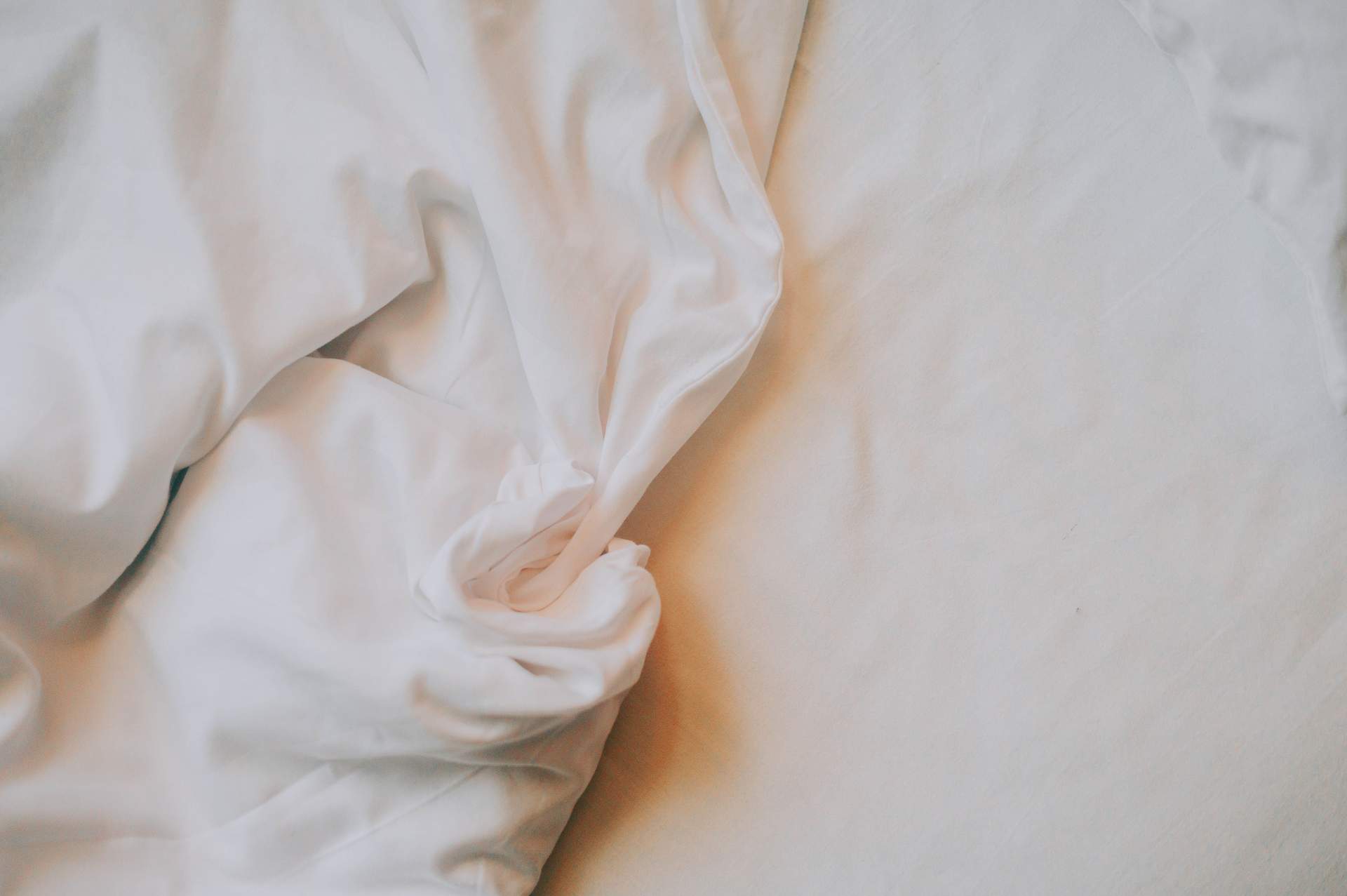
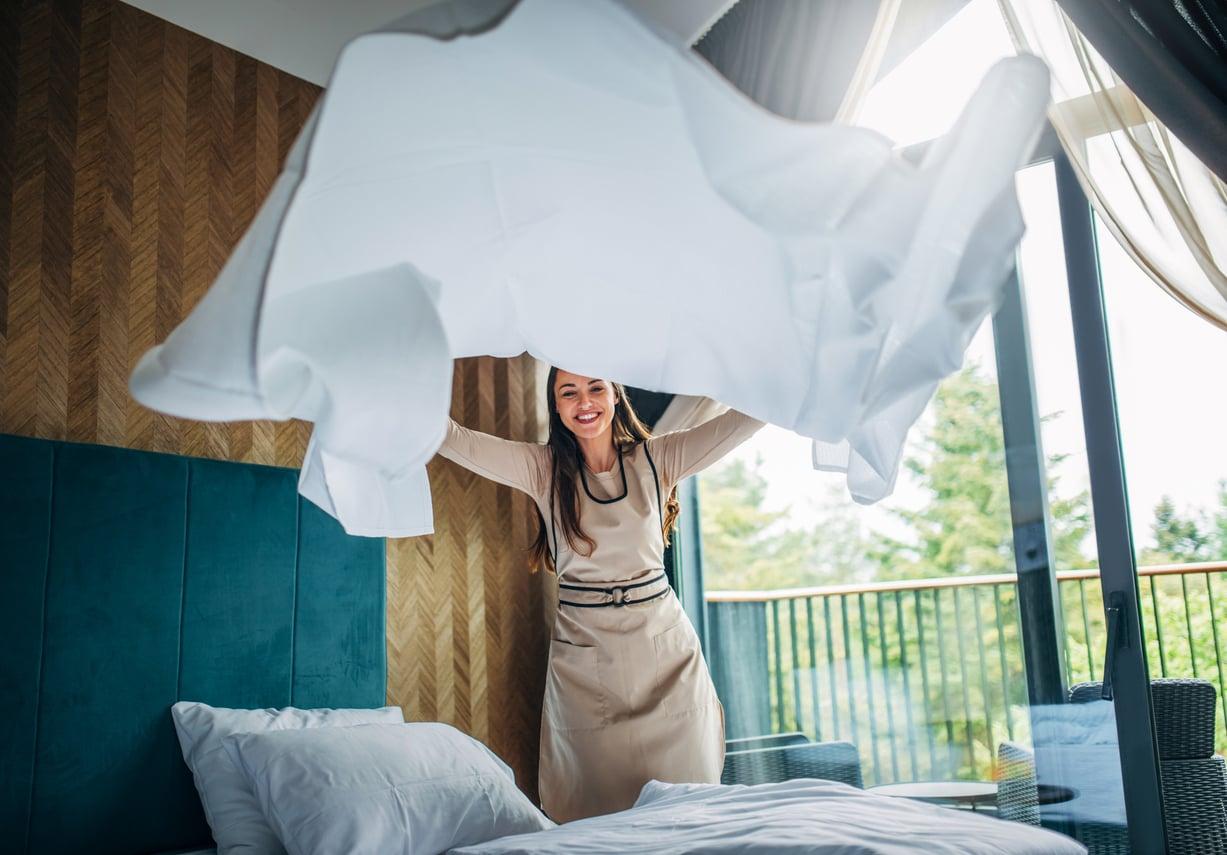
The trick itself couldn't be simpler. In bright, natural daylight, grab the sheet and look closely across its surface. If you spot any stains, discoloration or a faint dusty film, it's time to wash it.
What makes this so useful is that daylight reveals the subtle grime your eyes usually miss indoors — the kind that quietly affects both your sleep quality and your skin over time.
Why regular bedding changes matter more than you think
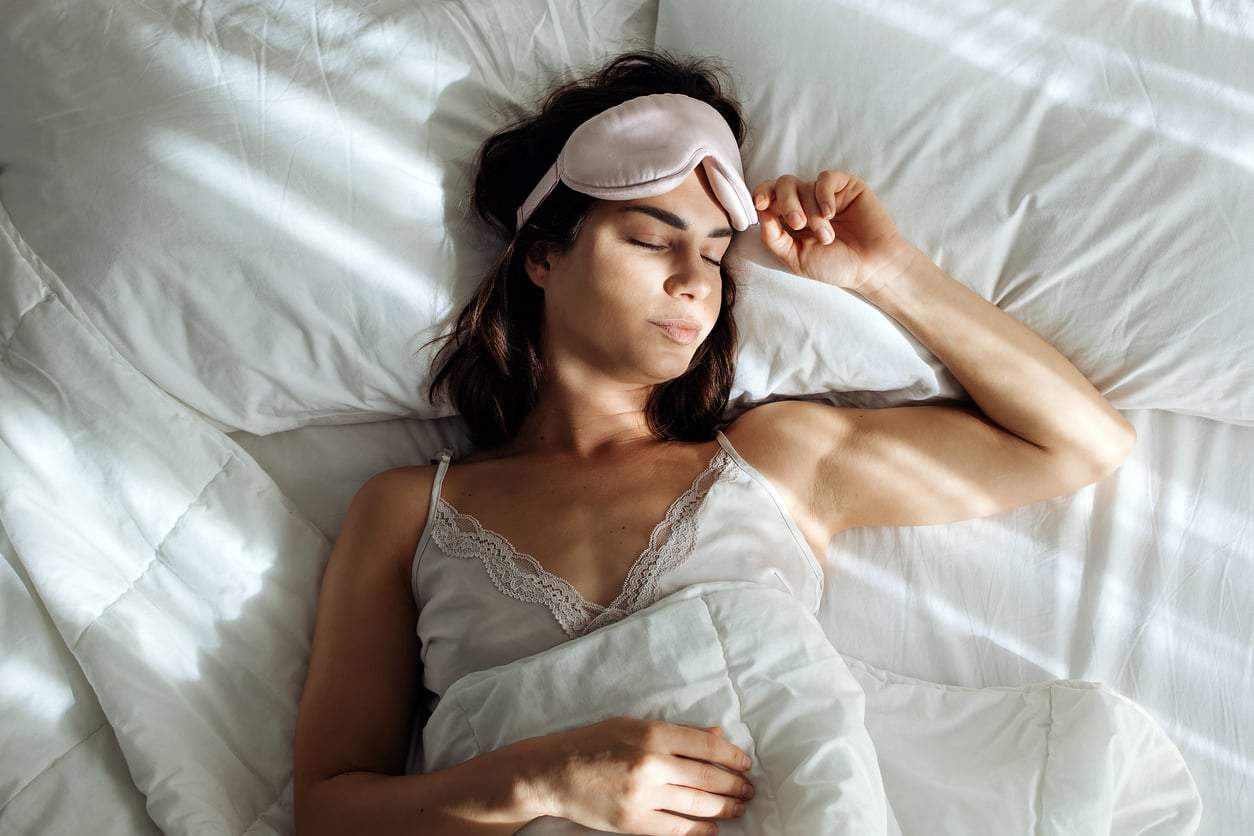
While you sleep, your body releases heat, sweat and shed skin cells, and all of it ends up soaking into your bedding. When sheets aren't washed often enough, that build-up becomes a comfortable home for bacteria, dust mites and fungi.
The consequences aren't just unpleasant — they can trigger allergic reactions, skin irritation and even respiratory issues. If you're curious about the finer points, it's worth reading up on why you shouldn't put off changing your sheets.
Regular bedding changes help create a genuinely healthy sleep environment — one that not only feels more comfortable, but also helps prevent skin problems and allergies. Aim to swap and thoroughly wash your covers once a week.
Tips for washing your bedding the right way
Once the sheet trick tells you it's laundry day, a few key habits make all the difference. First, always check the care label — the manufacturer will tell you the ideal wash temperature. As a rule, a 60°C (140°F) wash is enough to kill off most bacteria and dust mites.
- Choose the right detergent: Look for gentle, hypoallergenic formulas to avoid skin irritation.
- Don't skip the fabric softener: It leaves your bedding soft and fresh — just opt for versions made with natural ingredients.
- Drying matters: Whenever you can, dry your sheets outdoors. Sunlight naturally disinfects and freshens the fabric.
Why this tiny habit is worth keeping
The beauty of the sheet trick is how effortless it is. It's quick and convenient, something you can do the moment you feel unsure about your bedding — no equipment, no fuss.
More than that, it builds a habit. A simple daylight check trains you to stay on top of hygiene without even thinking about it, which pays off for both your health and your everyday comfort.
Small rituals like this are really about caring for your home with a little more attention. Sleep shapes so much of how we feel each day, and clean, fresh bedding is one of the easiest ways to quietly improve your quality of life.
How often should I really change my bedding?
Once a week is the sweet spot. Washing and swapping your covers weekly helps prevent the build-up of bacteria, dust mites and fungi that can affect your skin and sleep.
What temperature kills bacteria and dust mites in bedding?
A 60°C (140°F) wash is generally enough to eliminate most bacteria and dust mites. Always check the care label first to make sure the fabric can handle it.
Does the sheet trick work in hotels?
Yes — that's one of its best uses. Simply hold the sheet up in bright daylight and look for stains, discoloration or a dusty film before you settle in.
Why is drying sheets outdoors recommended?
Sunlight acts as a natural disinfectant and freshener, helping to leave your bedding clean-smelling without extra products.