There is a specific weekend, somewhere around now, when the thin summer duvet stops being enough and you go digging in the top of the wardrobe. Out comes the winter set, folded neatly six months ago, and out comes that smell: not dirty exactly, just flat and closed-in, with a hint of cardboard. Most people shrug, make the bed anyway, and spend a week sleeping in it while their nose adjusts. You don't have to. Almost all of that staleness is created at the moment of packing away, not during the months of sitting still — which means the changeover is really two jobs, and doing them in the right order fixes next spring as well as this autumn.
Why stored linen goes stale in the first place
Textiles that go into a cupboard carrying even a small amount of moisture — the kind you can't feel with your hand because the fabric seems dry, but which is still held deep in a hem, a seam or the filling of a duvet — have nowhere to release it. Add a dark, still, unventilated space and you get that characteristic musty note. The second culprit is residue: fabric softener and detergent left in the fibres attract moisture and develop their own smell over time, which is why heavily softened bedding tends to come out of storage worse than plain-washed bedding.
Plastic makes both problems worse. Sealed boxes and long-term vacuum bags trap whatever humidity went in with the fabric, and compressing a feather or high-loft synthetic duvet for months flattens it in ways it doesn't always fully recover from. Cardboard boxes, meanwhile, can pass their own smell into cotton surprisingly quickly.
The changeover, in order
Start by stripping the bed completely and leaving it stripped for a few hours with a window open. This is the one moment all year when the mattress is genuinely accessible: vacuum the surface, including the seams and the edges, rotate it head to foot, and let it breathe while you deal with everything else. Pillows get the same treatment — a shake, an airing over a chair back, and an honest assessment of whether they still spring back when folded.
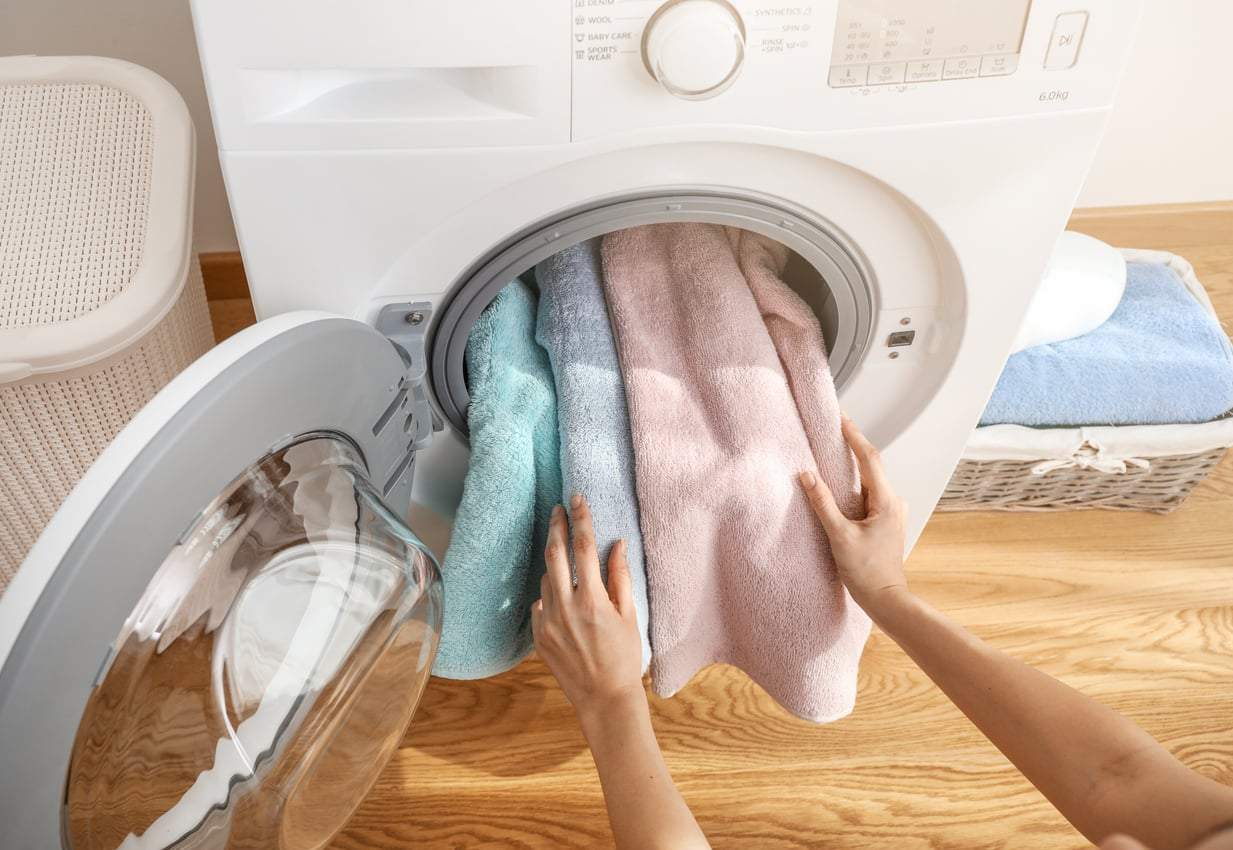
Next, the winter set. Wash covers and sheets before they go on the bed, even though they were clean when they were stored; a single wash and a full dry removes the cupboard note entirely. Check the label for temperature rather than guessing, wash them alone rather than crammed in with other textiles, and skip the softener — a dose of white vinegar in the rinse compartment does the softening job without leaving residue that will haunt you in April.
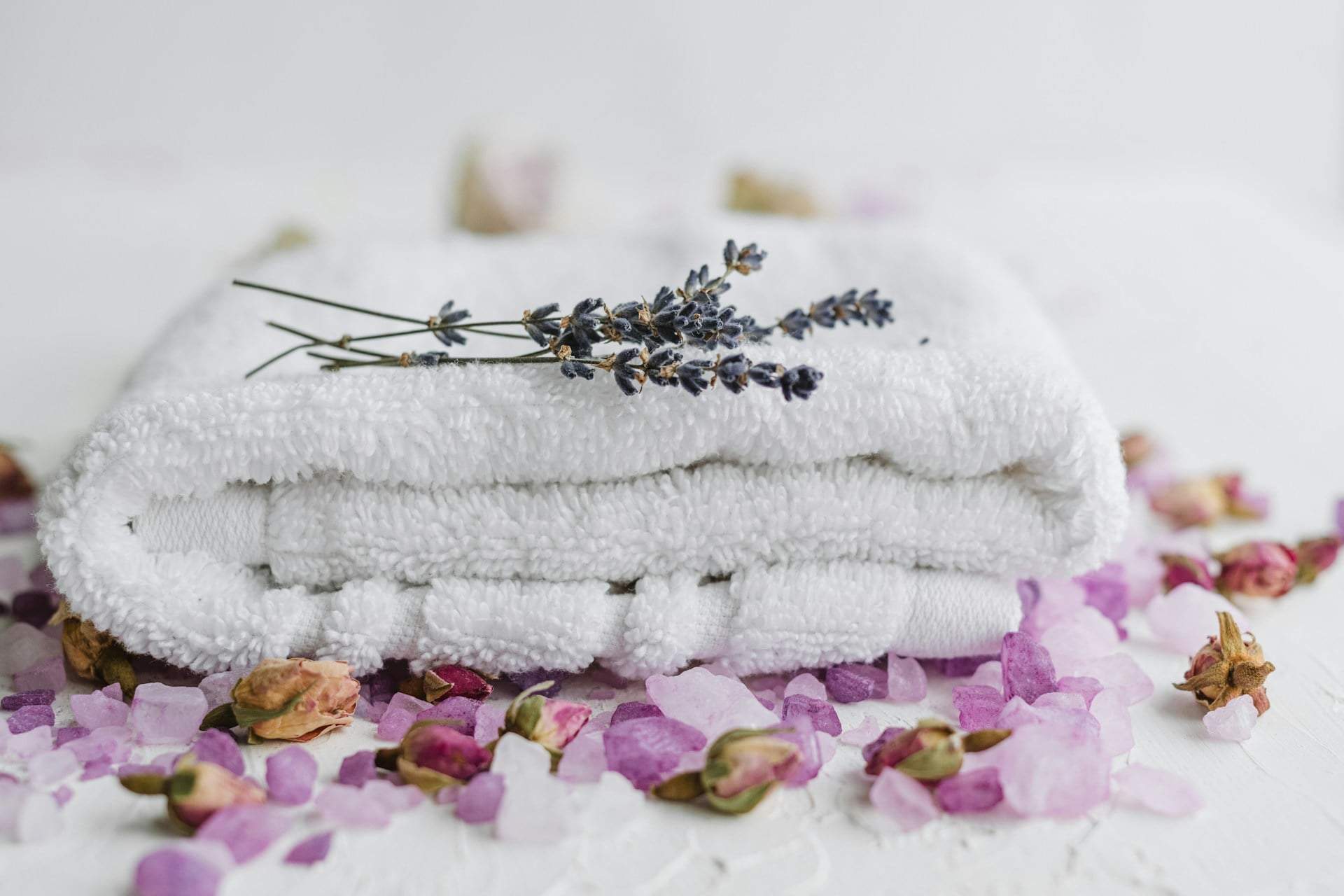
Then the summer bedding, which is the half most people rush. Wash it, dry it far longer than you think it needs, and only then fold it away. If you can, leave it out in an airing cupboard or on a shelf for a day after drying before packing. Store it in a cotton pillowcase, an old cotton bag or a breathable storage bag rather than sealed plastic, tuck in a lavender or cedar sachet without letting it touch the fabric directly, and keep the box somewhere dry rather than somewhere convenient.
The duvet itself deserves an hour
Whatever duvet you're bringing out, give it a day of air before it goes on the bed: draped over a banister, a clothes horse or a line on a dry, breezy day, turned once halfway through. Shake it out from the corners to redistribute the filling, and if it's spent the summer compressed, a tumble on a no-heat or cool air cycle with a couple of clean dryer balls will bring the loft back faster than anything else. Washing a duvet is a bigger undertaking and depends entirely on the filling and your machine's capacity, so read the label before you commit — an under-rinsed or under-dried duvet is exactly how you create a much worse smell than the one you started with.
Do I really need to wash bedding that was clean when I put it away?
Yes, and it takes one cycle. Stored fabric picks up the character of the space it sat in and holds dust that settles even through a closed cupboard door, so a wash and a thorough dry is what turns "technically clean" into "smells like a hotel". If the set has been in storage for more than a season, wash it the day before you plan to use it rather than the morning of, so nothing goes on the bed even slightly damp.
How do I get a musty smell out of a duvet I can't wash?
Air it outdoors on a dry, breezy day for several hours, turning it once, which handles most mild staleness on its own. If the smell lingers, a cool-air tumble with dryer balls helps, and a fresh, freshly washed cover adds the final layer — but if a duvet smells genuinely damp rather than stale, or if there's any visible discolouration, it's worth replacing rather than rescuing.