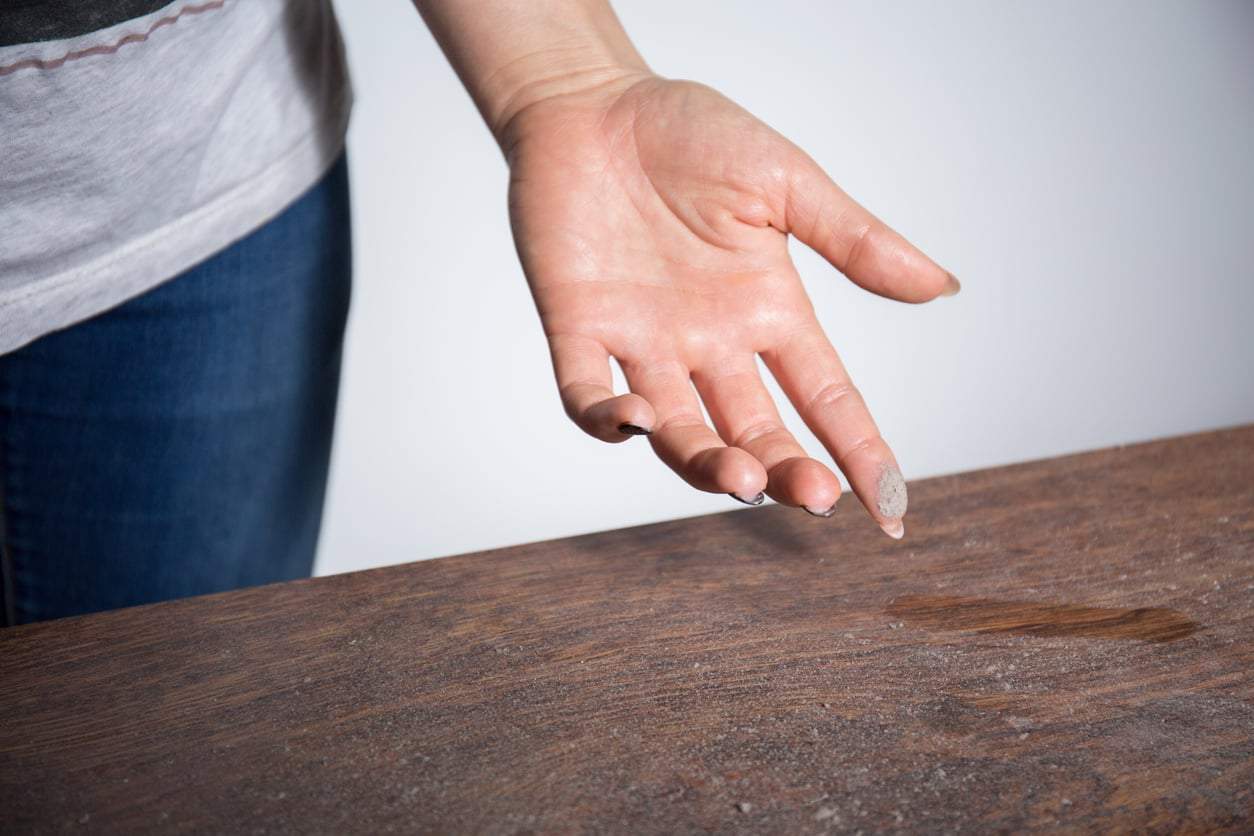
There's a smell that arrives with the first properly cold morning of the year. You turn the heating on, and within minutes the house smells faintly singed and dusty, like a cupboard being opened after a long time. Most of us open a window, mutter something about the boiler, and forget about it until next October. But the smell has an obvious source, and it's sitting in plain sight under the window: months of dust that has settled in and behind the radiators, now gently baking.
Why radiators collect more dust than almost anything else
A radiator is essentially a dust magnet with a built-in delivery system. When it's warm, it pulls cooler air in at the bottom and pushes warm air up and out at the top, and every bit of that air carries fine household dust — fabric fibres, skin cells, pet hair, crumbs of whatever the toddler was eating. The dust settles on the fins and inside the narrow channels of a panel radiator, where nothing ever disturbs it, and the area behind the radiator is the one strip of wall and skirting board that almost nobody reaches with a cloth.
That build-up is why the heating season starts with a smell, why the wall above the radiator slowly greys, and why people with dust sensitivities often feel worse once the heating goes on. It's also quietly satisfying to fix, because the before-and-after on the cloth is genuinely shocking.
The ten-minute method
Do this with the heating off and the radiator cold — it's safer and the dust clings less. Lay an old damp towel on the floor along the length of the radiator, tucked right up to the skirting, to catch everything you dislodge. Then work from the top down. Start with the vacuum's narrow crevice tool along the top grille and down any gaps you can reach, then switch to a brush attachment for the front fins.
For the inside of a panel radiator, where the vacuum can't go, you need either a long radiator brush, a bendy duster, or the old trick of hanging a damp microfibre cloth over a wooden spoon or ruler and running it down the inner channels. Another option is to set a hairdryer to cool and blow the dust downwards onto the damp towel — it's loud and slightly chaotic, but effective in a radiator that hasn't been touched in years.
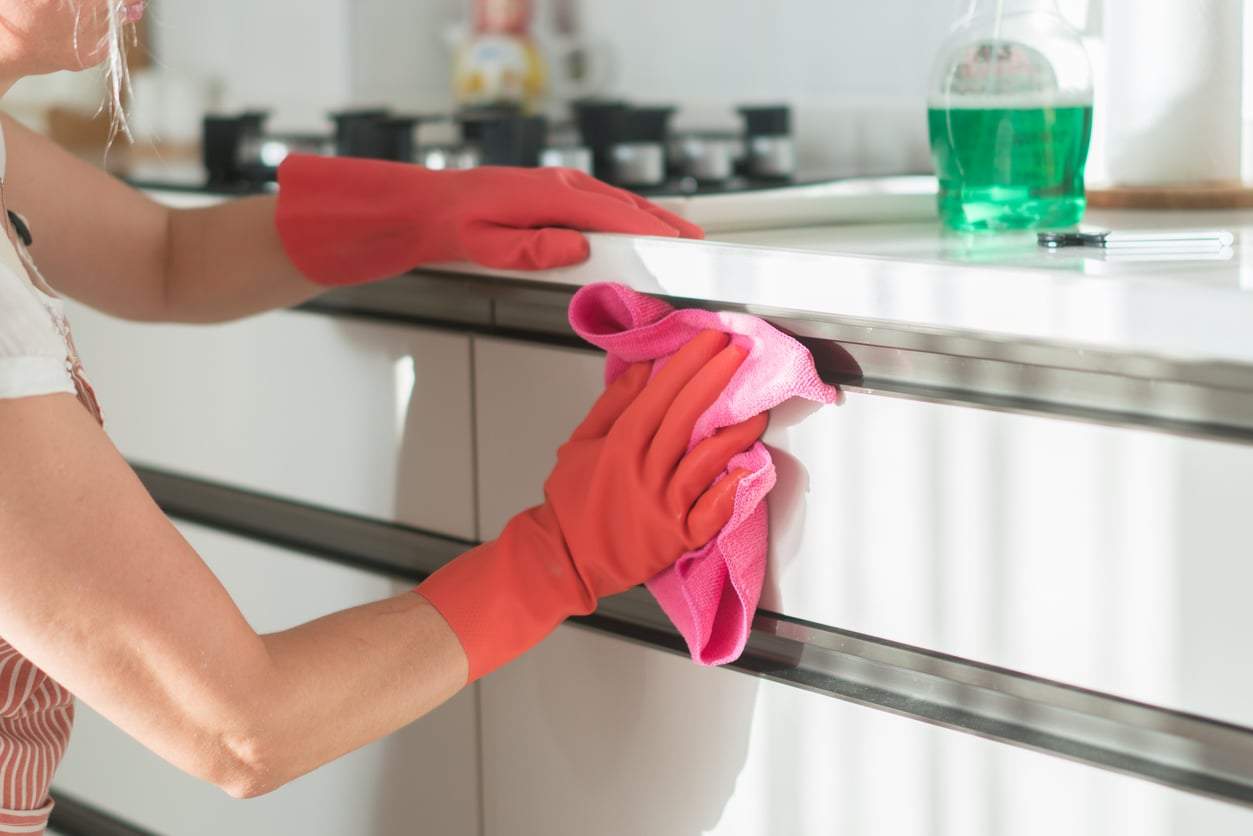
Finish with the bits that make the visible difference: wipe the top surface and the sides with a barely damp cloth and a drop of washing-up liquid, clean the skirting board behind if you can reach it, and give the wall above a gentle wipe to lift the grey shadow. Roll the towel up carefully rather than shaking it out in the room.
While you're down there, look at what's around it
Half the problem is what we put in front of radiators. A sofa pushed flat against one, floor-length curtains hanging over it, or laundry draped on top all block the airflow and trap dust in the warm pocket behind. Pull furniture out a few centimetres, tuck curtains behind or switch to a shorter pair for winter, and dry washing on an airer near the radiator rather than on it — damp fabric sitting on a hot surface is also how rooms end up feeling muggy and smelling stale.
It's worth doing the same quick dust for the other heat sources you've just reactivated: the back of a heated towel rail, the vents of any fan heater that's been in the loft since spring, and the grilles of an extractor fan in the bathroom. If a radiator is cold at the top while warm at the bottom, that's a separate issue — bleeding is simple, but check your boiler manual first, and if you rent, ask your landlord rather than guessing.
How often does this actually need doing?
Once a year before the heating comes on properly is enough for most households, with a quick vacuum of the tops and the gaps midwinter if you have pets, a wood burner or anyone in the house with asthma or hay fever. The rest of the time, simply running the crevice tool along the top of each radiator when you vacuum the room keeps the worst of it at bay. It's one of those jobs where consistency beats intensity.
Why does the house smell dusty when the heating first comes on?
In most cases it's accumulated dust warming up on and inside the radiators and in the pipework, which burns off over the first few hours of use and then fades. Cleaning the radiators thoroughly before the season starts usually sorts it. If the smell is sharp, chemical, or specifically like gas or burning plastic rather than dusty, turn the system off and get it looked at by a qualified engineer — that's not a cleaning problem.