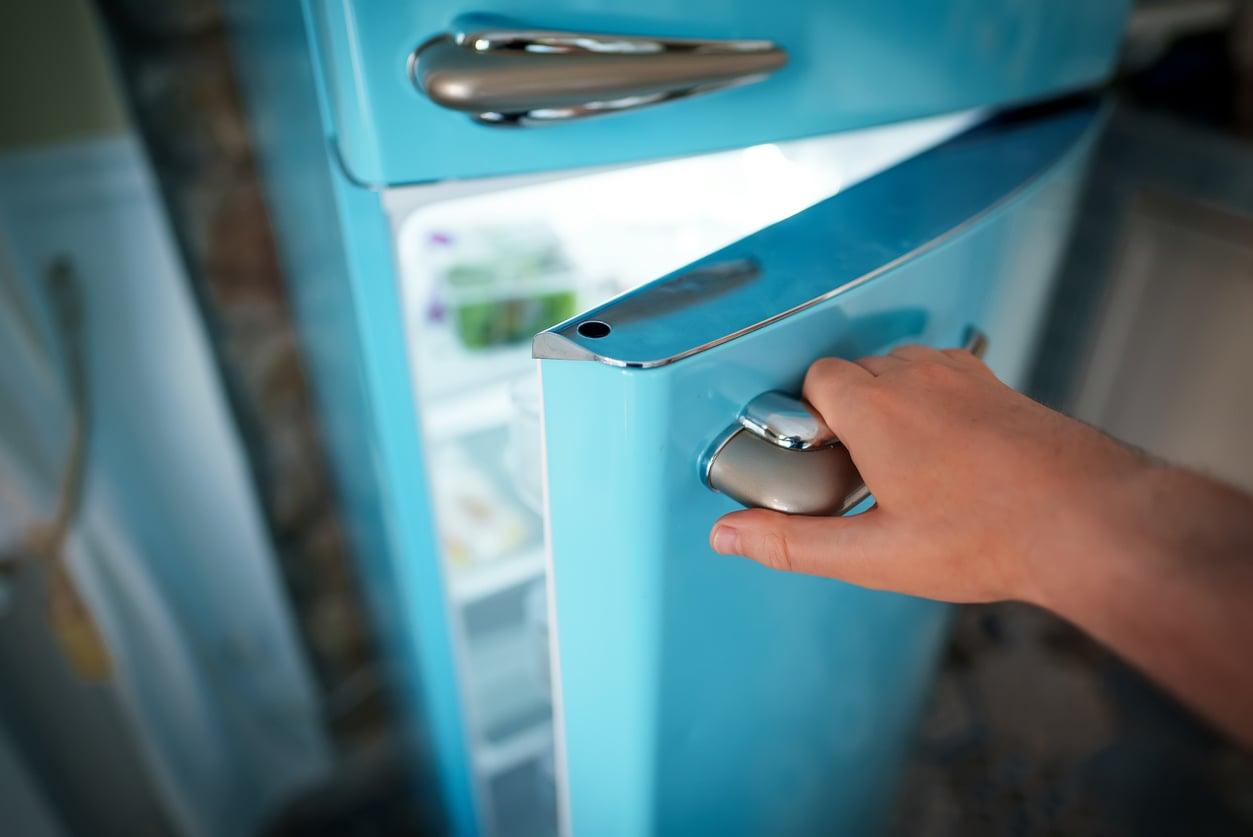
If you've been noticing water droplets forming on the inside walls of your fridge, or a small puddle collecting at the bottom of the vegetable drawer, your appliance is probably fine — it's just struggling with excess moisture. The good news? There's a fix that costs nothing, takes thirty seconds, and you almost certainly already have everything you need in your kitchen drawer. Here's how it works.
Why your fridge gets so damp in autumn
There's always a temperature gap between the warm air in your kitchen and the cold air inside your fridge. Every time you open the door, humid room air rushes in, hits the cold surfaces, and condenses instantly. In autumn, this effect is noticeably worse — indoor air becomes more humid than it is in summer with the AC running or in winter with the heating on full blast. On top of that, we tend to load the fridge with freshly washed vegetables and fruit more often this time of year, which brings even more moisture in with it.
The paper towel trick that actually works
The solution is almost embarrassingly simple: place a dry paper towel or a sheet of kitchen roll on one of the shelves inside your fridge — ideally near the spot where condensation tends to gather most. The paper quietly absorbs excess moisture from the air before it can settle on the cold surfaces. No special product needed, no gadget to buy. Just an unscented, everyday paper towel, swapped out every few days once it looks visibly damp.
This works especially well on the shelf just above the vegetable drawer and on the inside of the door, where condensation tends to be worst. If your fridge is particularly prone to moisture build-up, place one in two or three spots at once.
A few other things worth keeping in mind
- Don't overfill the fridge. Air needs to circulate between shelves. When everything is packed in too tightly, moisture gets trapped in one spot and even a paper towel can't keep up.
- Let hot food cool down before putting it in. Warm pots and containers release a huge amount of steam as they cool inside the fridge, causing rapid condensation on the walls.
- Check the door seal. A worn or poorly fitting rubber gasket lets humid air leak in constantly — and no paper towel will be able to compensate for that on its own.
- Don't leave the door standing open longer than necessary. Every extra second means more humid air flowing in and eventually settling as moisture on the shelves.
When it's time for a deeper fix
If the inside of your fridge stays wet despite the paper towel trick, check the small drainage hole on the back wall — this is where condensed water is supposed to flow out and collect in a small tray. If it's blocked, water has nowhere to go and pools on the shelves instead. A cotton swab or a soft, thin brush gently worked through the opening is usually enough to clear it.
It's also worth checking whether your fridge thermostat is set too cold, which significantly increases condensation. Raising the temperature by just a degree or two often makes a noticeable difference without affecting how well your food stays fresh.
A small habit with a real payoff
The paper towel method isn't magic — it simply intercepts airborne moisture before it gets the chance to settle on cold surfaces. But that small act of prevention makes a real difference in autumn, when the air is naturally damper: less dripping on the shelves, less wiping up, and no more soggy puddle at the bottom of the vegetable drawer. Try it tonight — you'll notice the difference within a day or two.
Why does my fridge get more condensation in autumn than other seasons?
Autumn indoor air tends to be more humid than summer air cooled by AC or winter air dried out by heating. That extra humidity enters the fridge every time you open the door and condenses on the cold interior surfaces, making the problem more noticeable this time of year.
How often should I change the paper towel in my fridge?
Check it every two to three days. As soon as it looks visibly damp or feels wet to the touch, swap it for a fresh one. In particularly humid periods you may need to change it more frequently.
Can a paper towel really make a meaningful difference?
Yes — it won't eliminate condensation entirely, but it absorbs excess airborne moisture before it settles on shelves and in the vegetable drawer, reducing dripping and pooling noticeably. For best results, combine it with the other tips in this article, such as not overfilling the fridge and checking the door seal.
What if my fridge is still very wet even after trying this?
Check whether the drainage hole on the back wall inside the fridge is blocked — clearing it with a cotton swab often solves persistent pooling. Also consider raising the thermostat setting by one or two degrees, as an overly cold setting can increase condensation without benefiting food storage.