Somewhere in most homes there is a drawer or a box with silver in it: a set of cutlery from a grandmother, a teapot with a wobbly lid, a small dish that has gone the colour of a storm cloud. We take it out roughly twice a year, decide it is too far gone, and put it back. Then autumn arrives, we start cooking for people again, and the question returns.
The good news is that tarnish is not damage. It is a surface reaction between silver and tiny amounts of sulphur in the air, and it lifts off with far less effort than the black suggests. The bad news is that most of the drastic methods circulating online remove tarnish and a little of the silver with it, which is a one-way trip. So start gentle, always.
Wash first, polish second
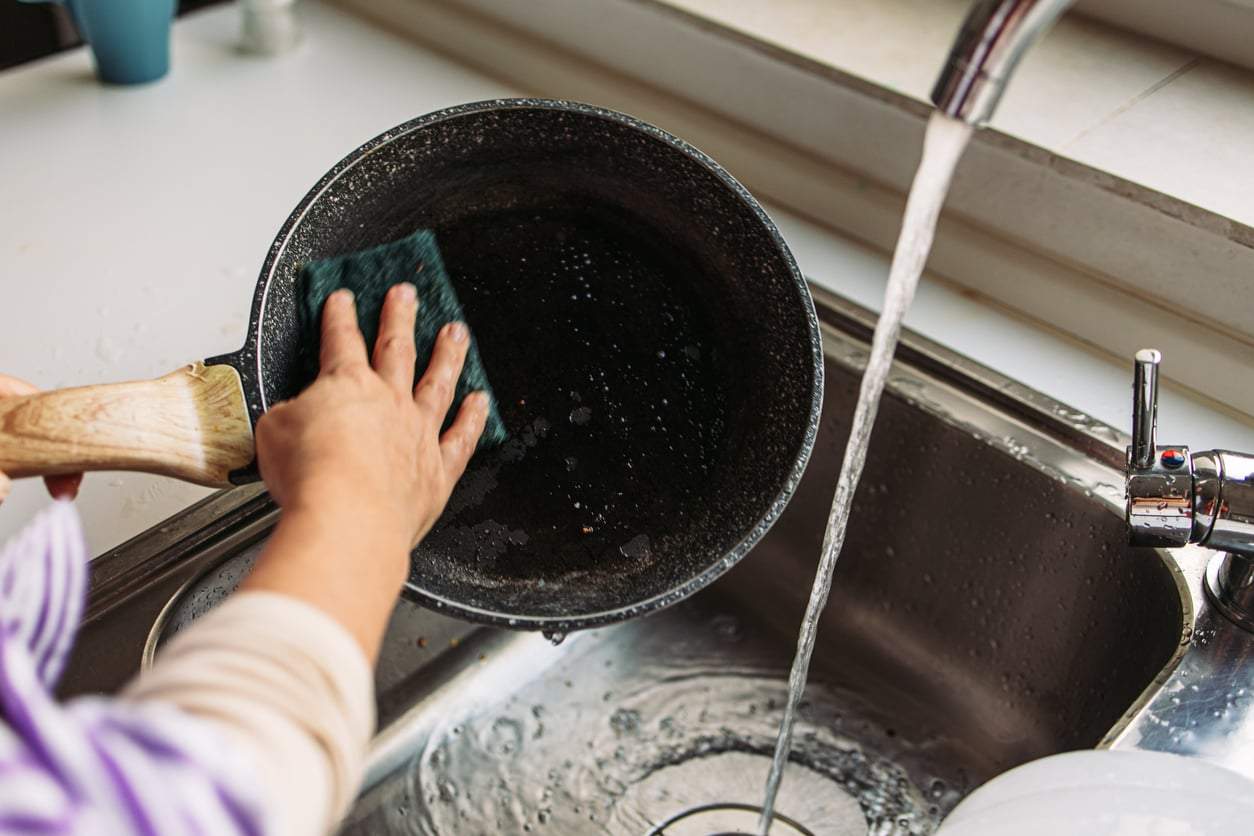
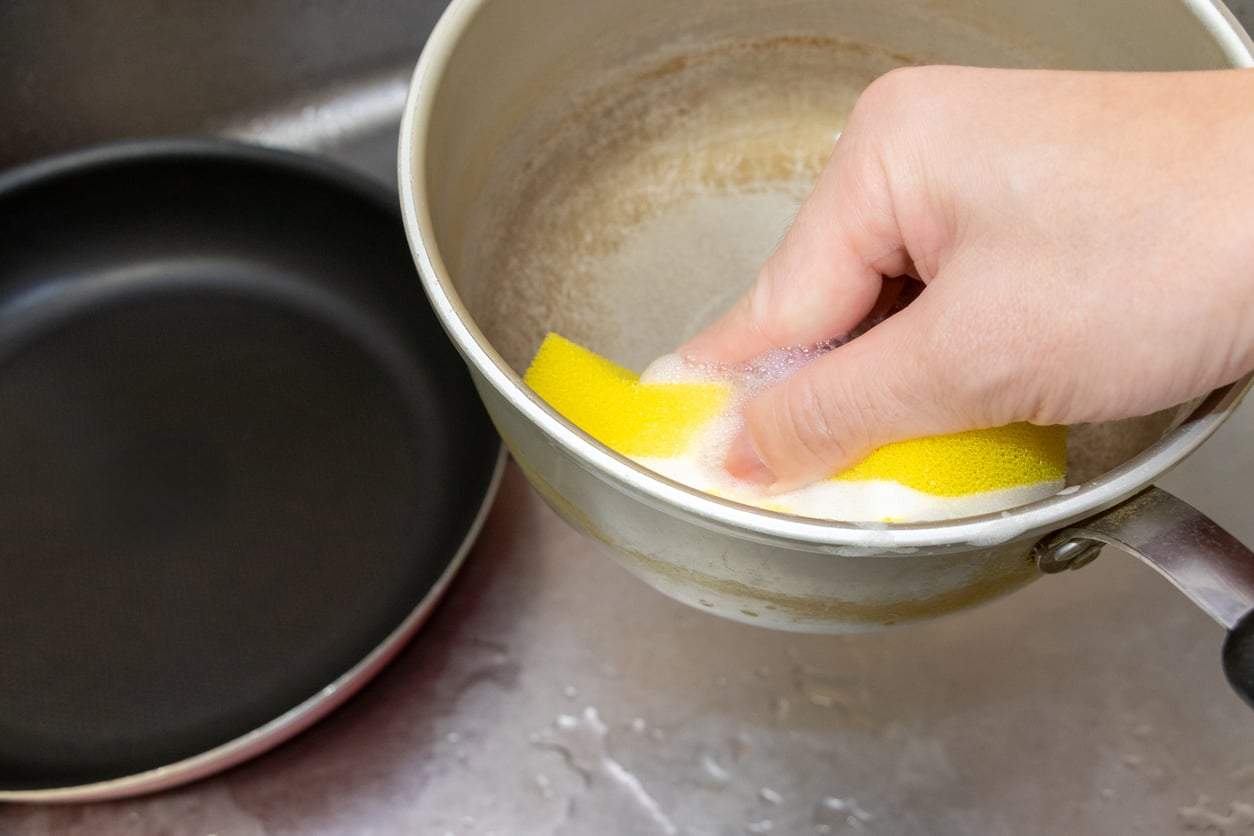
Before you reach for anything clever, wash the piece in warm water with a small amount of mild washing-up liquid, using a soft cloth or your hands rather than anything abrasive. A surprising amount of what looks like tarnish is actually greasy film and dust. Rinse in clean warm water and dry immediately and thoroughly with a soft towel, because water spots on silver set fast and drip marks left to dry are their own kind of mark.
Only then assess what's left. If the piece is lightly dulled, a proper silver polishing cloth, worked in straight lines rather than circles, will often be the entire job. Circles create a swirl pattern that catches the light; straight strokes along the length of a handle or the curve of a bowl look far more natural.
For heavier tarnish, the gentlest effective route
For solidly blackened cutlery, the kitchen method many households swear by is a bath: line a heatproof bowl with aluminium foil, shiny side up, lay the silver so it touches the foil, sprinkle over bicarbonate of soda, and pour in very hot water to cover. The tarnish lifts through a simple chemical exchange rather than abrasion, which is why it works on the inside of forks and the crevices of decorative handles where no cloth reaches. Rinse well and dry completely.
Important caveats, though, and they matter. Do not use this on anything with a deliberately oxidised pattern, because the dark recesses are part of the design and once they're gone the detail flattens out. Keep it away from pieces with knife blades glued into handles, with pearls, shell, amber, coral, turquoise or any stone set in adhesive, and from anything antique and valuable enough that you'd regret guessing. For those, a specialist is the sensible call.
What to avoid entirely
Toothpaste, scouring powder and abrasive sponges all work in the sense that the black comes off, and all of them leave fine scratches that dull the surface permanently. Dishwashers are hard on silver and silver plate, and are particularly unkind to hollow-handled knives, where the heat can loosen the filling inside. Rubber bands, rubber gloves left in contact, wool and newspaper all accelerate tarnishing, so none of them belong in a storage box.
Keeping it bright once you've got there
The single most effective habit is using it. Silver that goes into regular rotation and gets washed and dried promptly tarnishes far more slowly than silver that sits in a dark cupboard. After a meal, rinse anything that has touched eggs, mustard, mayonnaise, onions or salt fairly quickly, since these are the usual culprits behind a fork that looks fine and a spoon that has gone yellow-brown overnight.
For storage, wrap pieces in tarnish-resistant cloth or acid-free tissue and keep them in a closed drawer or box, ideally somewhere dry. A stick of chalk tucked into the box helps by absorbing moisture. Avoid sealing damp silver into plastic bags, which traps exactly the conditions you're trying to escape.
Can I clean silver with toothpaste?
It is one of the most repeated tips and one of the ones I would skip. Toothpaste is mildly abrasive by design, so it takes tarnish off quickly and leaves a network of tiny scratches that make the surface look permanently cloudy in bright light. Warm soapy water, a proper polishing cloth, or the foil-and-bicarbonate bath will get you further with no lasting cost.
Why does my silver tarnish again so quickly?
Usually because of what it is stored with and where. Damp air, rubber, wool, newspaper and cardboard all speed the process, as does a kitchen where a lot of eggs and onions are cooked, and central heating that swings between damp and dry does not help either. Dry everything completely, store it wrapped in the right cloth somewhere stable, and you'll find the interval between polishes stretches out considerably.