There is a particular moment that tells you it is time: you open the door after a cycle and get a warm, slightly swampy breath of air instead of nothing at all. Or you lift out a glass that came from a hot wash and it has a chalky film on it, so you rinse it at the tap like a person whose dishwasher does not work. The machine hasn't broken. It has simply been cleaning everything in your kitchen except itself, for a long time, and the stuff it has been catching has nowhere to go.
Start with the filter, because that's usually the whole story
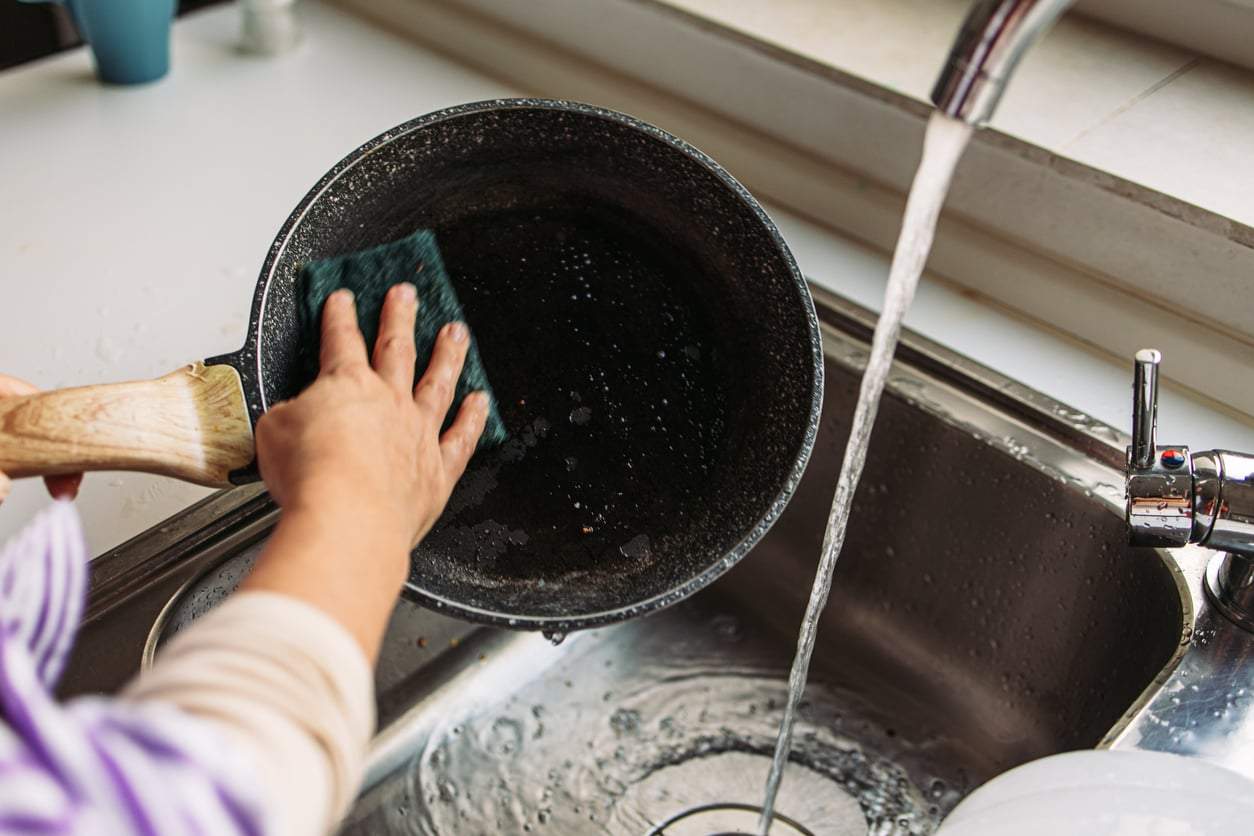
At the bottom of the machine, under the lower rack, there is a cylindrical filter that twists out, usually sitting in a flat mesh plate that lifts out after it. If you have never removed yours, prepare yourself. Take both parts to the sink, tip out the solids into the bin rather than down the plughole, and wash them in hot water with washing-up liquid and an old toothbrush, working into the mesh from both sides. Hold the filter up to the light afterwards: you should see through it evenly. Rinse, twist back in firmly until it locks, and check it is seated — a loose filter lets debris straight back into the pump.
If smell is your main complaint, this step alone solves it most of the time. Food trapped in a damp, warm filter is the single most common cause of a dishwasher that greets you badly.
The parts almost nobody lifts
Next, the spray arms. They unclip or unscrew — the lower one usually lifts straight off, the upper one often turns a quarter-turn. Spin them first with a finger: they should move freely. Hold each one up and look at the jets. If any are blocked with a seed, a grain of rice or lime scale, poke them through with a cocktail stick or a straightened paperclip, then rinse under a running tap so the debris flushes out of the arm rather than deeper into it.
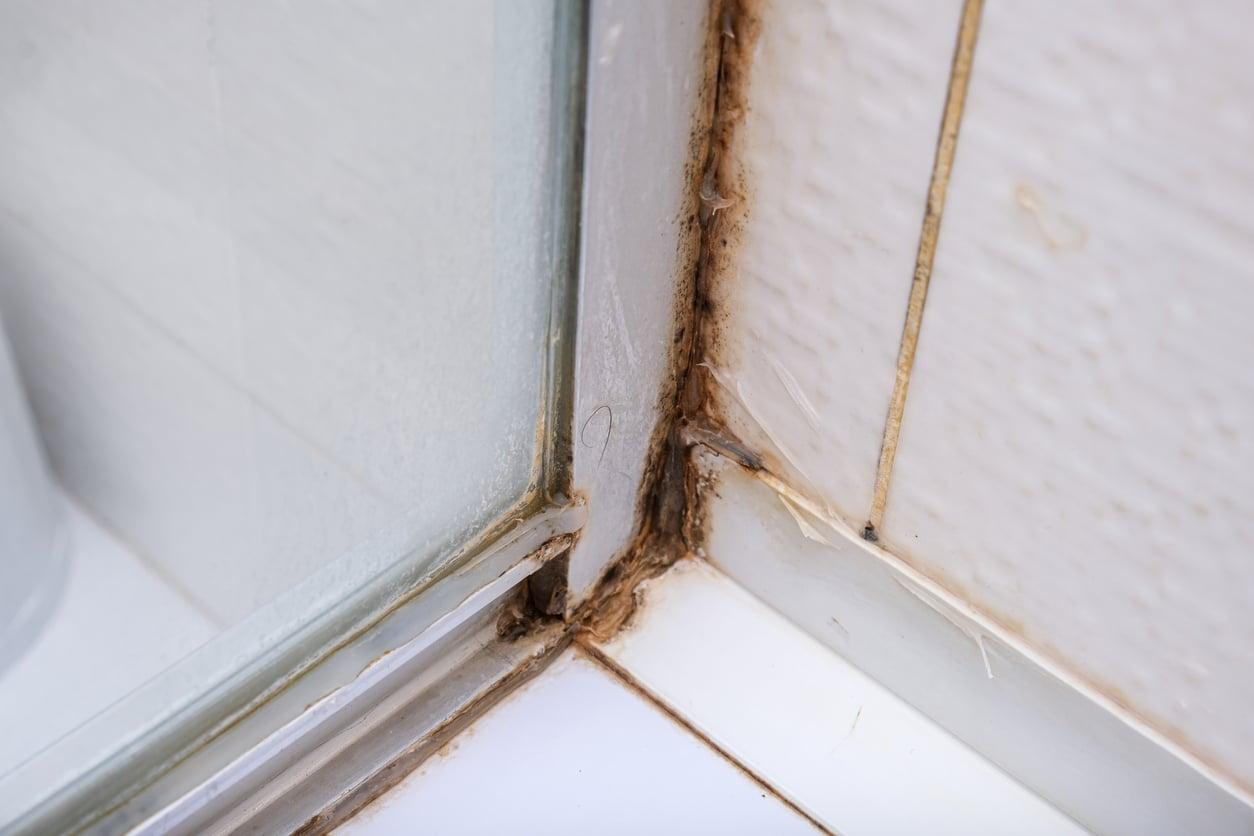
Then the door seal. Run a cloth wrung out in hot soapy water all the way around the rubber gasket, getting into the fold at the bottom corners where grey residue collects. Do the same along the lip of the door and the bottom edge of the opening, below the seal, where water never actually reaches during a cycle. Finally, wipe the detergent dispenser flap and the little hinge — congealed powder there stops it opening properly, which means your detergent sits in the drawer while the wash runs.
The empty hot cycle, done properly
With everything reassembled, run the machine empty on the hottest, longest programme. Put a heatproof bowl of white vinegar on the top rack, or use a dedicated dishwasher cleaner according to its instructions — do not use both at once, and do not mix vinegar with bleach-based products. Some machines with delicate seals do better with a proprietary cleaner, so check your manual if you are unsure.
Afterwards, leave the door ajar for an hour. Half the smell problem in a dishwasher is that it is shut tight while still warm and damp, every single day.
Why do my glasses come out cloudy?
There are two different kinds of cloudiness and they need different responses. Hard-water film is mineral deposit sitting on the surface: it will usually come off if you soak the glass in white vinegar for a few minutes, and the fix is to keep the rinse aid topped up, use the salt reservoir if your machine has one, and check you are not under-dosing detergent for the water in your area. Etching is different — it is permanent damage to the glass itself, often from very hot washes, over-dosing detergent or extremely soft water, and it will not rinse away. If the vinegar test changes nothing, assume etching, drop the temperature on everyday loads and wash your good glasses by hand.
How often should I actually be doing this?
The filter is a monthly job in a busy family kitchen, and more often if you rarely scrape plates before loading. The spray arms, seal and empty hot cycle suit a quarterly rhythm — write it on the calendar at the change of each season so it does not depend on you noticing a smell. Between those, a quick wipe of the door seal when you wipe down the worktop costs nothing and prevents most of the grime from establishing itself at all.