The parts almost nobody lifts
Next, the spray arms. They unclip or unscrew — the lower one usually lifts straight off, the upper one often turns a quarter-turn. Spin them first with a finger: they should move freely. Hold each one up and look at the jets. If any are blocked with a seed, a grain of rice or lime scale, poke them through with a cocktail stick or a straightened paperclip, then rinse under a running tap so the debris flushes out of the arm rather than deeper into it.
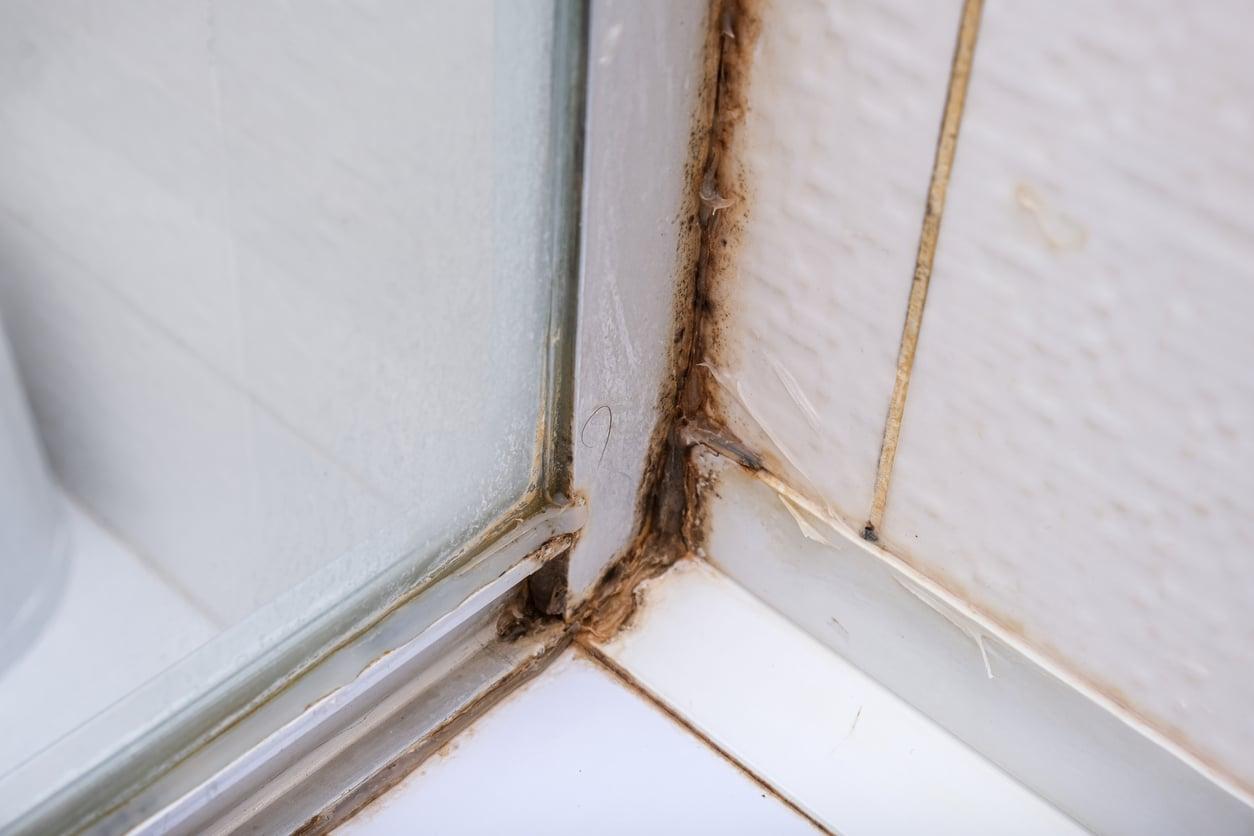
Then the door seal. Run a cloth wrung out in hot soapy water all the way around the rubber gasket, getting into the fold at the bottom corners where grey residue collects. Do the same along the lip of the door and the bottom edge of the opening, below the seal, where water never actually reaches during a cycle. Finally, wipe the detergent dispenser flap and the little hinge — congealed powder there stops it opening properly, which means your detergent sits in the drawer while the wash runs.
The empty hot cycle, done properly
With everything reassembled, run the machine empty on the hottest, longest programme. Put a heatproof bowl of white vinegar on the top rack, or use a dedicated dishwasher cleaner according to its instructions — do not use both at once, and do not mix vinegar with bleach-based products. Some machines with delicate seals do better with a proprietary cleaner, so check your manual if you are unsure.