I have cooked in a galley kitchen the width of a corridor, a farmhouse kitchen with a table in the middle, and a rented flat where the only storage was two wall cupboards and a drawer that stuck. The kitchens that worked had nothing to do with square metres or matching containers. They worked because things lived where they were used, and the ones that made me irritable did not.
Most people organise cabinets by category, which feels logical and is subtly wrong. All the crockery together, all the tins together, all the appliances together. It photographs beautifully. Then you cook a weeknight supper and find yourself crossing the room four times before the onions are soft, because the chopping board is under the sink, the oil is by the door and the pan is in the bottom cupboard behind the slow cooker. Organise by task instead, and the kitchen starts doing half the work.
Draw the four zones before you move anything
Stand in the middle of your kitchen and mentally divide it into four jobs. Prep is wherever your main clear stretch of worktop is. Cook is the hob and oven. Wash is the sink and dishwasher. Store is everything else. Almost every kitchen, however awkward, has a version of these four.
Now allocate. Prep zone gets boards, knives, mixing bowls, scales, the colander, the peeler. Cook zone gets pans, oils, salt, cooking spoons, oven gloves, baking trays, the spices you actually use rather than the full collection. Wash zone gets cloths, detergent, drying-up things and, if there is room, everyday crockery so that unloading takes seconds rather than a lap of the room. Store zone takes the rest: tins, dry goods, the food processor, the cake tins, the enormous stockpot.
The single biggest improvement in most kitchens is moving everyday plates and bowls from a far cupboard into the cabinet nearest the dishwasher or drainer. It feels like a small thing. It removes several hundred small journeys a year.
Apply the reach test, honestly
Inside each zone, height decides everything. The shelf between your hip and your eyeline is prime property, and it should be occupied only by items you touch several times a week. Bend-down level is for heavy, infrequent things — the casserole dish, the food processor base, spare bottles. The top shelf is for seasonal and sentimental: the Christmas platter, the fondue set someone gave you, the vase collection.
Take everything out of one cabinet at a time rather than the whole kitchen, because a half-finished kitchen at 6pm is a takeaway waiting to happen. As you empty each one, put anything you cannot remember using in the last year into a box, tape it shut, write the date on it and put it somewhere out of the way. If you have not opened the box by next summer, you have your answer without the anguish of deciding in the moment.
The details that make it hold
Deep cabinets swallow things. A cheap set of clear stacking bins turns a cave into two accessible layers, and a small turntable in a corner unit rescues the oils and vinegars that otherwise migrate to the back and expire there. Vertical dividers — even a couple of tension rods or a cheap file rack — will stand your baking trays, chopping boards and pan lids on edge so you can take one without dismantling a tower.
Two habits keep the system alive. First, group by meal rather than by type wherever you can: the whole breakfast operation in one place, the baking equipment in one place, the lunchbox kit in one place. Second, when you unpack a shop, put new tins behind old ones. That one movement stops the slow accumulation of duplicates that eventually forces another reorganisation.
And resist decanting everything into identical jars unless you genuinely enjoy it. Decanting is worth it for flour, sugar, rice and pasta, which live in awkward bags. For everything else it adds a chore between shopping and eating, and chores that add friction get abandoned by October.
How do I organise kitchen cabinets in a very small kitchen?
Ruthlessly reduce duplicates first — most small kitchens are not short of space, they are storing three sieves and two sets of mixing bowls. Then go vertical: shelf risers double a shelf's capacity, hooks on the inside of cupboard doors hold measuring spoons and cloths, and a rail above the worktop frees a whole drawer of utensils. In a tight kitchen, prime-height shelves should hold only your genuine weekly rotation, and everything else can live further away.
What should go in the cabinet above the cooker?
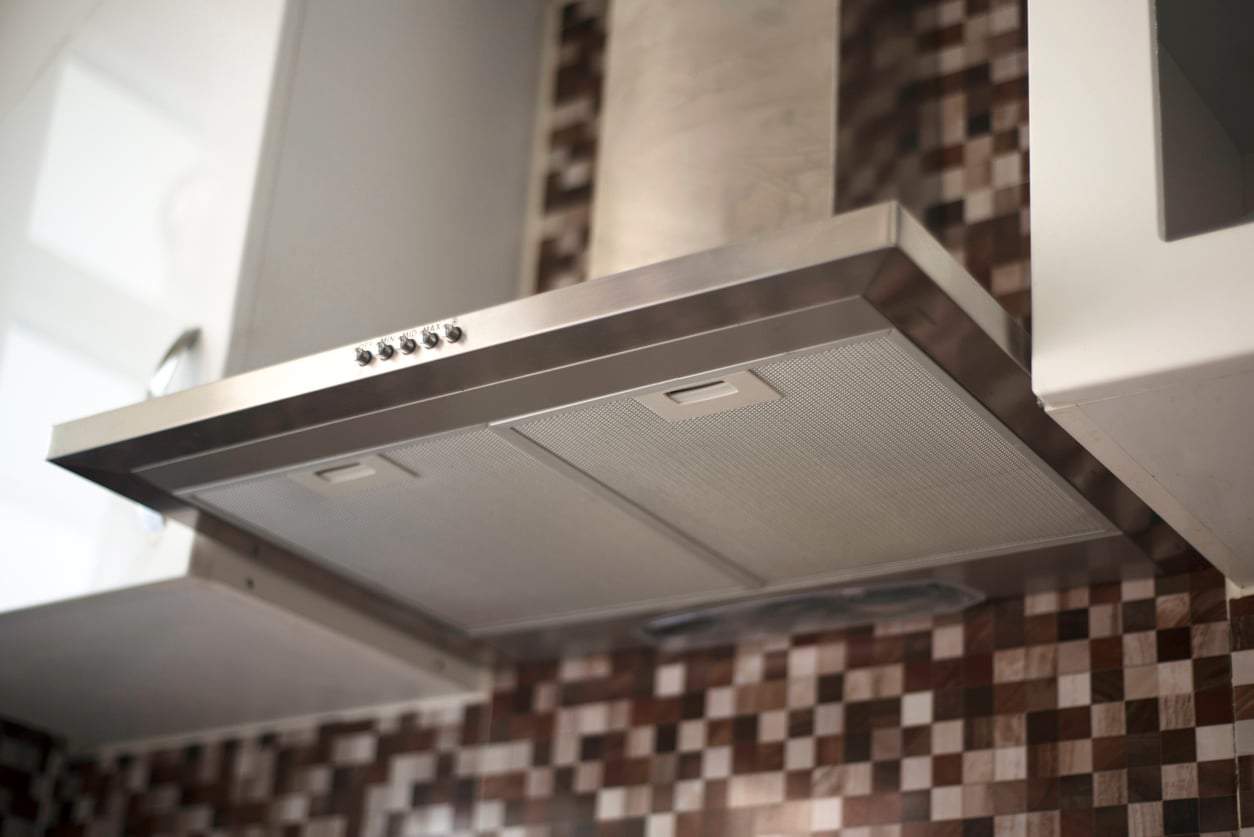
Not oils, not spices and not anything you want to stay fresh, because that cupboard gets the heat and steam rising off the hob. Use it for things that do not mind warmth and that you do not need often: spare kitchen roll, serving platters, tins of biscuits, the pan lids you rarely reach for. Keep your cooking oils in the cupboard beside the hob instead, where they are just as convenient but out of the heat.