Some kitchen tricks sound so simple, even a little suspicious, that it's easy to brush them off. Then one day you try one — maybe because you've run out of your usual cleaner — and everything changes. These six hacks genuinely work, and often better than the fancy products lining supermarket shelves. Here's a rundown worth bookmarking.
Oil on stainless steel surfaces
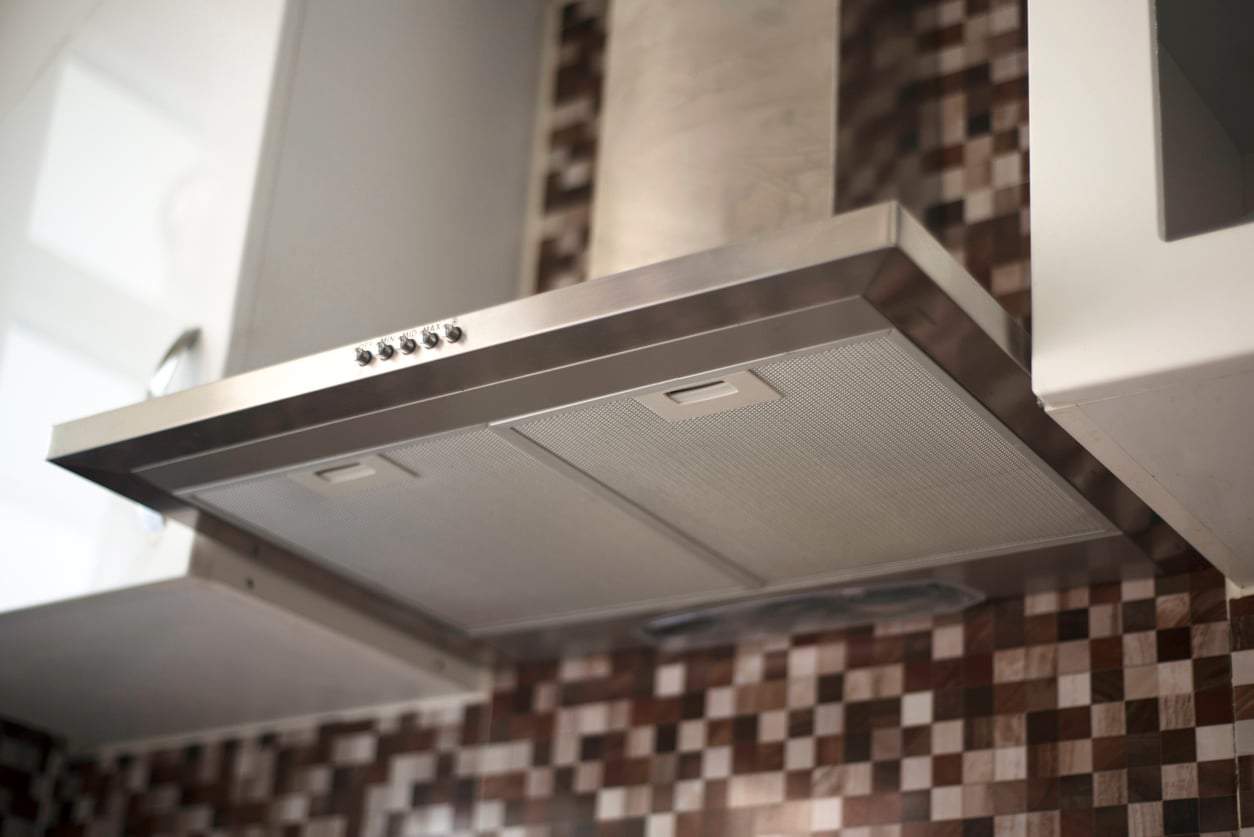
If your fridge door or sink is covered in fingerprints and smudges, put down the wet cloth. Instead, add a few drops of cooking oil or baby oil to a dry paper towel and wipe it along the grain of the metal. The surface visibly smooths out and starts to shine.
The thin oil film actually repels future fingerprints, so the surface stays cleaner for longer — no repeat wiping required.
Lemon steam in the microwave
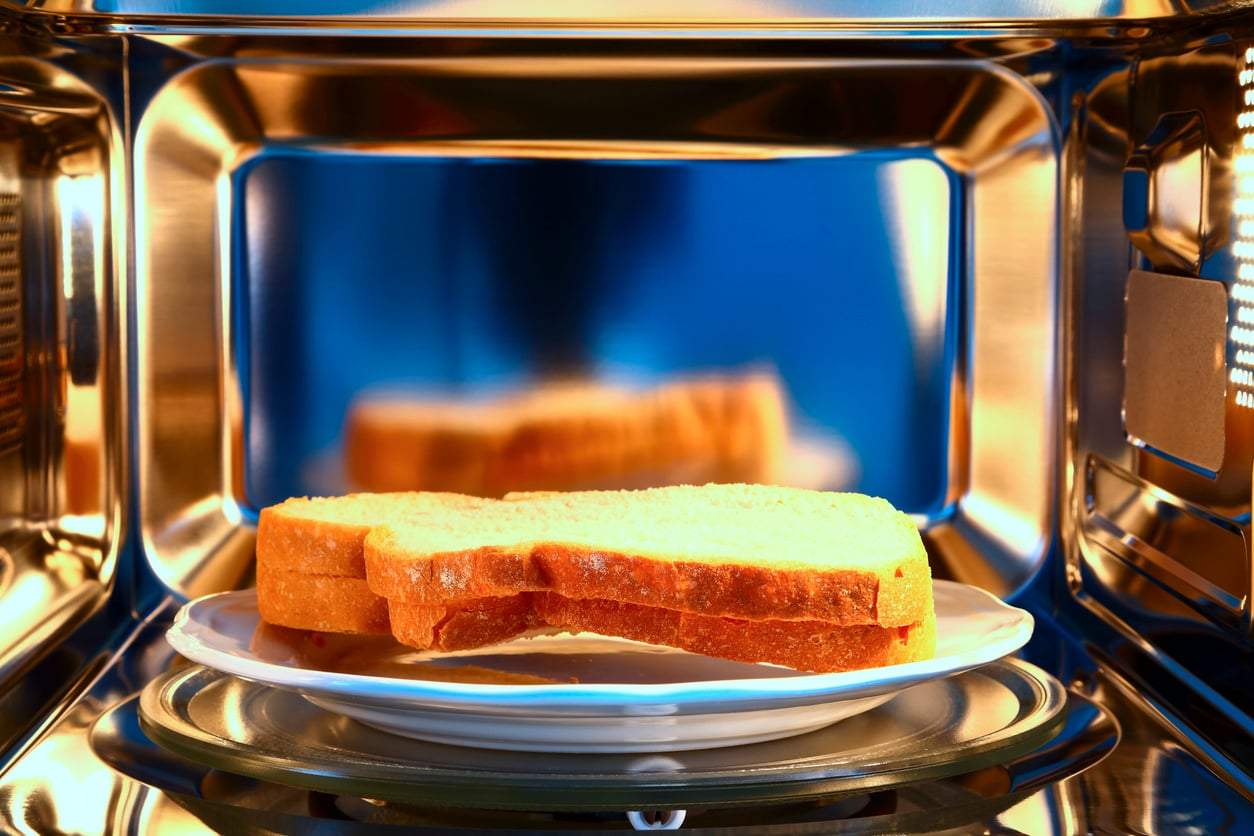
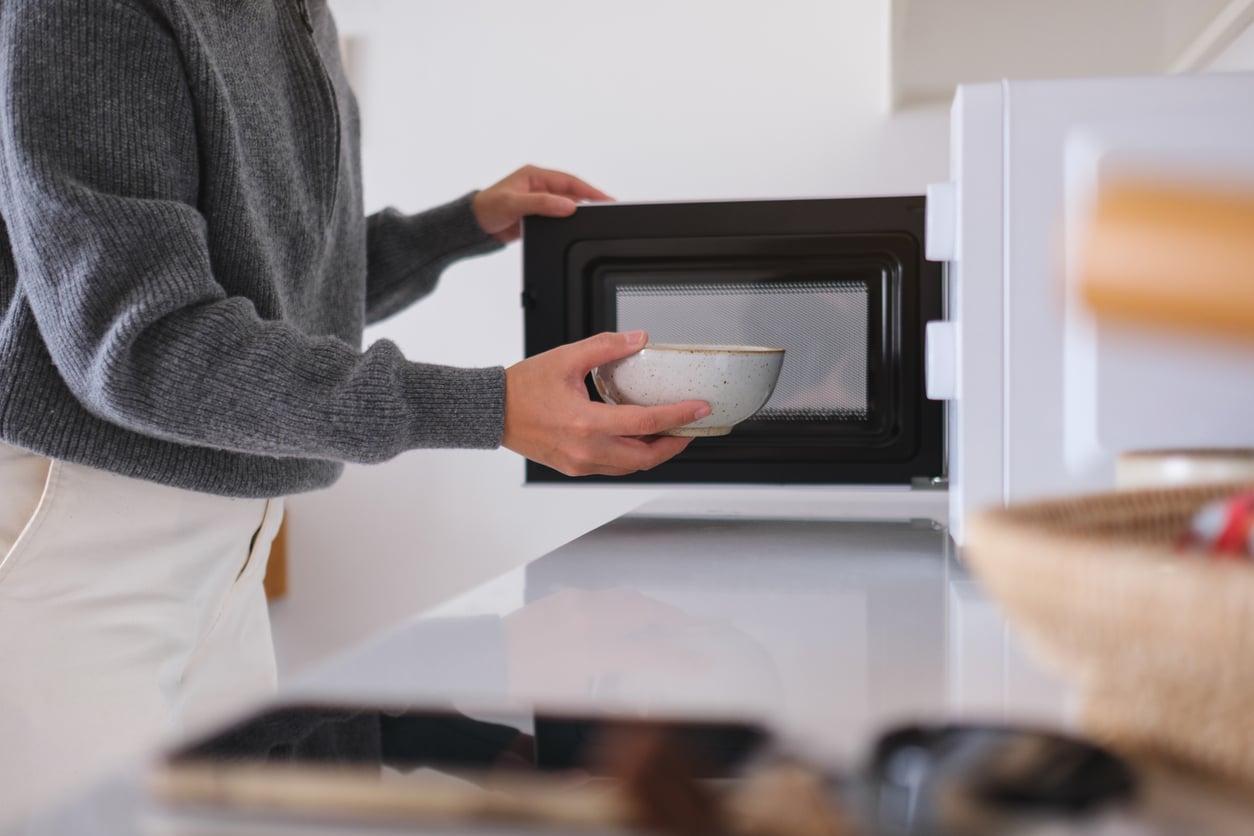
Dried, baked-on food inside the microwave is one of the most annoying kitchen problems — but you don't need to scratch at it. Slice half a lemon into a bowl of water, place it in the microwave, and heat on high for a few minutes until the water boils and fills the interior with steam. The steam loosens all those stubborn, dried-on splatters, and the lemon naturally neutralizes odors at the same time. After that, a damp cloth wipes everything clean in seconds.
Salt on a fresh stovetop spill
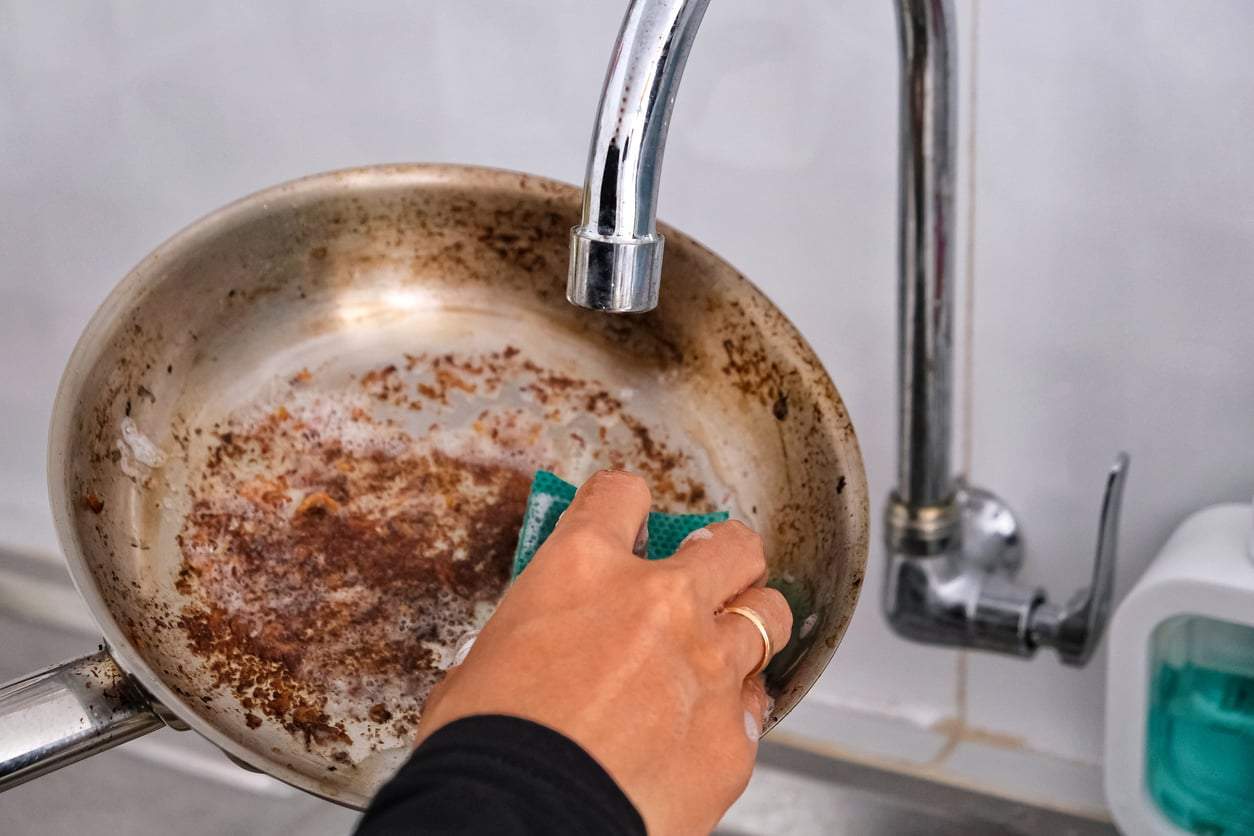
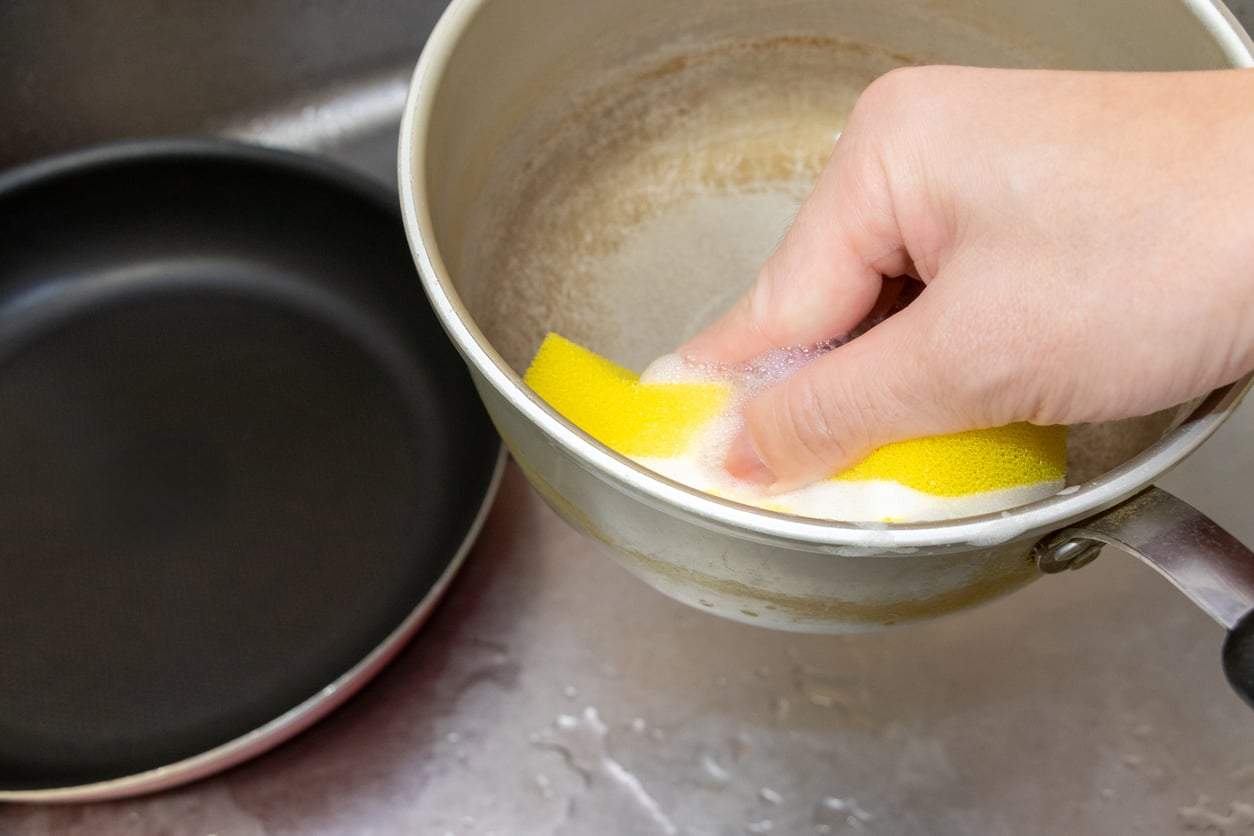
When something boils over or burns on the stovetop, don't wait for it to cool and harden. Immediately pour a generous layer of coarse salt over the spill. The salt absorbs excess oil and moisture, stops the food from burning further, and once the surface has cooled to warm, a damp sponge lifts the whole mess — salt and all — without any scrubbing.
Looking for more ways to keep your kitchen effortlessly clean? These everyday ingredients do double duty as natural cleaners.
White vinegar for limescale
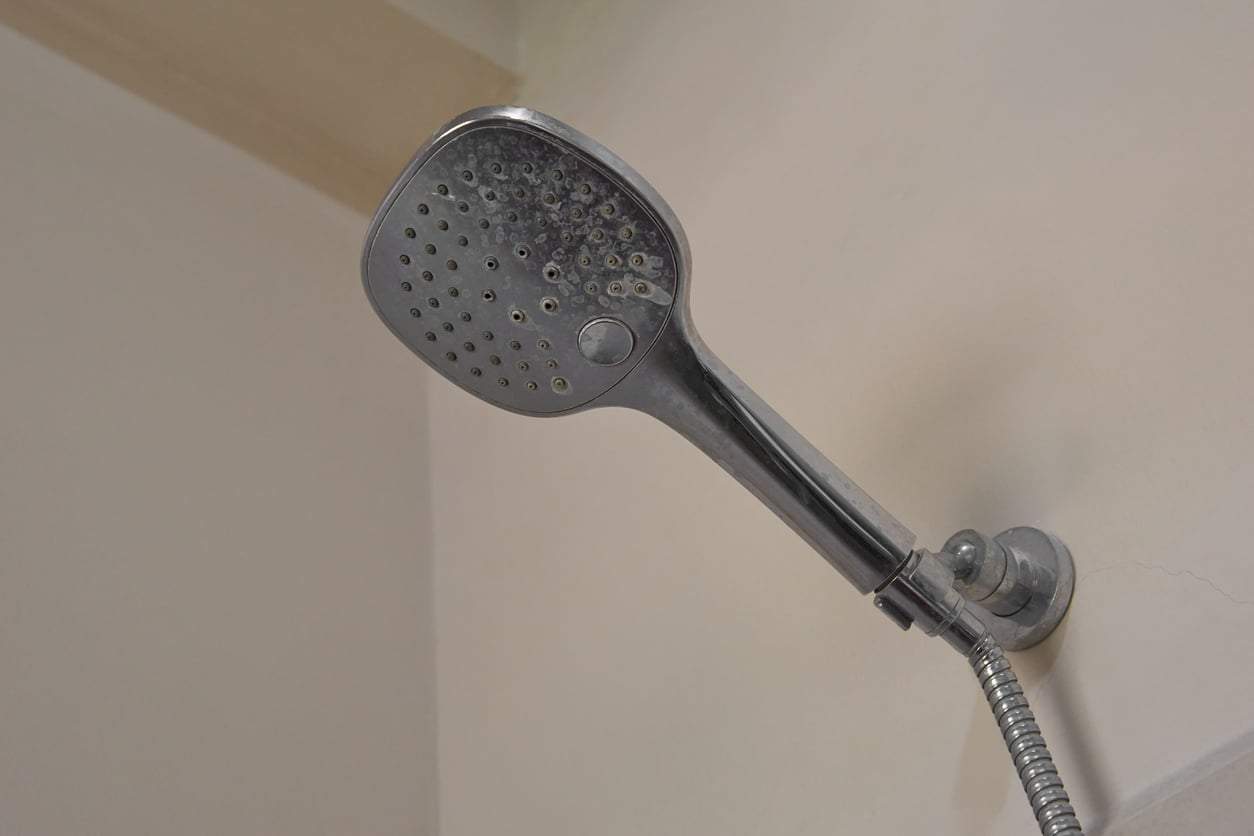
That rough, chalky white buildup inside your kettle or coffee maker is limescale — and white vinegar dissolves it effortlessly. For a kettle, mix equal parts water and white vinegar, bring it to a boil, let it sit for a few minutes, then rinse thoroughly. For a coffee maker, run the same ratio through a full brew cycle, then follow with two plain water cycles so no vinegar taste lingers in your next cup.
Parchment paper lining for drawers and cabinets
Kitchen cabinet bases and drawers get greasy, crumby, and grimy over time — and cleaning them out regularly is a chore. A cut-to-fit strip of parchment paper laid at the bottom catches crumbs, drips, and spilled spices. When it gets dirty, simply swap it for a fresh sheet. Bonus: add a few drops of your favorite essential oil to the paper and it will subtly scent the cabinet too.
Used coffee grounds for fridge and freezer odors
Baking soda is the classic odor absorber, but dried, used coffee grounds work just as well — often even better. Spoon some into a small open bowl and tuck it into a corner of your fridge or freezer. Within days, it absorbs strong smells including fish, aged cheese, and leftover curry. Swap the grounds for fresh ones about once a month to keep things fresh.
None of these tricks replace a proper deep clean, but they take the sting out of a hundred small daily frustrations — and once you start using them, you'll wonder how you ever managed without them.
Do these kitchen tricks really work?
Yes — each of these hacks works because of a simple physical or chemical principle. Oil repels fingerprints, steam loosens dried food, salt absorbs moisture, and vinegar's acidity breaks down mineral deposits.
Is it safe to clean a coffee maker with vinegar?
It is, as long as you follow the vinegar cycle with at least two plain water cycles. This removes any residual vinegar taste or smell so it won't affect your coffee.
How often should I replace the coffee grounds in my fridge?
Once a month is enough. When the grounds dry out completely and stop absorbing odors effectively, simply replace them with a fresh batch.
Can I use any type of oil on stainless steel?
Both regular cooking oil and baby oil work well. Apply only a small amount on a dry paper towel and always wipe in the direction of the metal's grain for the best result.