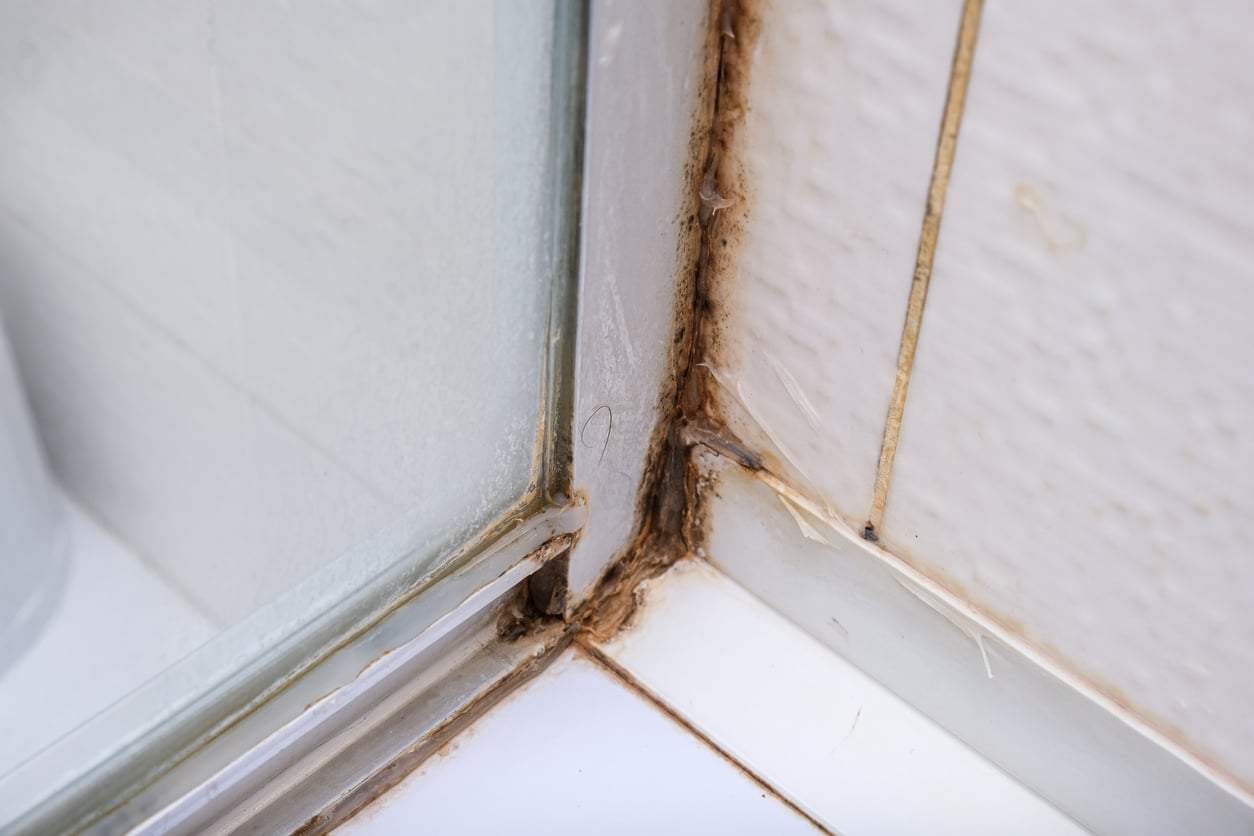
I do the glass twice a year like everybody else, stand back, admire it, and then make the mistake of looking down. The track at the bottom of the window frame is a small geological record of the year: pollen from May, a dried leaf, grit from the road, three dead flies and a grey paste of dust bound together by condensation. It is not a glamorous corner of the house. It is, however, the corner that decides whether your windows seal properly, drain properly and smell fresh once the heating goes on — which makes the first weekend of properly cold weather exactly the right time to deal with it.
Why the groove matters more than the glass
Most modern windows are designed to let a tiny amount of water in and then get rid of it again. Rain runs down the glass, collects in the bottom channel, and exits through small drainage slots — often hidden behind little flaps on the outside of the frame. When those slots silt up with dust and moss, water sits in the channel instead of leaving. It soaks the seal, it wicks into the join, and on cold mornings it turns into that puddle on the sill you keep blaming on the weather.
The rubber seal around the opening casement has a related job: it needs to be clean and supple to compress evenly when you close the window. Grit baked into the seal means the window never quite shuts flush, which means draughts, which means you turn the heating up. Thirty minutes with a cloth genuinely does more for a cold room than another blanket.
The half-hour method, window by window
Start dry, always. Wet dust becomes mud and mud goes everywhere. Vacuum the channel with the narrow crevice nozzle, then go along it with a dry paintbrush or an old toothbrush to lift what the nozzle missed, and vacuum again. Only now reach for water.
Warm water with a squeeze of washing-up liquid is enough for ninety per cent of this. Dip the toothbrush, scrub along the groove, and for the corners — where the worst of it compacts — wrap a thin cloth around the end of a chopstick or a butter knife and run it right into the angle. Cotton buds are useful for the final millimetre. Wipe everything out with a damp microfibre cloth, then go over it with a dry one, because leaving moisture in the channel on a cold night rather defeats the purpose.
If there is a stubborn chalky build-up, let a little warm soapy water sit in the channel for ten minutes to soften it rather than attacking it with anything abrasive. Scratched plastic frames collect dirt faster afterwards, so patience beats force here.
The two things to do before you move on
First, find the drainage slots. Open the window and look along the outer edge of the bottom frame for small rectangular openings, sometimes behind a hinged cover. Clear them with the toothbrush — not with wire, which can damage the channel — then pour a cup of water into the inside track and watch it leave. If it does not leave, that is your actual problem, and it is worth sorting now rather than in January.
Second, clean the rubber seal with a cloth wrung out in warm water, then run your finger around it. It should feel soft and springy. If it feels dry and chalky, a very light wipe of a silicone-based rubber conditioner keeps it flexible through the cold months; avoid oily or solvent-based products, which can make rubber swell or perish.
How often do window tracks really need doing?
Twice a year is plenty for most homes — once in spring after the pollen has finished, and once in autumn before the heating season begins. If you live on a busy road, above a building site, or you open your windows wide every day in summer, you will see the difference by doing the bottom channel of the most-used windows quarterly. It takes about five minutes per window once the big clean is behind you.
What should I do about black spots on the window seal?
Small spots of mould on a seal usually mean condensation is sitting there overnight rather than anything structural, and they can often be wiped back with a dedicated mould cleaner used exactly as the label instructs, with the window open and gloves on. Afterwards, tackle the cause: wipe the morning condensation off the glass and frame, keep trickle vents open, and air the room properly for a few minutes each day. If mould keeps returning over a large area, or anyone in the house has asthma or other breathing issues, get a professional to look at the ventilation rather than scrubbing it again and again.