Bien Logo

Drying Laundry Indoors Without Turning the Flat Into a Swamp

Lena Hartley4 min read
Share:
Drying Laundry Indoors Without Turning the Flat Into a Swamp — Household
In this article

From roughly now until March, the washing lives indoors. On the airer in the hall, over the bannister, draped on the radiator in the back bedroom because that's where there was space. And then in February someone notices a grey bloom in the corner behind the wardrobe and blames the building.

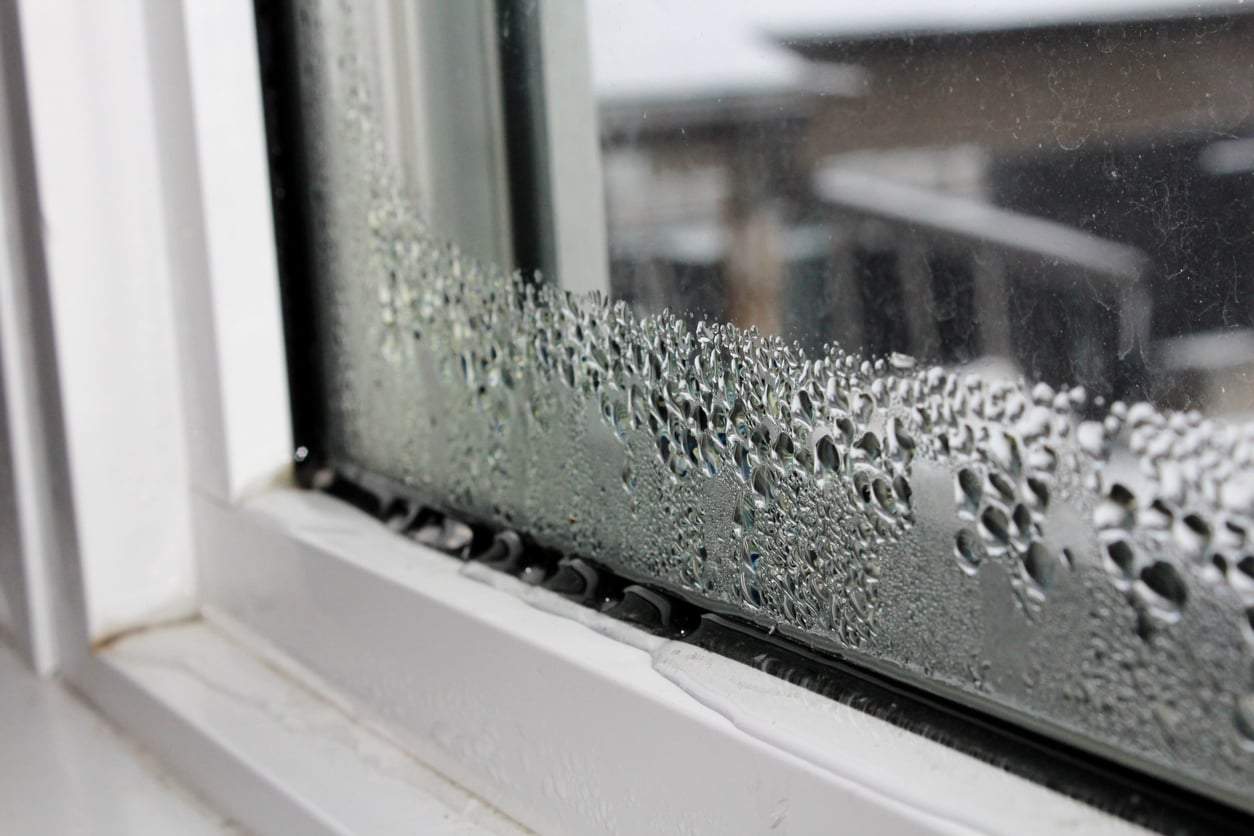
The building is probably not the problem. A load of washing comes out of the machine holding a serious amount of water, and when it dries, every drop of that goes into the air of your home. If the air has nowhere to take it, it finds the coldest surface available — a window, an external wall, the back of a bookcase — and turns back into water there. Indoor drying isn't the villain. Indoor drying with the doors and windows shut is.

Start at the machine, not the airer

The cheapest dryer you own is the spin cycle. Clothes that come out at a low spin go onto the rack carrying far more water than clothes spun fast, and all of that extra has to evaporate into your rooms. For towels, bedding, jeans and anything else robust, use the highest spin your machine offers, and if you've got the patience, run a second spin on a heavy load before you hang it.

Then shake each item out and hang it with air space around it. Things folded double over a rail dry from the outside in and stay damp in the fold for a day and a half, which is exactly how towels start smelling. Pegs along the top rail, garments spaced like a hedge rather than stacked like a sandwich.

Related reads

Drying Laundry Indoors in Winter Without Making the Whole Flat Damp — Household

Drying Laundry Indoors in Winter Without Making the Whole Flat Damp

When the garden line is out of action for four months, all that water has to go somewhere — usually into your walls. Here is how to dry a full load indoors and keep the air breathable.

Lena Hartley•
Why the Spare Duvet Smells of the Cupboard — and How to Store Bedding So It Doesn't — Household

Why the Spare Duvet Smells of the Cupboard — and How to Store Bedding So It Doesn't

You pull out the winter duvet or the guest bedding and there it is: that flat, closed-in smell. Here's what causes it, how to rescue textiles that already have it, and the storage habits that keep linen smelling of nothing at all.

Lena Hartley•
How to Clean a Washing Machine So Your Towels Stop Smelling Damp — Household

How to Clean a Washing Machine So Your Towels Stop Smelling Damp

If clean laundry comes out of the drum already smelling faintly sour, the machine is usually the culprit — not the detergent. Here is the hour of work that resets it, and the five-second habits that keep it fresh.

Lena Hartley•
How to Clean Silver at Home Without Scrubbing the Shine Off It — Household

How to Clean Silver at Home Without Scrubbing the Shine Off It

Tarnished candlesticks, a blackened christening cup, cutlery you only use twice a year — here's how to bring silver back gently, and which shortcuts quietly ruin it.

Nora Bellamy•
Why Your Winter Coats Smell of the Cupboard — and How to Fix It Before You Wear Them — Household

Why Your Winter Coats Smell of the Cupboard — and How to Fix It Before You Wear Them

That faint stale note when you pull out last year's wool coat isn't dirt — it's stored air and trapped moisture. Here's how to freshen outerwear properly, and what to do so it doesn't happen next year.

Sofia Marlowe•
How to Clean an Oven Without the Fumes — The Slow Method That Does the Work for You — Household

How to Clean an Oven Without the Fumes — The Slow Method That Does the Work for You

Roasting season has started and the glass door has gone brown. Here is the patient, low-drama way to clean an oven using what is already in your cupboard — plus the parts you should never scrub.

Sofia Marlowe•