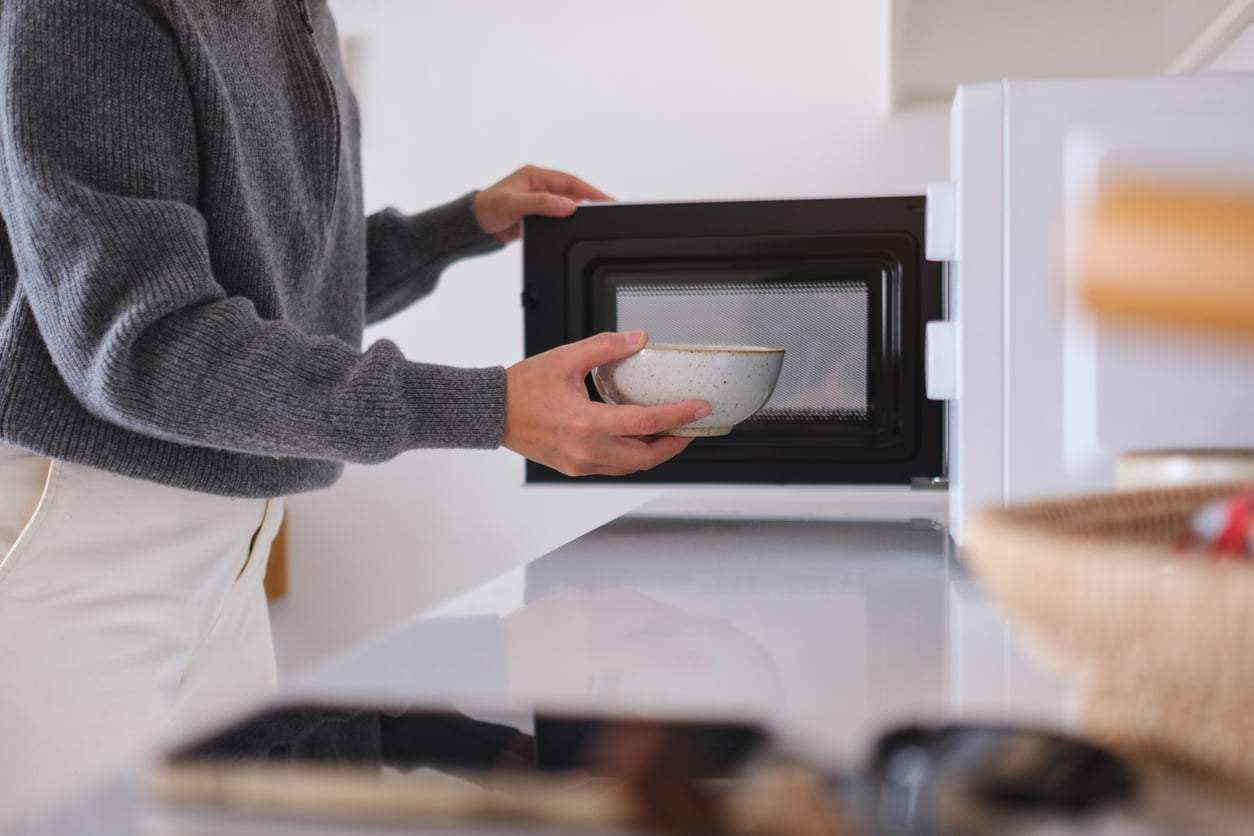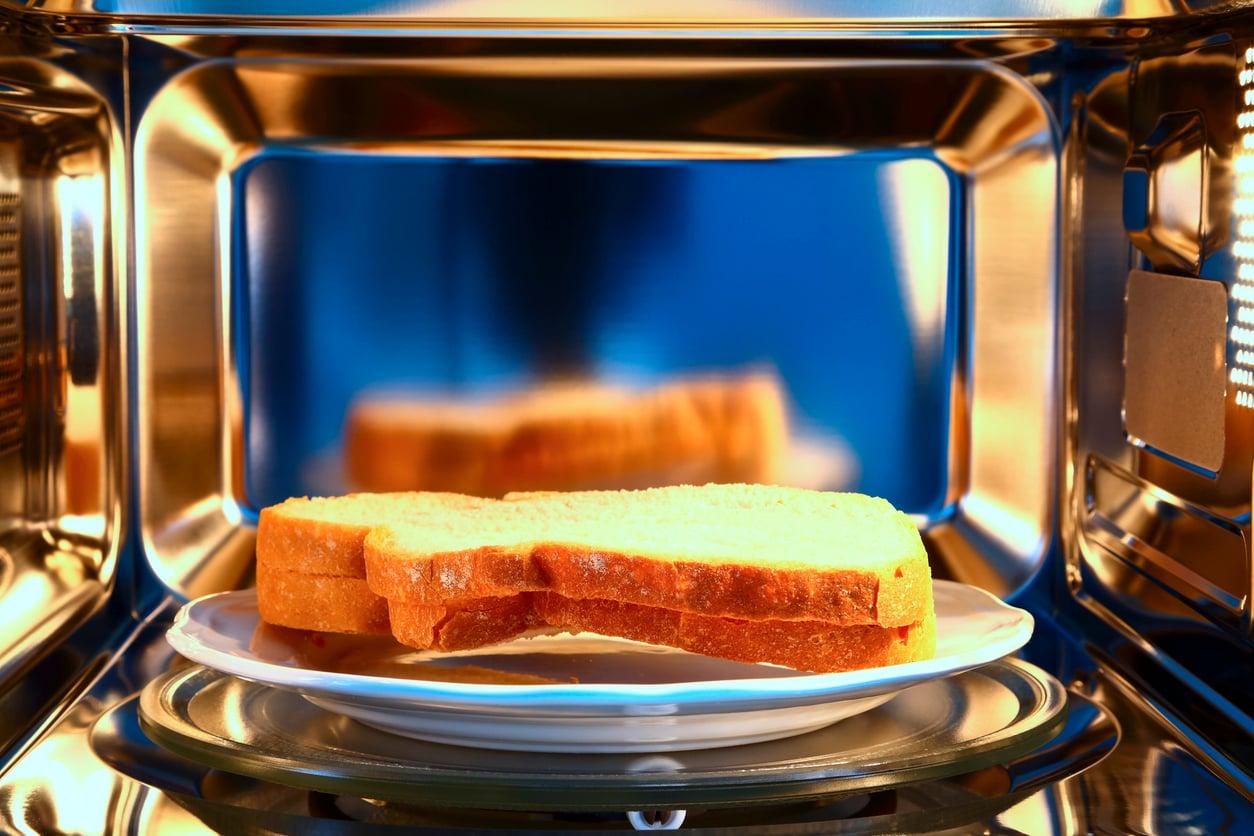
The microwave is the fastest way to warm up bread or a bread roll — but more often than not, what comes out is dry, tough, and completely unappetizing. Sound familiar? The good news is you don't have to give up on microwave reheating altogether. You just need one small trick to change everything.
Why does the microwave dry out bread in the first place?
Microwaves don't heat food the way a conventional oven does. Instead, they excite water molecules inside the food, and that movement generates heat. The problem? The moisture inside bread heats up fast and evaporates quickly — especially if you leave it in too long. The outside and edges dry out while the inside may still be unevenly warm.
There's another factor at play too. The starch in bread naturally changes as it sits, which is why bread gradually loses its softness even when stored correctly. The microwave can make that already-drier texture even more noticeable by blasting it with too much heat, too fast.
Steam is the secret — not just heat
The key to keeping reheated bread soft is making sure it doesn't lose too much moisture during the process. If you introduce a little steam while warming it up, you dramatically reduce the chance of it drying out.
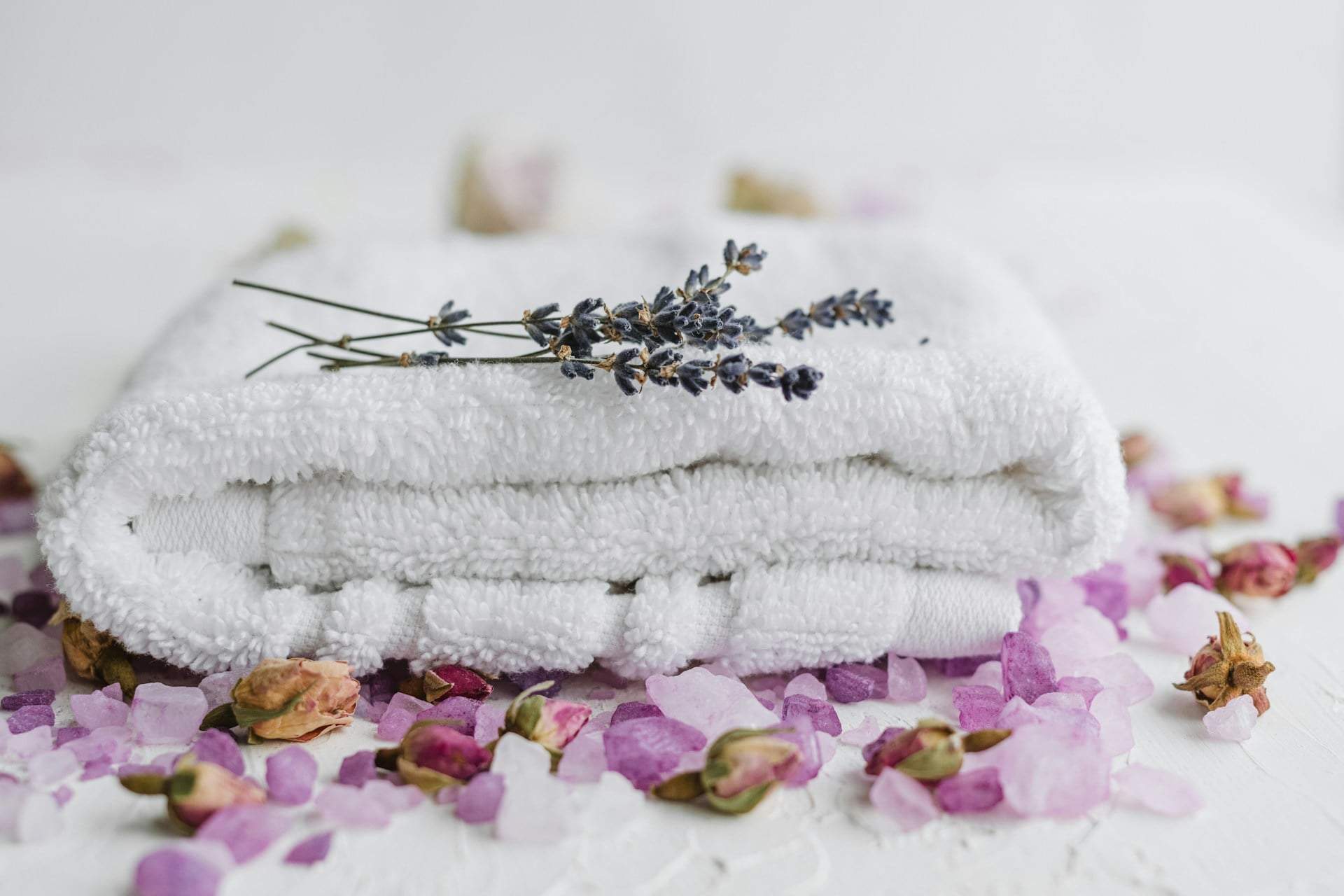
And you don't need any special equipment to do it. Simply wrap your bread or roll in a slightly damp paper towel — wet it, then wring it out well so it's just barely moist. The steam released during heating helps preserve the bread's moisture while it warms through.
How to reheat bread in the microwave the right way
- Dampen a paper towel, wring it out thoroughly, and wrap it around your slice of bread or roll.
- Place it on a microwave-safe plate and heat in short, 10–15 second bursts.
- Check the texture after each burst — bread can overheat surprisingly fast.
- Repeat in short intervals as needed, but never microwave it for a long stretch all at once.
For larger pieces like a baguette, the gradual approach is especially important. The outer crust can dry out and toughen long before the center reaches the right temperature.
When is the microwave the wrong choice entirely?
If you're after a truly crispy crust — think a fresh-from-the-bakery roll or a crackling baguette — the microwave simply can't deliver that. It warms the bread quickly, but it can't recreate the texture that an oven can.
In that case, your best bet is a conventional oven or an air fryer. Just a few minutes at moderate heat will warm the bread through and bring the crust back to life in a way that microwave reheating never quite manages.
What to do if the bread has already gone stale
Don't throw it out just yet. Lightly mist the bread with a little water, then pop it in the oven for a few minutes. This can meaningfully improve the texture — though it won't fully restore that just-baked freshness.
If it's really past saving as bread, use it for something else. Breadcrumbs, croutons, or French toast are all great ways to give stale bread a second life. Nothing needs to go to waste.
Frequently asked questions
Why does bread get hard in the microwave?
Microwaves heat by exciting water molecules, which causes moisture inside the bread to evaporate quickly. This leaves the bread dry and tough, especially if it's heated for too long or at too high a power level.
Does the damp paper towel trick really work?
Yes. Wrapping bread in a lightly dampened paper towel traps steam around the bread as it heats, which helps preserve its moisture and keeps it softer than reheating it uncovered.
What's the best way to reheat a baguette or bread roll with a crispy crust?
A conventional oven or air fryer is the better choice for crusty bread. A few minutes in the oven will warm it through and restore much of the crust's crunch — something the microwave can't replicate.
Can you revive bread that's already stale and hard?
You can improve it by lightly spritzing it with water and warming it in the oven, though fully fresh texture won't always come back. Alternatively, stale bread works perfectly as breadcrumbs, croutons, or French toast.