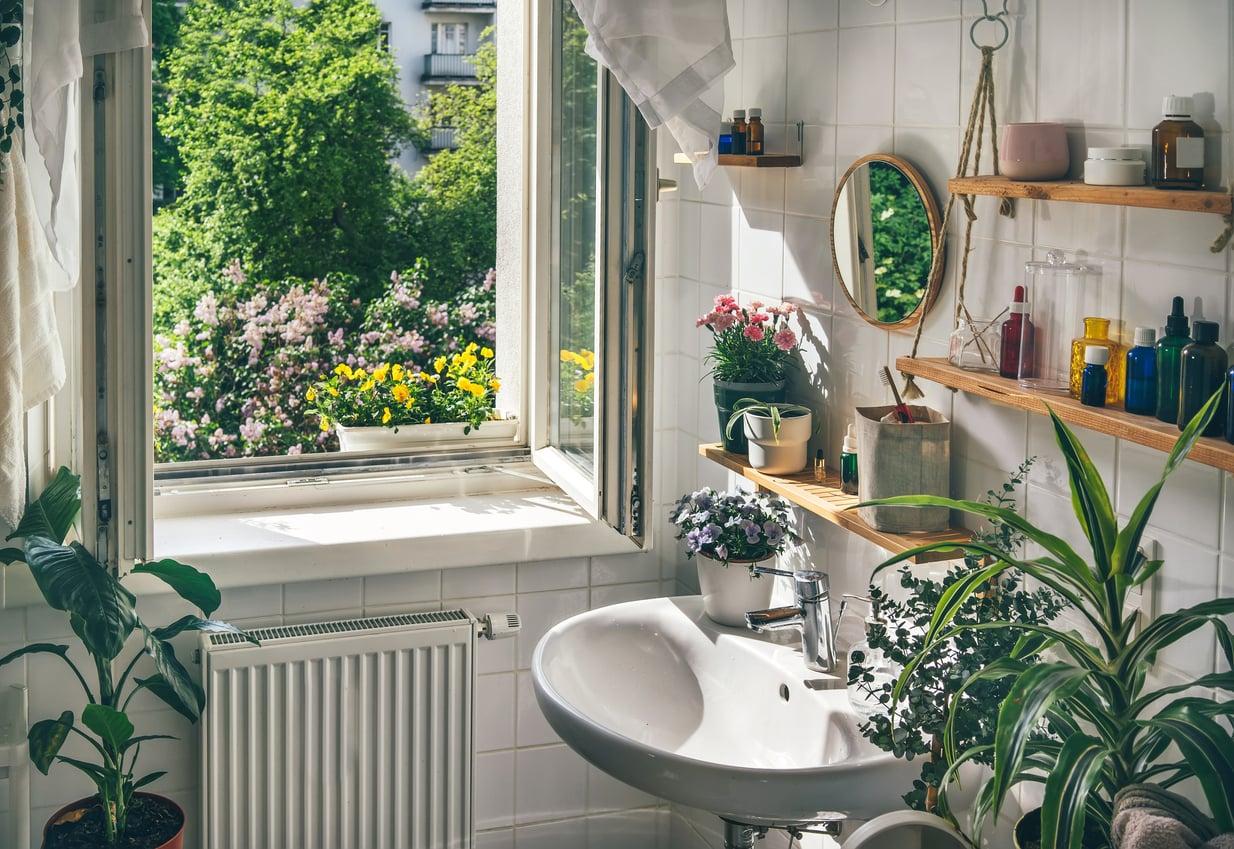
You step out of a steamy morning shower, swing the window wide open, and feel like you've done everything right. Yet by evening, that familiar grey-black spotting is back — creeping along the tile grout, the silicone seal, sometimes even the ceiling. Sound familiar? If you've been leaving the bathroom window open all summer and still can't beat the mold, the window itself might be part of the problem.
Why we assume an open window is enough
The logic seems airtight: moisture escapes, fresh air rushes in, the room dries out. And in winter, that actually works. Cold outdoor air holds very little moisture, so when it flows in and warms up inside the bathroom, it lowers the relative humidity significantly.
Summer air is a different story. On a warm, humid day, the air outside your window can be just as moisture-laden as the air inside your bathroom. When you let humid air into an already humid room, there's nowhere for the moisture to go — it just circulates around the tiles, grout lines, and corners, keeping every surface damp for hours.
What's really happening in your bathroom on a summer day
If the window stays open all day without any real airflow moving through, your bathroom quietly transforms into a warm, permanently damp microclimate — which is exactly what mold thrives on. Mold spores love warm, moist surfaces, low light, and still air. An open window with no cross-breeze delivers all of that.
There's another catch: an open window doesn't just let air in. It also lets in spores from outside — from trees, soil, and neighboring gardens. On a dry surface those spores are harmless. But land them on a consistently damp tile or a silicone gap, and they have everything they need to settle in and grow.
Where mold hides before you can even see it
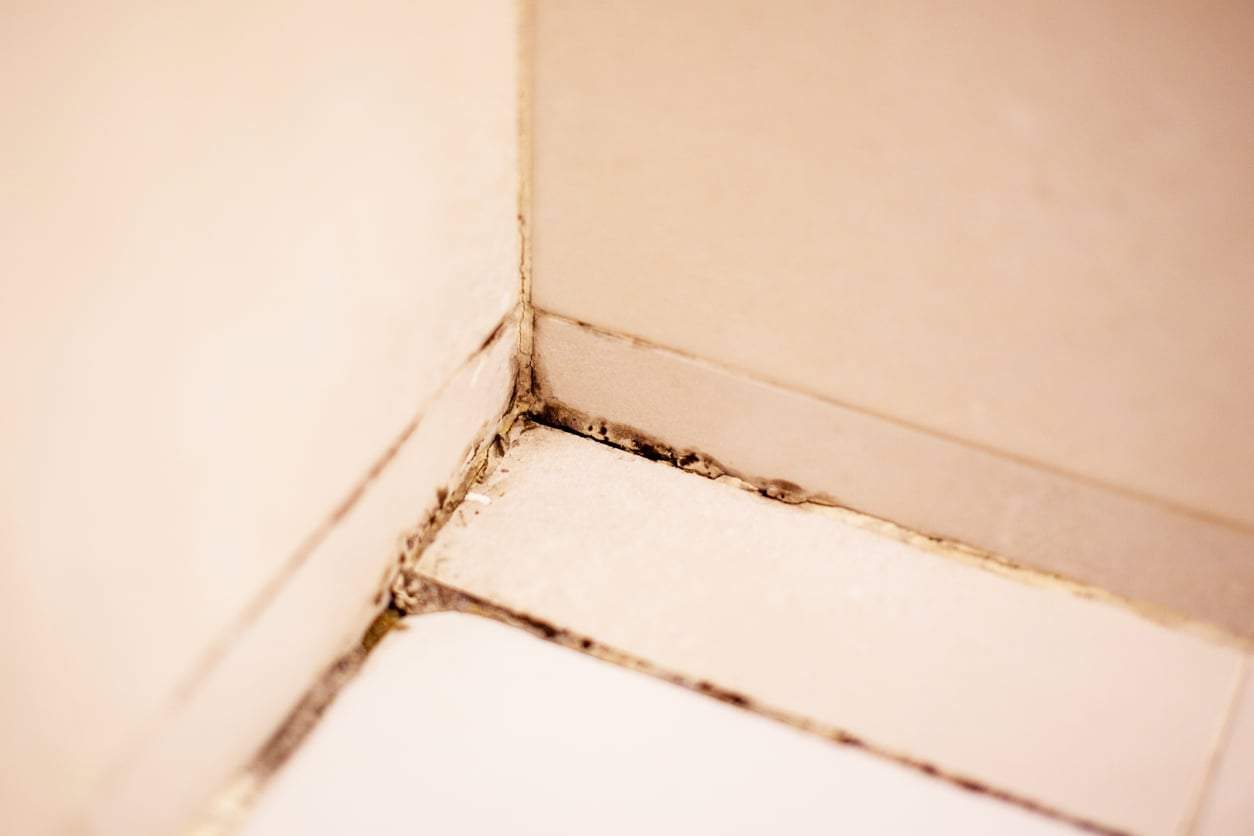
By the time visible spots appear, the mold has likely been living beneath the surface for weeks. The most common hiding spots are:
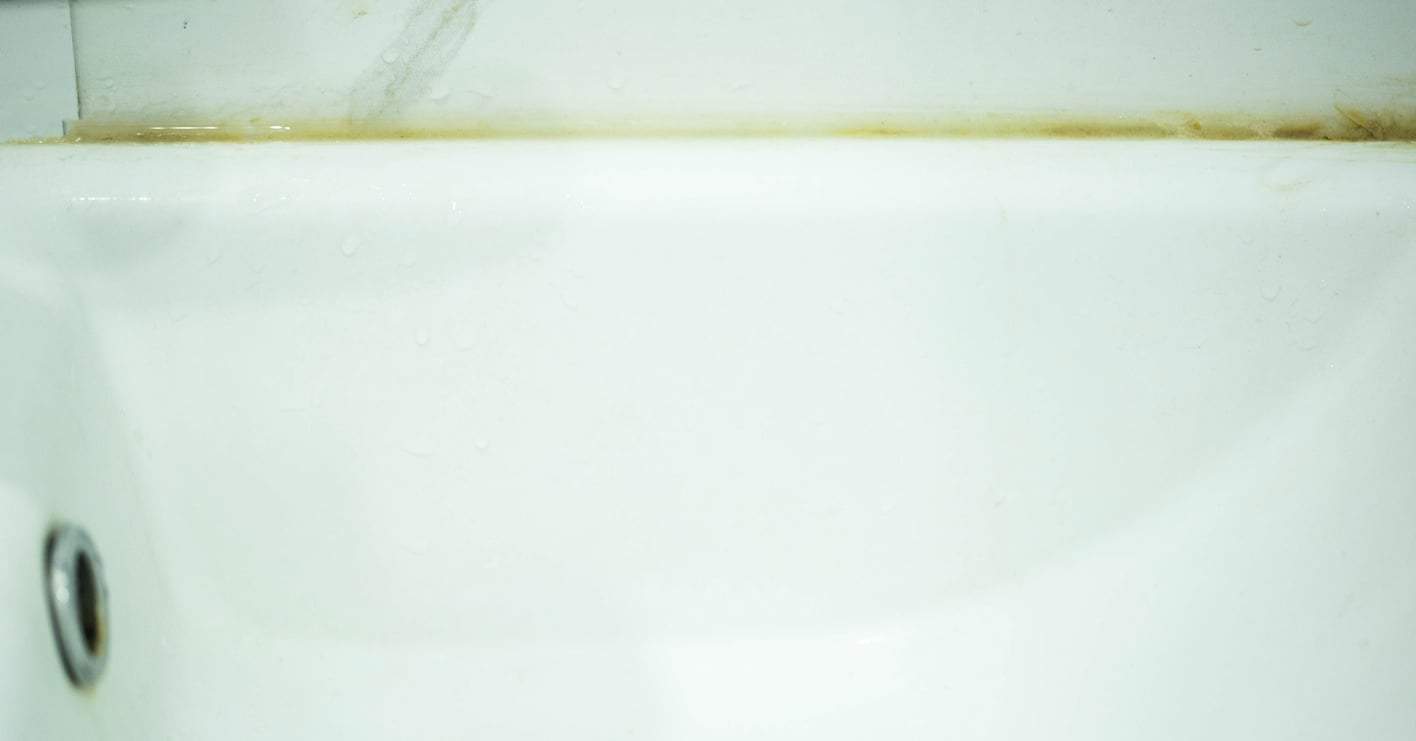
- The silicone strip between the bathtub and tiles, where water sits and lingers
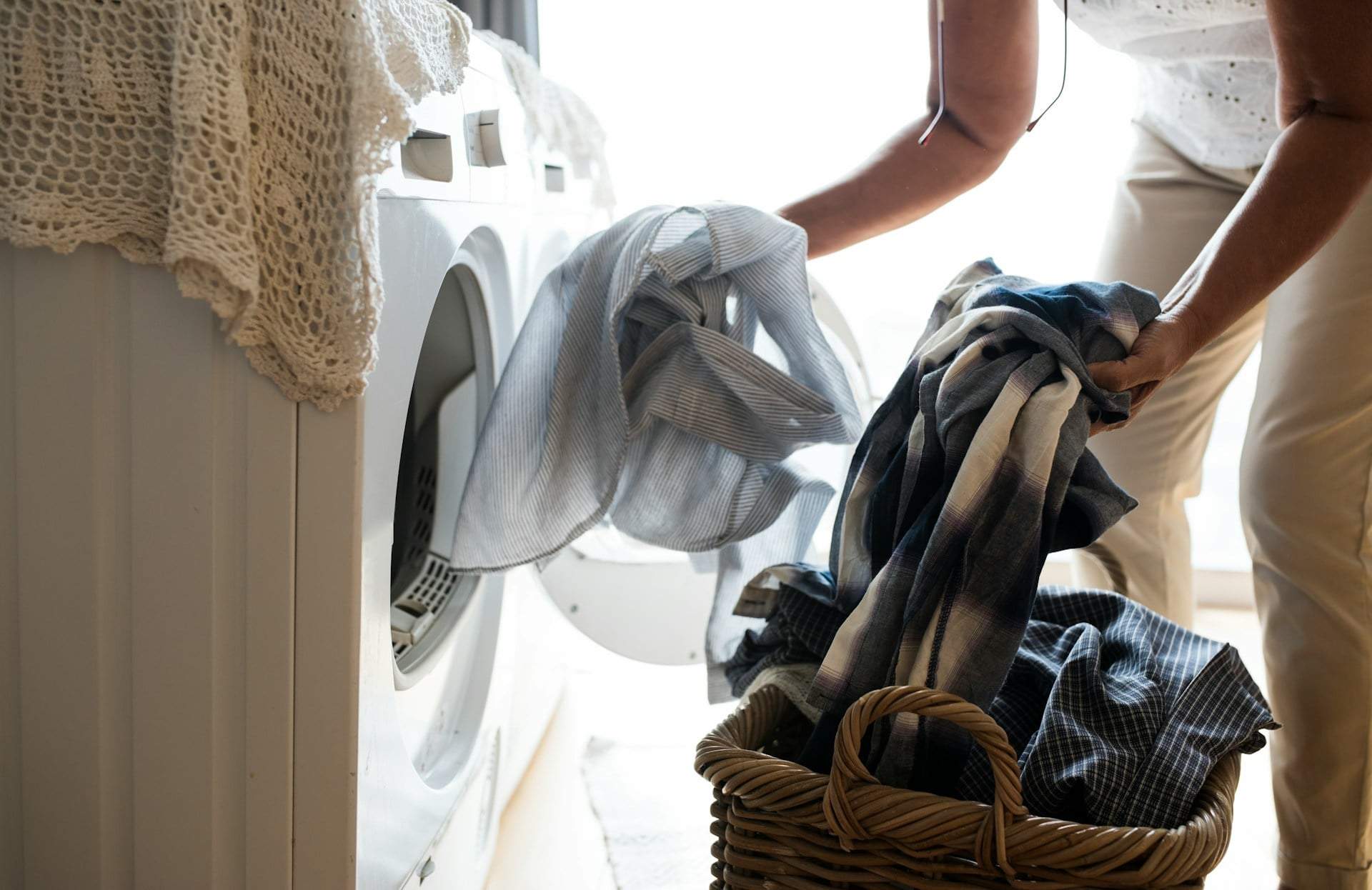
- The rubber door seal and detergent drawer of your washing machine, especially if rarely left open to air out
- The bottom edge of the shower curtain
- Behind the ventilation grille — a spot most people never think to check
- The narrow gap between the wall and bathroom furniture, where air simply doesn't move
What to do alongside opening the window
The solution isn't to keep the bathroom sealed shut all summer. It's to combine the open window with real air exchange — not just a passive gap, but actual airflow moving through the space.
- Right after showering, throw the window and the door fully open for a few minutes to create a cross-draft. A slight breeze is far more effective than a barely cracked window.
- If you have an extractor fan, run it during your shower and keep it going for at least 15–20 minutes afterward.
- During the hottest, most humid parts of the day, close the window and ventilate instead during cooler morning or evening hours when outdoor air is drier.
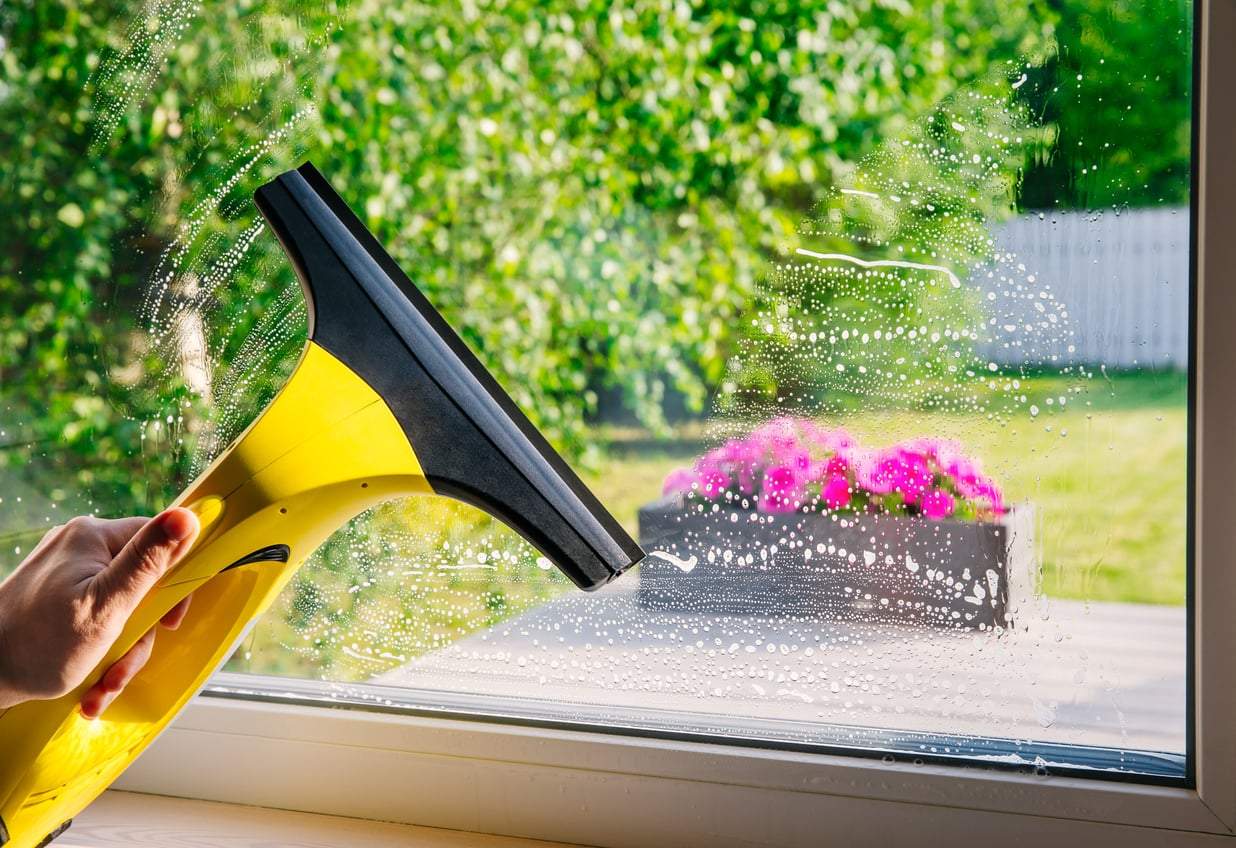
- After showering, use a squeegee or a dry towel to wipe down the tiles and glass before you leave the bathroom. Removing surface water makes a bigger difference than you'd expect.
Small daily habits that genuinely make a difference
Big mold problems rarely need a single dramatic fix — they respond to small, consistent habits stacked up over time.
- Spread your shower curtain fully open after each use so it dries across its full surface rather than bunched up and damp in the middle.
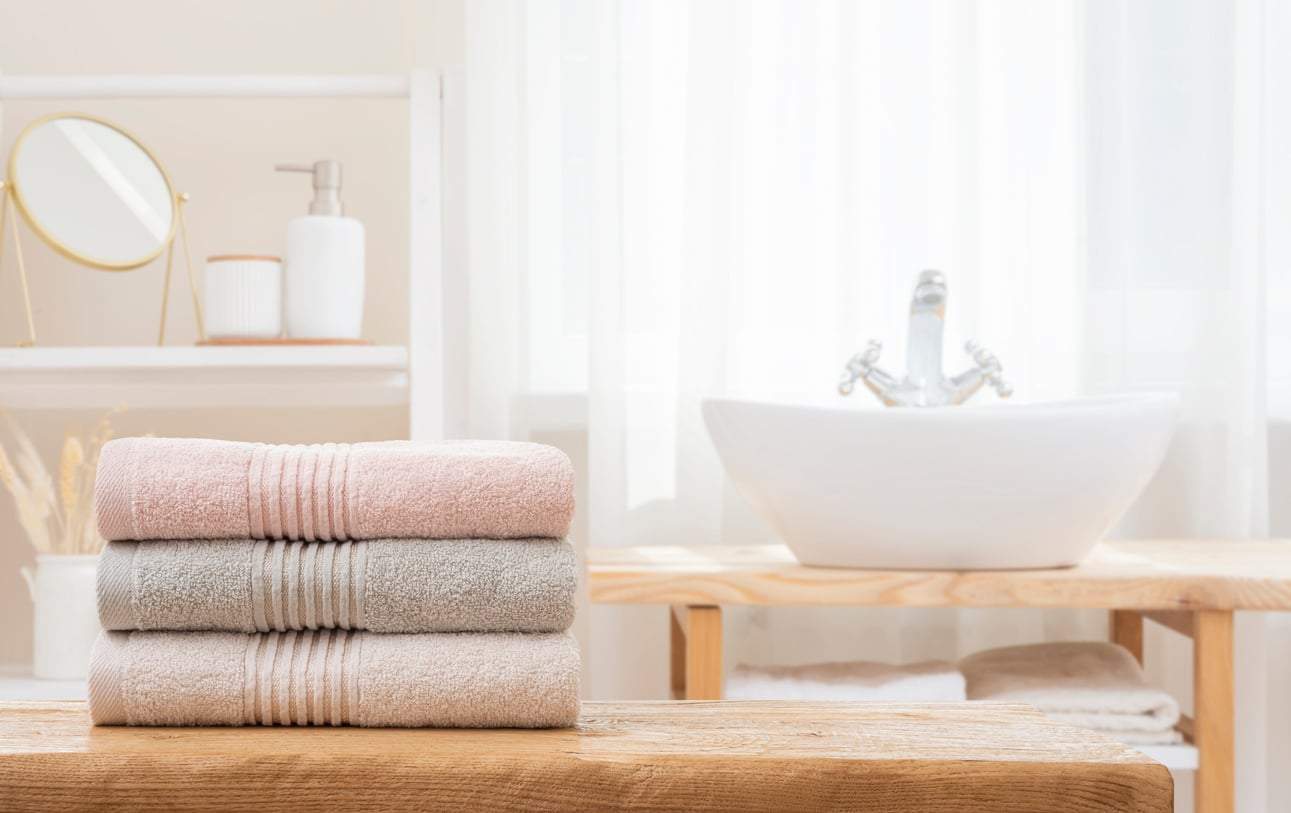
- Don't leave towels to dry inside the bathroom if you can help it — hang them somewhere with better airflow.
- On the hottest, most humid days, a small portable dehumidifier can do what the window simply cannot.
- Check your silicone seals regularly. Once mold has worked its way into the silicone itself, surface cleaning won't cut it — the sealant needs to be replaced entirely.
Frequently asked questions
Does opening the bathroom window actually help with mold?
It depends on the outdoor conditions. In winter, when outside air is cold and dry, opening the window genuinely reduces humidity. In summer, humid outdoor air can make things worse by keeping the room damp without actually clearing moisture.
When is the best time to ventilate a bathroom in summer?
Early morning or evening, when outdoor temperatures and humidity levels are lower, is the most effective time to air out your bathroom. Avoid ventilating during the hottest midday hours when outdoor air is at its most humid.
How do I know if mold is hiding somewhere I can't see?
Common hidden spots include the silicone seal around the bathtub, the rubber seal on your washing machine, the bottom of the shower curtain, and behind the ventilation grille. If you notice a musty smell even after cleaning, mold is likely present beneath a surface.
Is wiping down tiles after a shower really worth the effort?
Yes. Removing surface water with a squeegee or towel eliminates the standing moisture that mold spores need to establish themselves, making it one of the most effective and low-cost habits you can build.