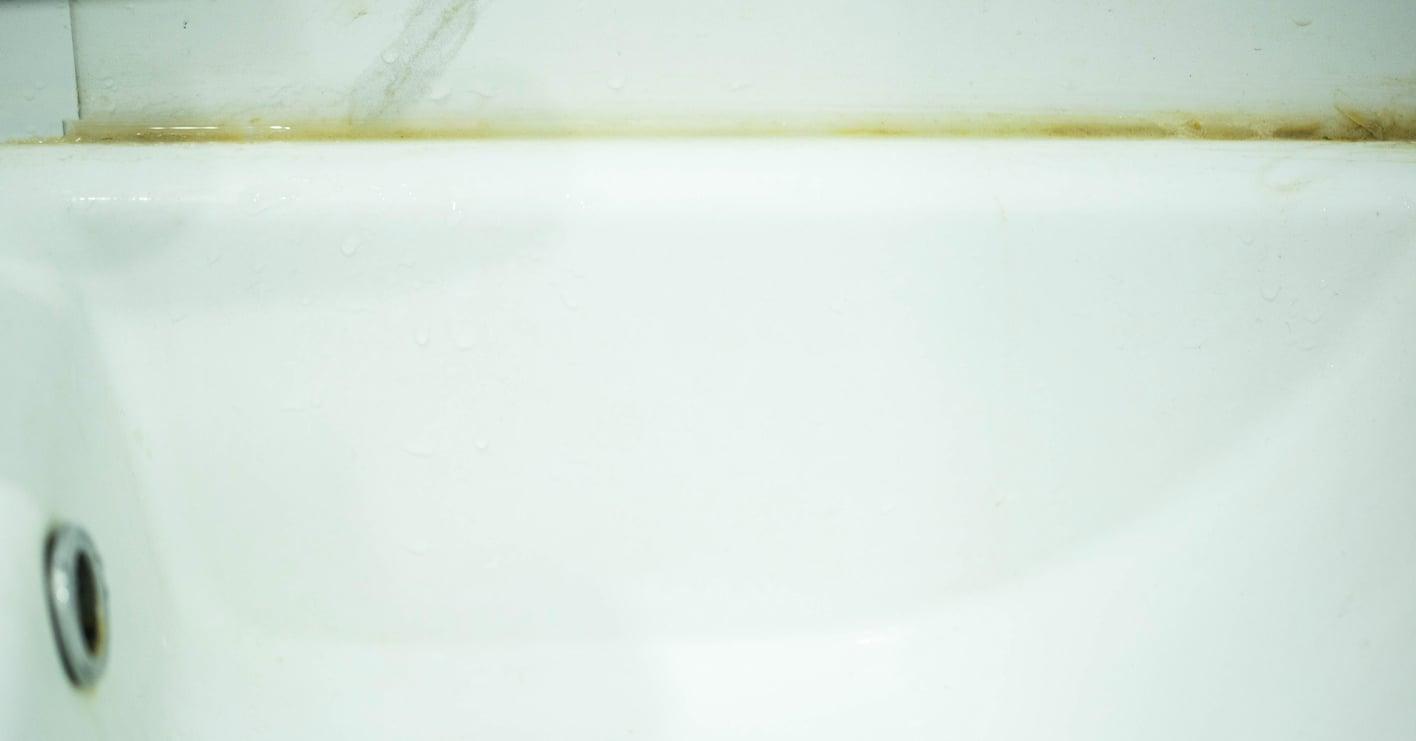
That silicone seal around your tub or shower doesn't turn yellow overnight — it happens so gradually you barely notice, until one day it's impossible to ignore. What was once bright white becomes dingy, yellowed, or spotted with grey. Moisture, soap scum, poor ventilation, and mold all conspire against it. The good news? You probably don't need to regrout or call anyone in. The fix is already sitting in your kitchen cabinet.
Why does bathroom silicone turn yellow?
The silicone seal sits in one of the dampest spots in your home — where the tiles meet the tub or shower tray. Over time, soap residue, limescale, dirt, and mold build up on the surface, causing that characteristic yellowing or grey discoloration.
Poor ventilation makes it worse. If your bathroom doesn't dry out properly after showers, the seal stays damp for longer, giving mold every opportunity to take hold. It's worth noting that if mold has penetrated deep into the sealant, surface cleaning will only improve the appearance partially — but for early-stage yellowing, the results can be dramatic.
What you'll need
- Baking soda
- White vinegar
- An old toothbrush
- Paper towels or cotton pads
- A small bowl for mixing
How to whiten the silicone — step by step
- Mix baking soda and water in a small bowl until you get a thick, toothpaste-like paste.
- Spread the paste along the discolored silicone strip and leave it on for about 20 minutes.
- Using your old toothbrush, scrub the surface with gentle circular motions, paying extra attention to the most discolored patches.
- If yellowing or grey staining remains, bring in the white vinegar as a second step. Soak a cotton pad or strip of paper towel in vinegar, lay it directly on the silicone, and leave it for around 30 minutes.
- Remove, wipe clean, then rinse thoroughly with warm water.
Don't mix the baking soda and vinegar together into a single paste. Used separately in sequence, each ingredient does its own cleaning job far more effectively.
Once you're done, dry the silicone thoroughly with a clean cloth. This step matters more than it might seem — residual moisture is exactly what encourages mold to return.
How to stop it from yellowing again
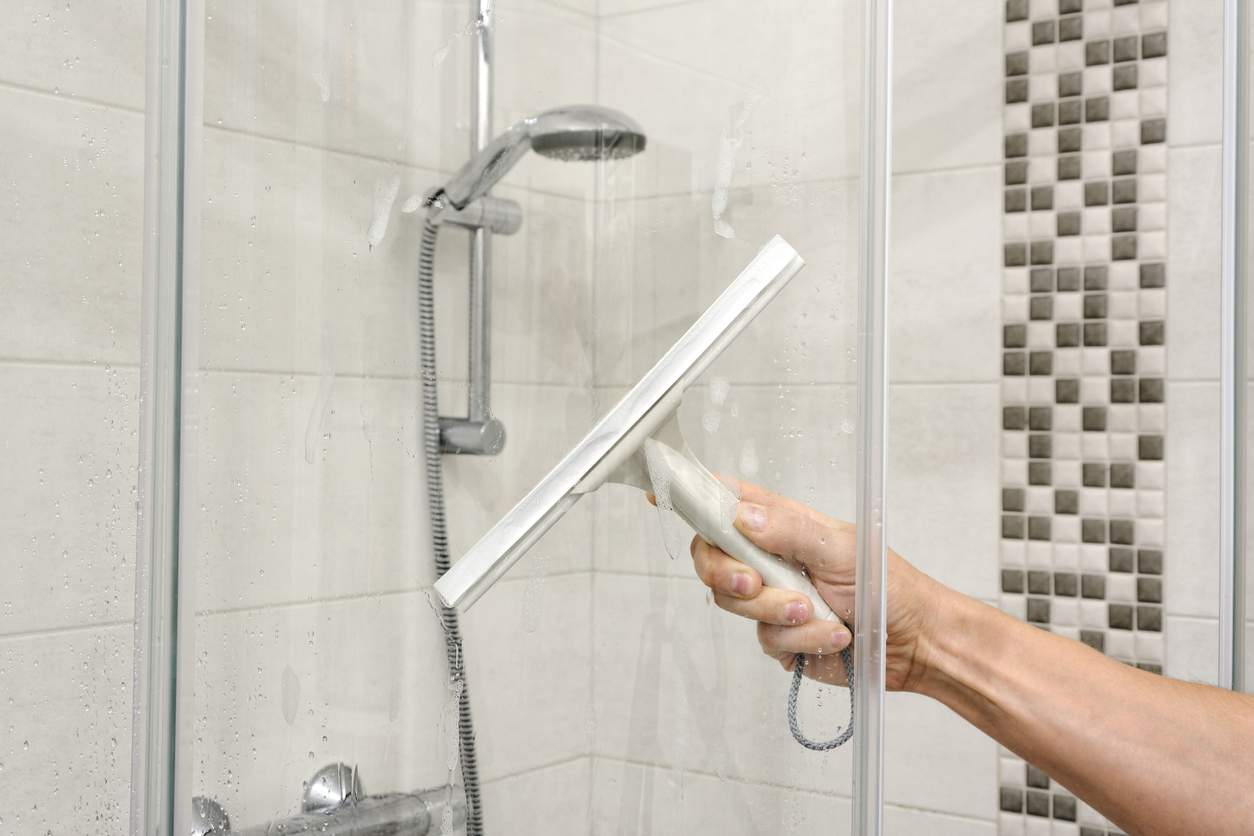
Prevention really comes down to one habit: ventilation. After every shower or bath, open a window or run the fan to let the room dry out. If you can spare 30 seconds, wipe the silicone strip down with a squeegee or dry cloth to remove the standing water.
A quick regular wipe-down is far easier than tackling heavy discoloration later. Giving the seal a light clean every couple of weeks will keep stubborn stains from building up in the first place — and your bathroom looking sharper for longer.
When cleaning is no longer worth it
If the silicone is cracked, peeling away from the tiles, or the discoloration clearly goes right through the sealant rather than sitting on the surface, no amount of scrubbing will give you a lasting result. At that point, the old silicone needs to come out and be replaced with a fresh bead.
This is especially true if mold keeps coming back despite regular cleaning. When that happens, surface treatments alone won't solve the underlying problem — a full reseal is the right call.
Frequently asked questions
Can I use baking soda and vinegar together on silicone?
It's better to use them separately. Apply the baking soda paste first, let it sit, then scrub. Follow up with vinegar as a second step. Each ingredient works differently, and using them in sequence gives better results than mixing them.
How long should I leave the baking soda paste on?
Around 20 minutes is enough for the paste to loosen soap scum and surface staining. For the vinegar step, leave it on for approximately 30 minutes before wiping clean.
Will this method remove mold from silicone?
It can improve surface-level mold and early discoloration noticeably. However, if mold has penetrated deep into the sealant, surface cleaning will only bring partial improvement — replacing the silicone may be the more effective long-term solution.
How often should I clean bathroom silicone to prevent yellowing?
A light wipe-down after each shower helps the most. For a deeper clean, going over the silicone every couple of weeks will prevent stubborn stains and discoloration from building up.