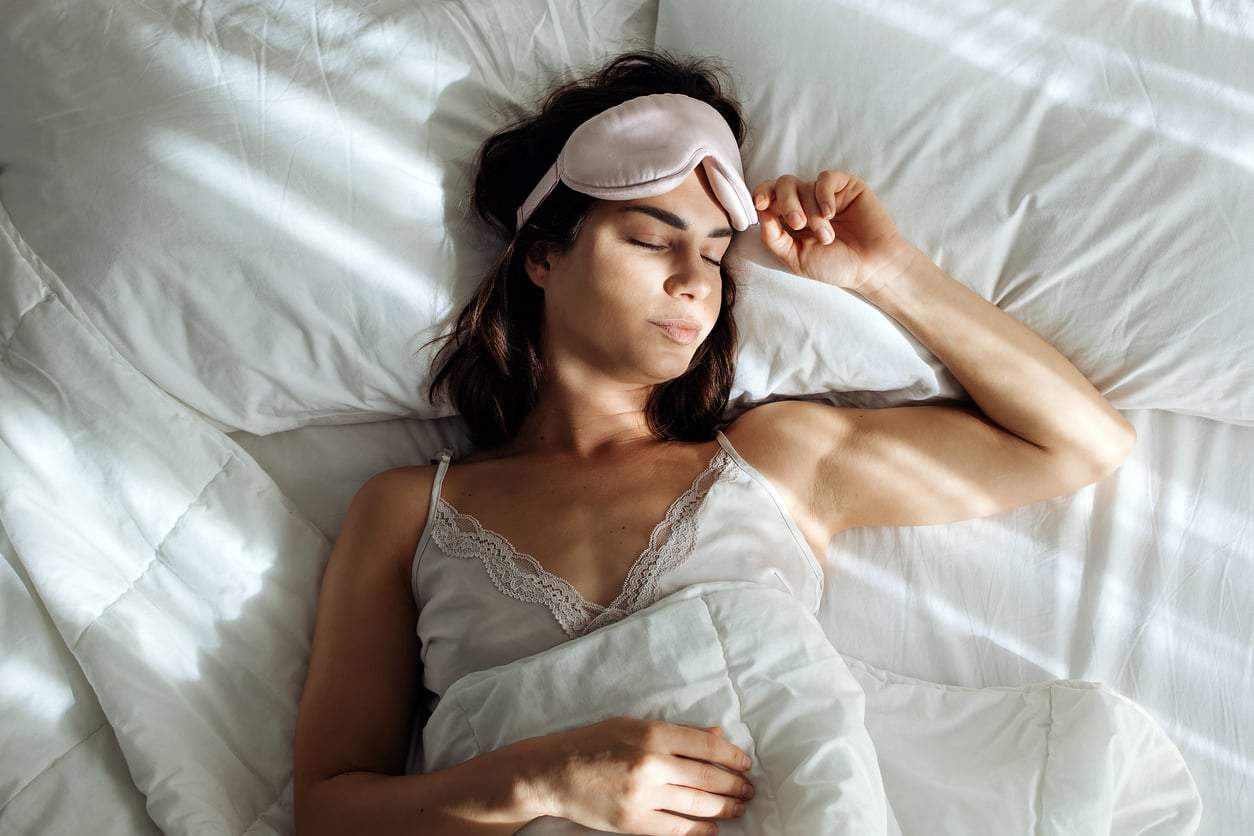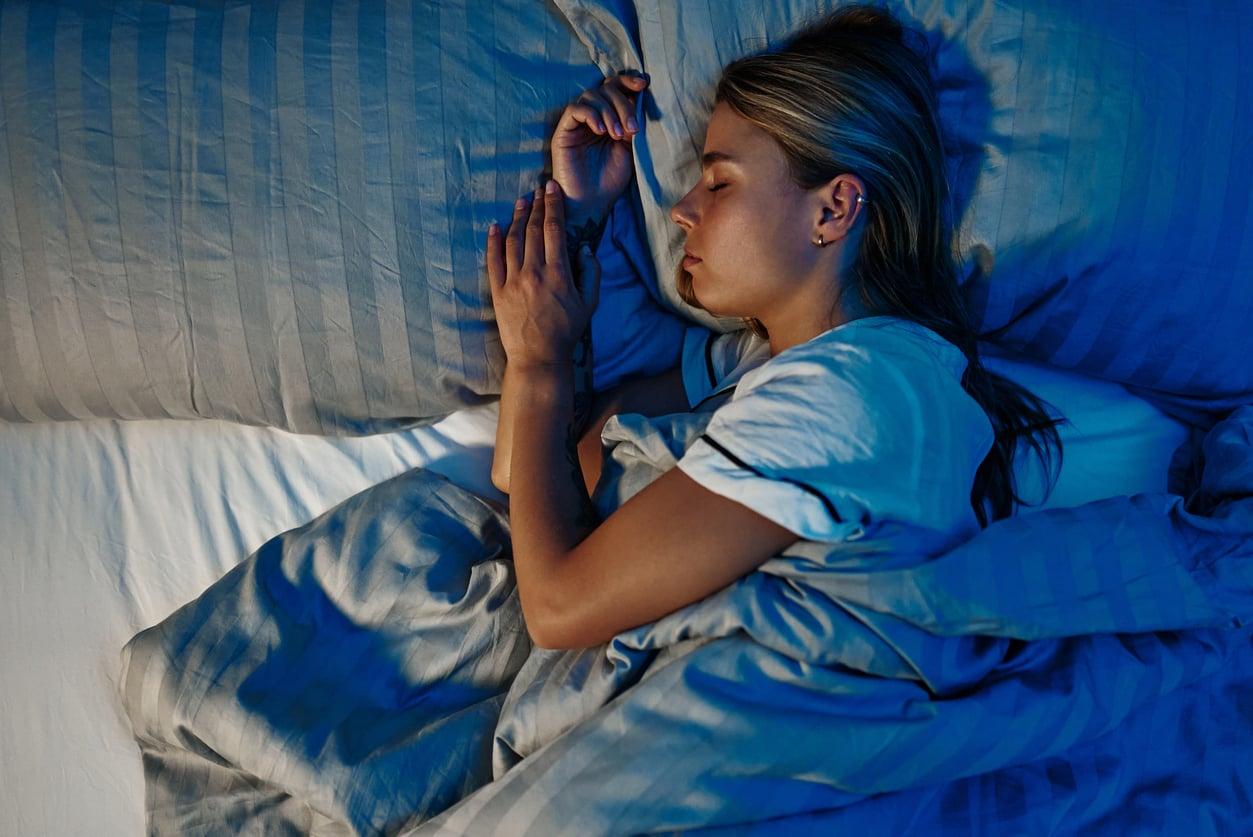
Your bedroom feels like a sauna at midnight, your pillow is damp with sweat, and you're seriously considering sleeping in the bathtub. Sound familiar? Before you give up on comfort entirely, there's a remarkably simple trick that people have been using for centuries — long before air conditioning ever existed.
Where this method comes from
The logic is pure physics: evaporating water absorbs heat from the surrounding air. In Egypt, where daytime temperatures are often brutal, people would hang wet fabric over bedroom windows or drape it across their beds so that the evaporating moisture would cool the room as air passed through. It wasn't magic then, and it isn't magic now — it's the same principle at work whether you're sleeping beside the Nile or in a city apartment with no AC.
How to do it, step by step
You don't need any special equipment. All it takes is a thin cotton sheet, cold water, and a little patience.
- Soak a thin, breathable sheet (cotton or linen works best) in cold tap water.
- Wring it out thoroughly — it should be damp, not dripping.
- Hang it in front of an open window, or position it between the window and your bed so that incoming air flows through the fabric before reaching you.
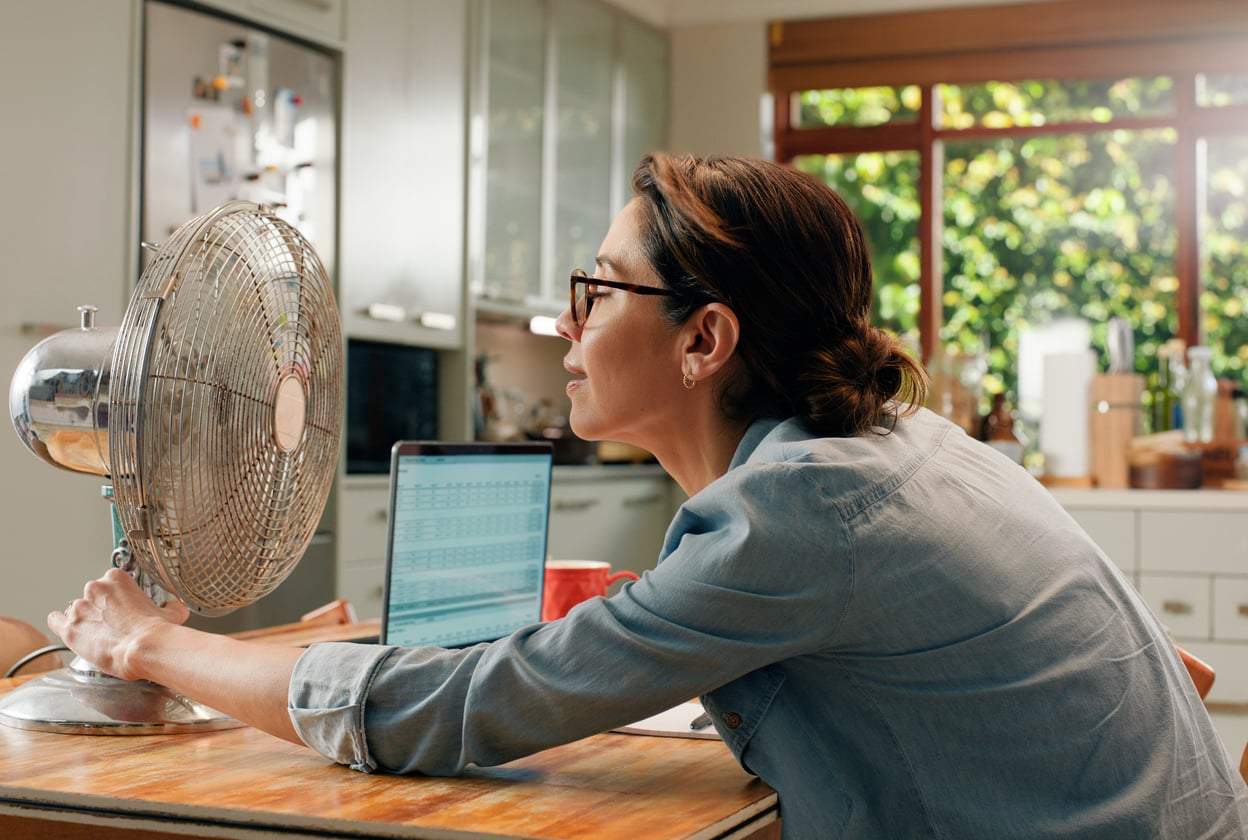
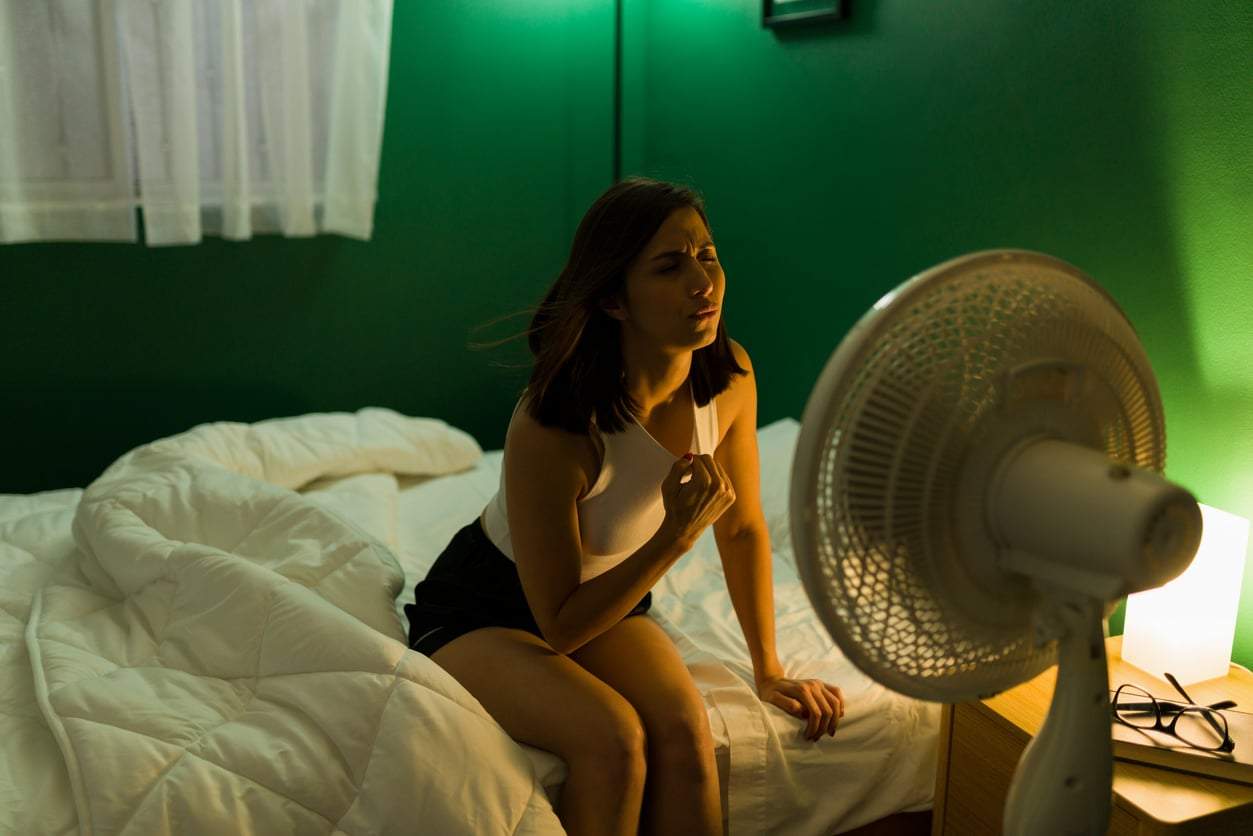
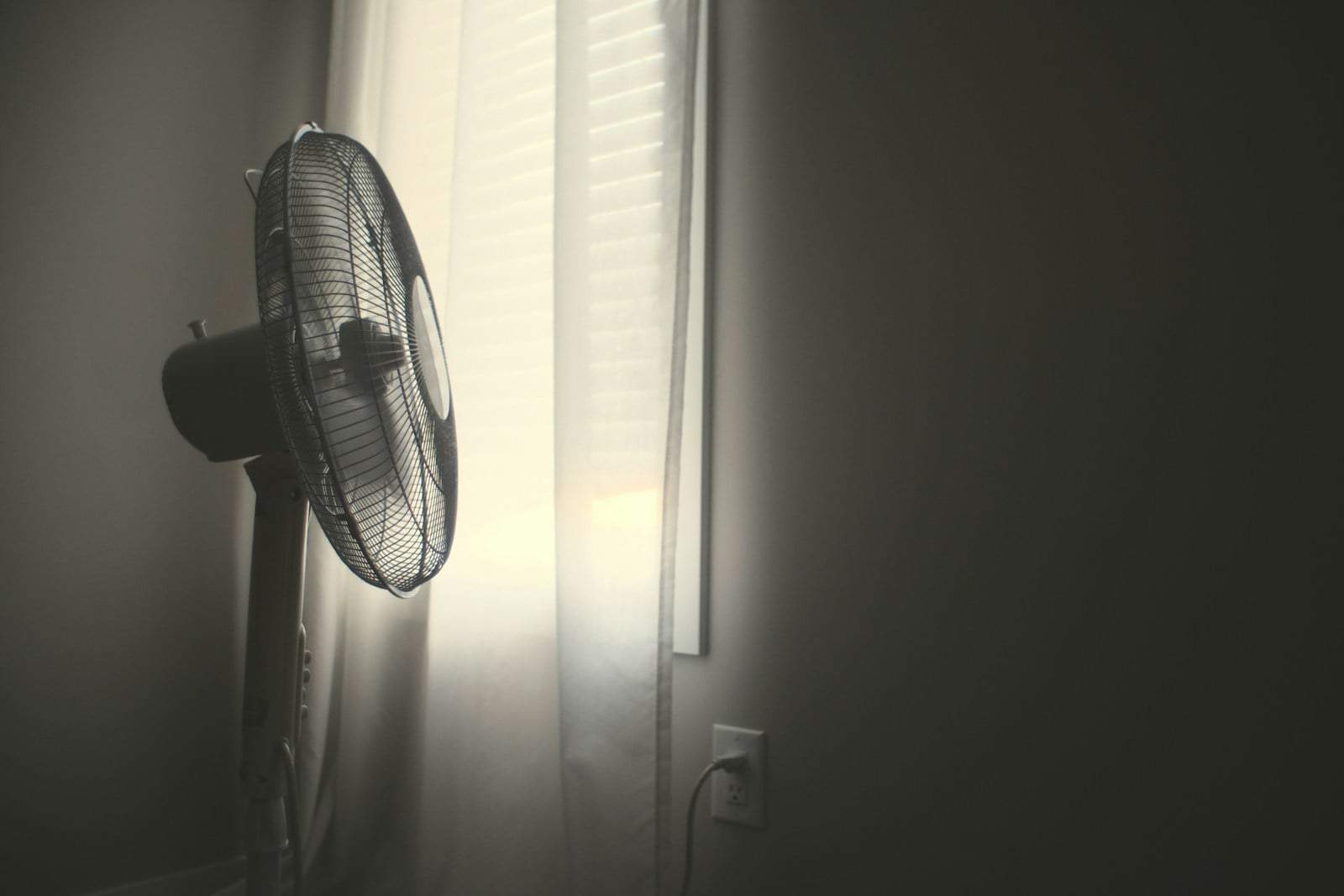
- If you have a fan, angle it so it blows air through the wet sheet toward you — this significantly boosts the cooling effect.
If needed, re-dampen the sheet once or twice during the night as the water evaporates.
Why it works: the science of evaporative cooling
When water evaporates, it draws heat energy away from its surroundings — this is called evaporative cooling, and it's exactly the same reason your skin feels cold after sweating in a light breeze. Air that passes through a damp sheet arrives at your skin several degrees cooler than it would straight from the window. On a dry, hot summer night, that difference can be enough to finally let you drift off to sleep.
You don't need an expensive machine to sleep cooler — just a wet sheet and a little airflow.
Extra tips to make it even more effective
A few small additions can take this trick even further:
- Choose natural-fiber bedding — synthetic fabrics trap heat and block airflow.
- Place a bowl of ice water in front of your fan to chill the circulating air even more.
- Shower with lukewarm water before bed — not ice cold. Lukewarm water actually helps your body temperature drop faster afterward.
- Leave your window slightly open overnight so air can continuously flow through the damp sheet.
A few things to keep in mind
This method works best in dry heat. On humid summer nights, when the air is already saturated with moisture, the effect will be noticeably weaker. Make sure the wet fabric doesn't come into contact with any electrical appliances. If you're sensitive to mold or have allergies, let the sheet dry out fully each morning before using it again. Rinsing it with fresh water regularly will keep things hygienic and ensure the trick keeps working night after night.
Is the Egyptian sheet trick safe to use every night?
Yes, as long as you let the sheet dry completely each day and refresh it with clean water. This prevents mold and keeps it hygienic for regular use.
Does this work if I already have a fan?
Absolutely — in fact, a fan makes it significantly more effective. Point the fan so it blows air directly through the damp sheet toward you, and you'll feel a noticeably stronger cooling effect than with either method alone.
Why doesn't it work as well on humid nights?
Evaporative cooling relies on water being able to evaporate into the surrounding air. When the air is already humid, it can't absorb as much additional moisture, so less evaporation occurs and the cooling effect is reduced.