When summer nights turn your bedroom into an oven, cracking the window open feels like the most natural thing in the world. But if you've been leaving it tilted open all night, you might actually be making your sleep environment worse — not better.
Night air carries significantly more moisture than daytime air. That means keeping your window open for hours doesn't just let in a cool breeze — it pumps humidity into your home, reducing comfort and, over time, creating conditions where mould and dust mites thrive.
Why all-night ventilation can backfire
Rising indoor humidity is more than just uncomfortable. High moisture levels encourage the growth of mould and dust mites, both of which can trigger allergic reactions, respiratory issues, and even asthma. If you or anyone in your household is sensitive, this is worth taking seriously.
There's also the question of what else comes in through that open window. Pollen, fine particles, street pollution, and insects all have an easier time entering your home when the window stays open through the night.
Even though night temperatures are lower than during the day, they're often not low enough to meaningfully cool down your home — especially in cities, where the urban heat island effect keeps the air warm well into the early hours.
In other words, you may be taking on all the downsides of open-window ventilation without actually getting the cooling benefit you're hoping for.
Smarter ways to cool your bedroom at night
The good news is that there are more effective strategies — and none of them require you to sleep in a cloud of humid night air.
- Ventilate briefly and intensively: Instead of leaving the window open all night, air out your room for 15–20 minutes just after sunset. The air is cooler at that point, but humidity hasn't peaked yet — so you get the benefit without the drawback.
- Use a fan strategically: A well-positioned fan circulates air without increasing moisture levels. For an extra cooling boost, place a bowl of ice in front of it — it's a surprisingly effective low-tech trick.
- Consider an air purifier: A quality air purifier doesn't just filter out allergens, dust, and pollutants — some models also help regulate temperature and humidity, making your bedroom more comfortable overall.
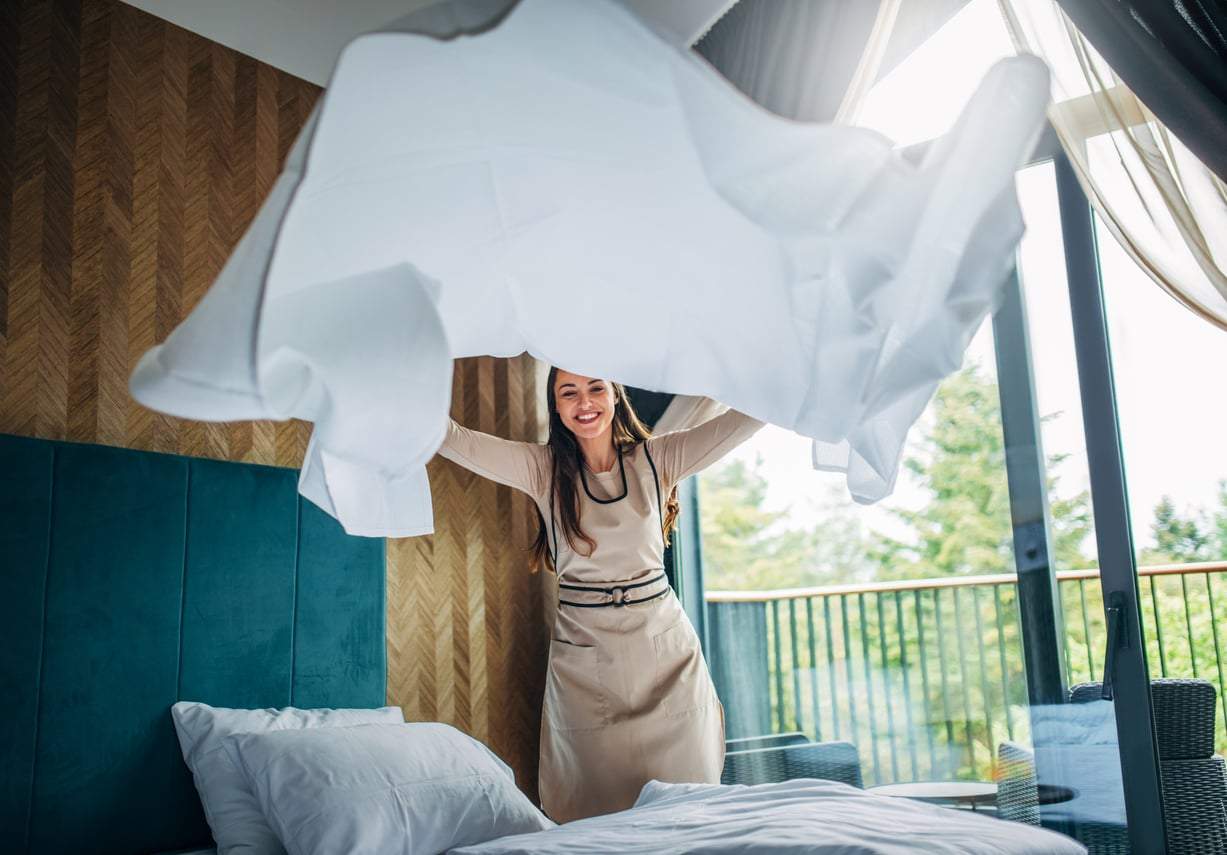
- Switch to cooling bedding: The right bed linen fabrics can make a huge difference. Materials designed for warm nights help your body regulate temperature naturally, so you sleep more comfortably without relying on airflow alone.
If you use air conditioning, it's worth being thoughtful about settings and timing — running it all night on full blast wastes energy and can dry out the air too much. A timer-based approach is usually far more efficient.
Keeping your home cool on summer nights doesn't have to mean choosing between a stuffy room and a humid one. A few small adjustments to your routine — and the right tools — can make a real difference to how well you sleep.