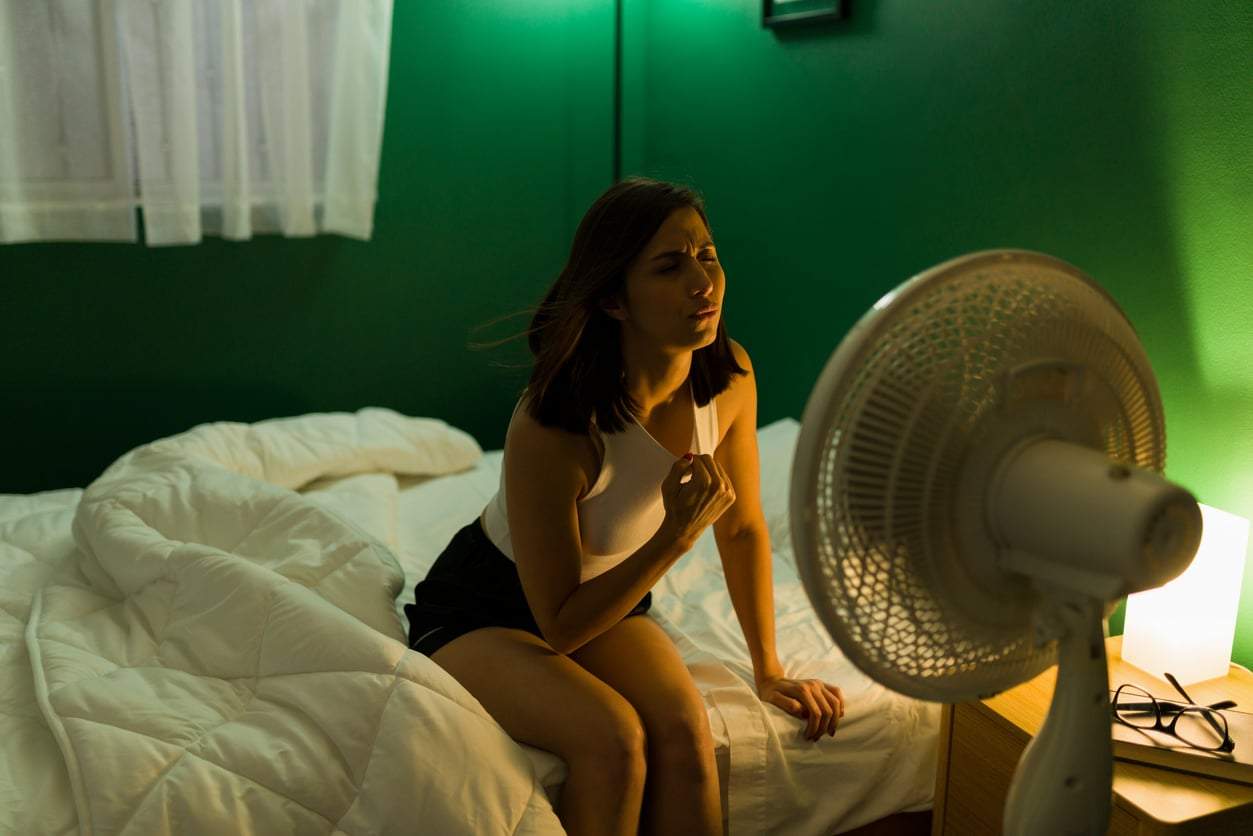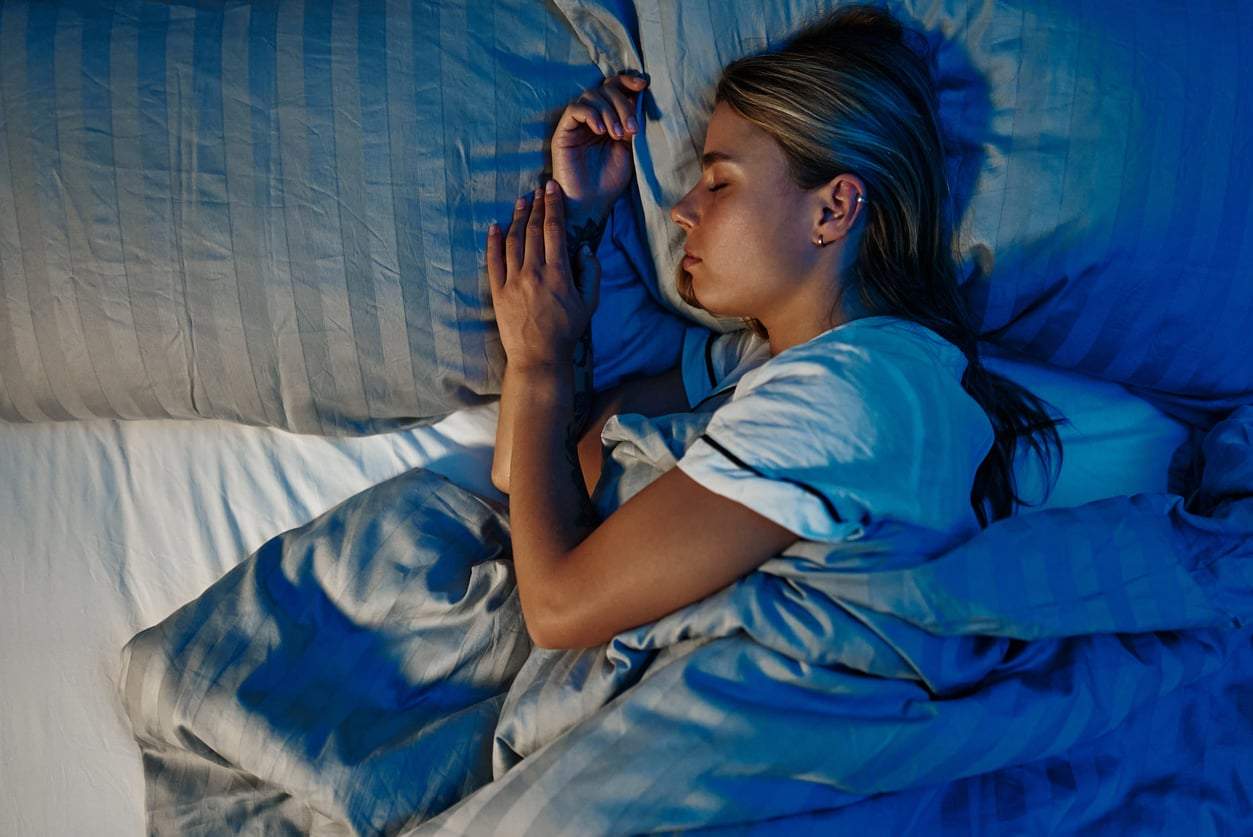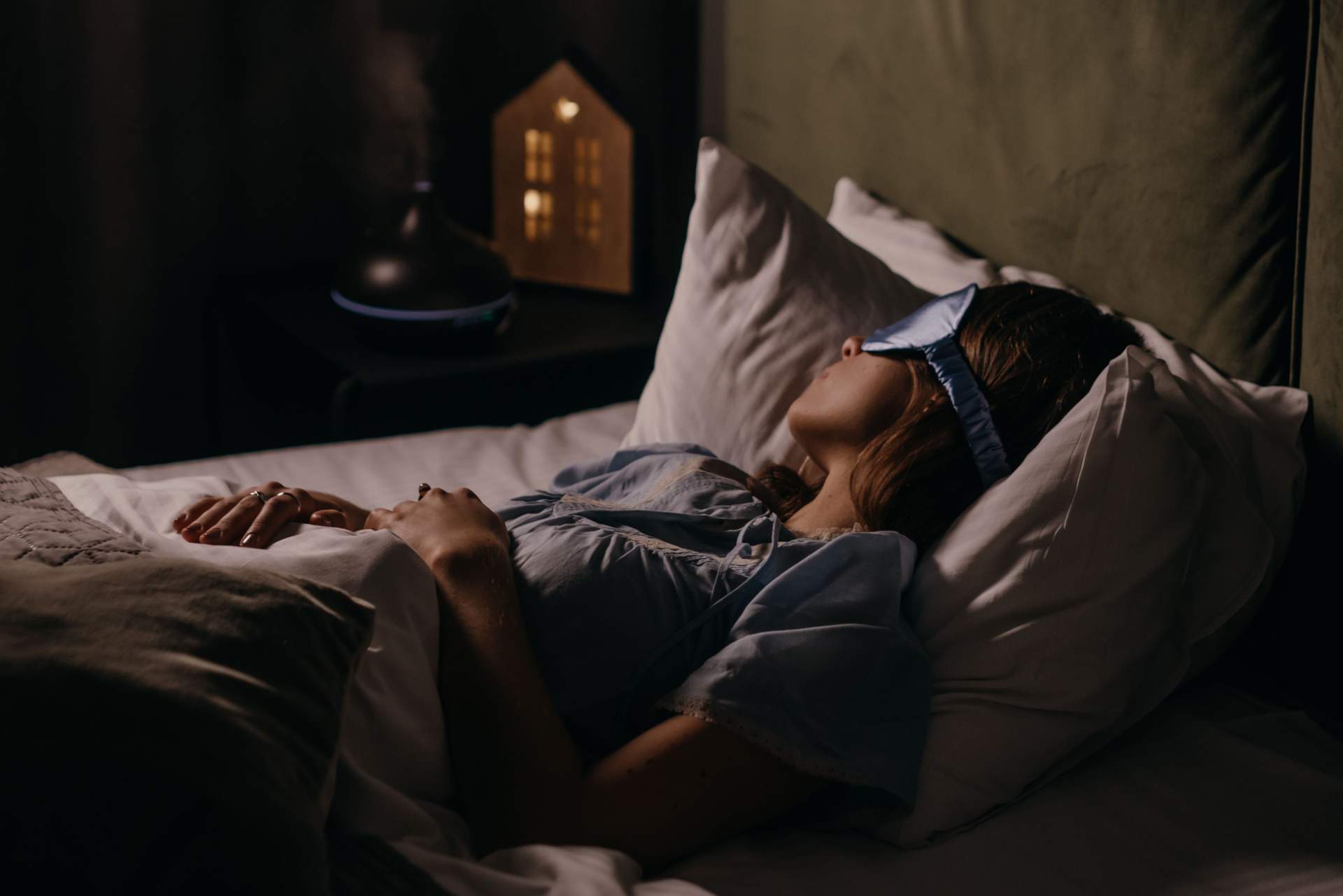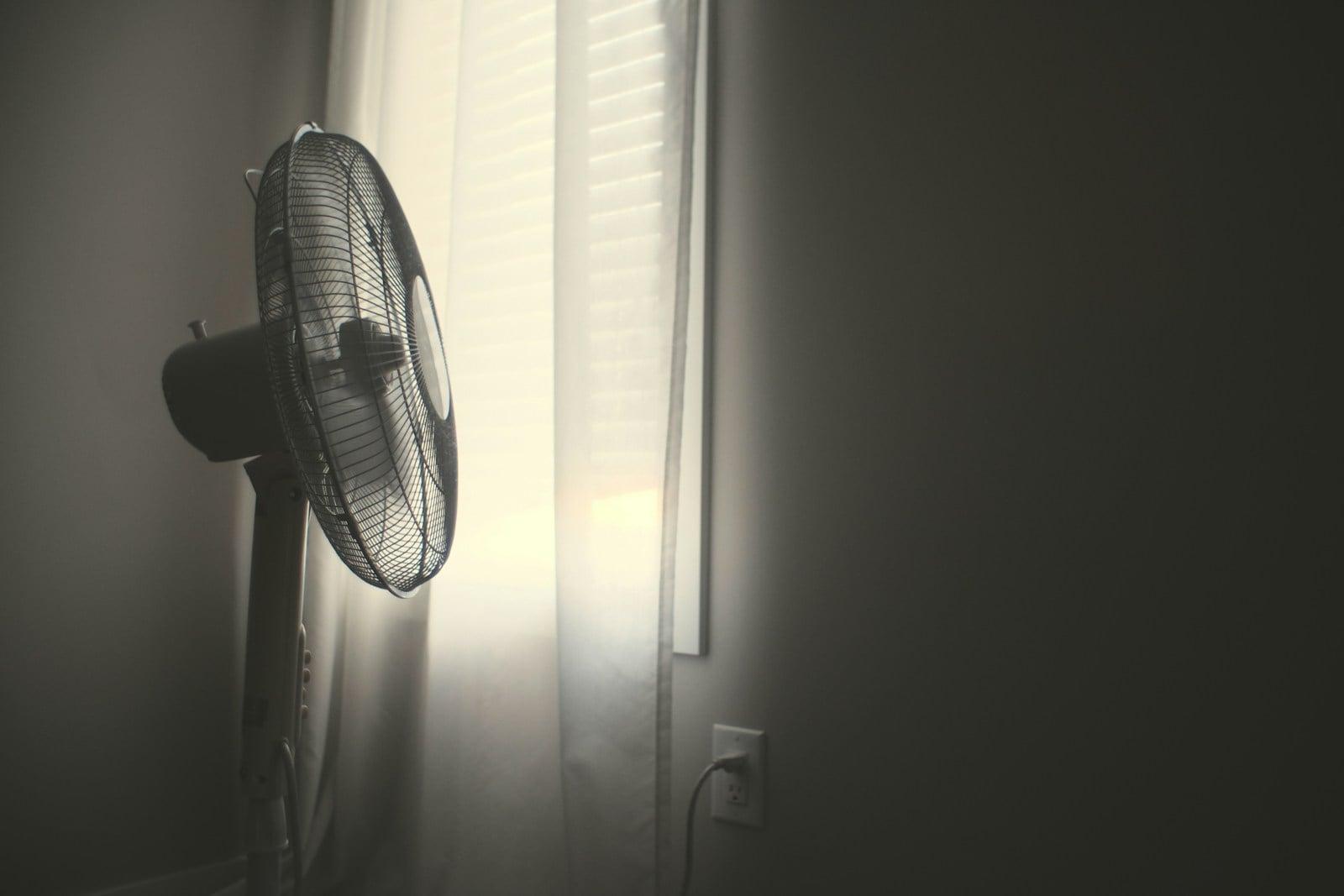
On a sweltering night, it feels like the smartest move you can make. The fan cools you down, hums you to sleep, and you never have to get up to switch it off. So it stays on until morning.
The problem? If this becomes your nightly routine, it can cause more grief in the long run than the comfort it offers. And most people never connect the dots.
Here's the key thing: a fan doesn't actually cool the air, it just moves it around. That means a steady stream of air is hitting your skin all night, drying out your mucous membranes, your eyes, and your throat. Plenty of people wake up with a dry mouth, a scratchy throat, or a stuffy nose and have no idea that their "summer cold" symptoms actually started in their own bedroom, thanks to their own fan.
Why it's worth switching off at night
That constant airflow doesn't just dry out your airways, it can take a toll on your muscles too. When air blows evenly onto your neck or back for hours, waking up with a stiff neck, a headache, or a tingling, numb arm is surprisingly common.
Your body keeps trying to adjust to the constant cooling, and that quietly drains energy from your rest, exactly the opposite of what a good night's sleep is supposed to do.
On top of that, the air in the room dries out, which can lead to rough mornings for anyone with allergies or asthma, or simply more sensitive airways. Dry air is harder on your skin, too, so it's no surprise if your face feels tighter and drier after a night with the fan than the heat alone would explain.
The dust on your fan is working against you
Few people think about it, but dust builds up on the blades and grille within days. When the fan runs all night, it keeps stirring that dust back into the air, blowing it straight toward your face. If you have allergies or sensitive airways, that can trigger sneezing, a runny nose, and itchy eyes, symptoms you might blame on the heat when the real culprit is a fan that's overdue for a clean.
Sometimes that "cooling breeze" is really just a cloud of dust hovering over your face.
How to use your fan smarter
You don't have to give up the fan completely, you just need to use it more mindfully. A few simple habits can make a big difference.
- Set it on a timer so it only runs until you fall asleep, not all night long.
- Don't aim it directly at your face or body. Instead, point it toward the ceiling or a wall to circulate the air around the room.
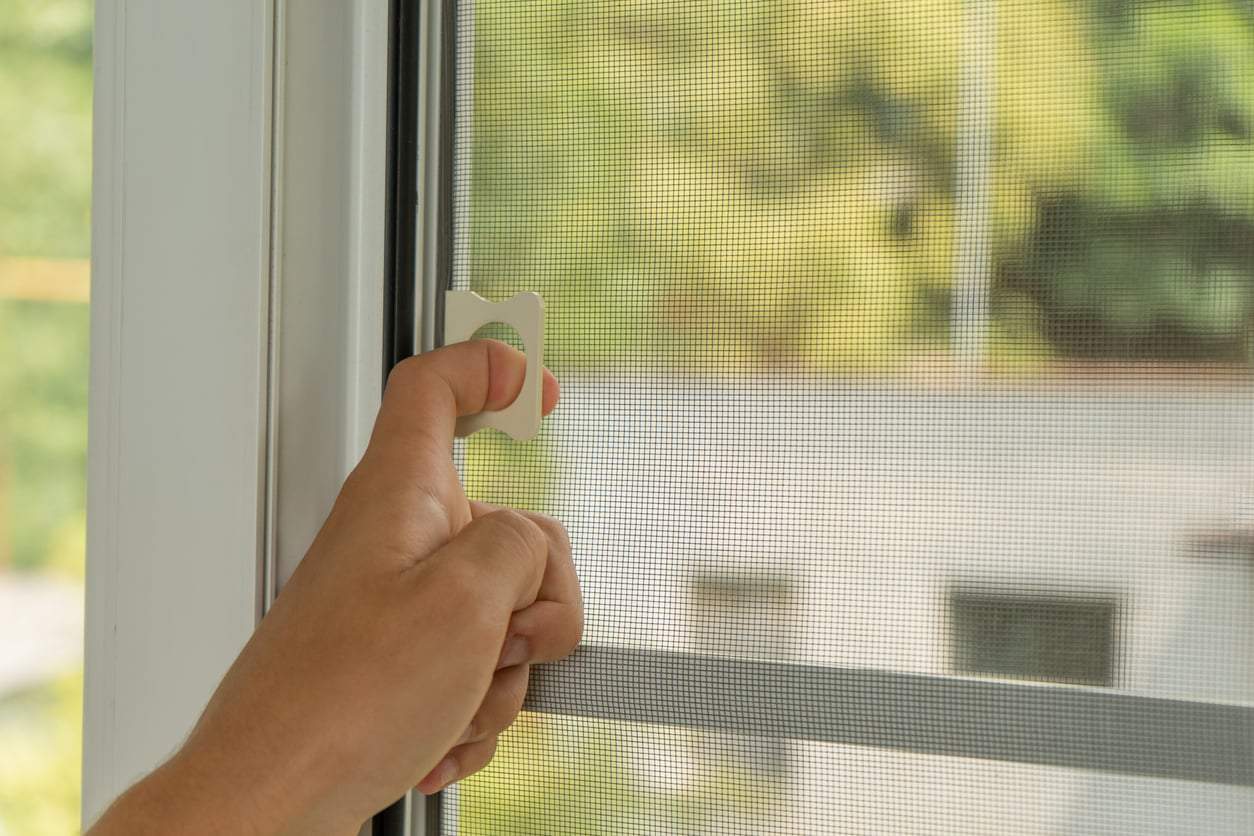
- Crack a window open too, if the weather allows, so fresh air can cycle in rather than the same air just swirling around.
- Keep a glass of water by the bed, since drier air makes it easier to get dehydrated overnight.
- Wipe down and vacuum the grille and blades regularly, at least once every two weeks during the summer.
When it's okay to leave it on
If it's truly hot and the room barely gets any air, a lower setting, from a good distance, not pointed straight at your body, can be a livable compromise. The goal is to keep it from targeting your skin directly for hours, and instead help move the air around the room in general. An oscillating fan with a rotating head is far gentler than one blowing in a fixed direction, because it never keeps working on the same part of your body.
It's also worth remembering that sometimes a simpler solution beats the fan altogether: airing out the room in the evening, once the heat starts to ease. Often it's enough to throw the windows wide open for half an hour before bed, then leave them slightly ajar, and the air feels noticeably cooler and more pleasant, no fan required.
The pull of habit is strong, and on a hot summer night it's hard to resist the idea that a running fan is your only shot at restful sleep. But with a few small tweaks, a timer, well-directed airflow, and a slightly cleaner machine, you can get the same cooling effect without waking up with a dry throat and a stiff neck.
Does a fan actually cool the room down?
No. A fan doesn't lower the air temperature, it only moves the air around. That's why it can dry out your skin, throat, and eyes without truly cooling the space.
Why do I wake up with a sore throat after sleeping with the fan on?
The constant airflow dries out your mucous membranes, throat, and nose overnight. Many people mistake these symptoms for a summer cold when the fan is actually the cause.
What's the best way to use a fan at night?
Set it on a timer so it stops after you fall asleep, avoid aiming it directly at your body, and choose an oscillating fan so it doesn't blow on the same spot for hours.
How often should I clean my fan in summer?
At least once every two weeks. Dust settles on the blades and grille within days, and a running fan keeps blowing it back toward your face.