A fan seems simple enough — plug it in, point it at yourself, done. But there are a few surprisingly common mistakes that can quietly affect your health, disrupt your sleep, and even shorten the life of your device. Here's what to watch out for, and what to do instead.
1. Pointing the fan directly at yourself
It feels great in the moment, but aiming the fan straight at your body is one of the most common mistakes people make — especially at night. A constant stream of cold air blowing directly on you can lead to muscle stiffness, a dry throat, and even cold-like symptoms by morning.
A better approach: place the fan further away and angle it so the air circulates around the room rather than hitting you head-on. You'll still feel the cooling effect, but without the side effects.
2. Never cleaning the blades
Out of sight, out of mind — but the dust building up on your fan blades is actively being blown into the air you breathe. Over time, dirty fan blades can trigger respiratory irritation, worsen allergies, and reduce the fan's efficiency.
The fix is simple: wipe down the blades every couple of weeks, especially at the start of summer when the fan comes out of storage. A clean fan moves air better and keeps your indoor air quality healthier.
3. Leaving the fan running all night
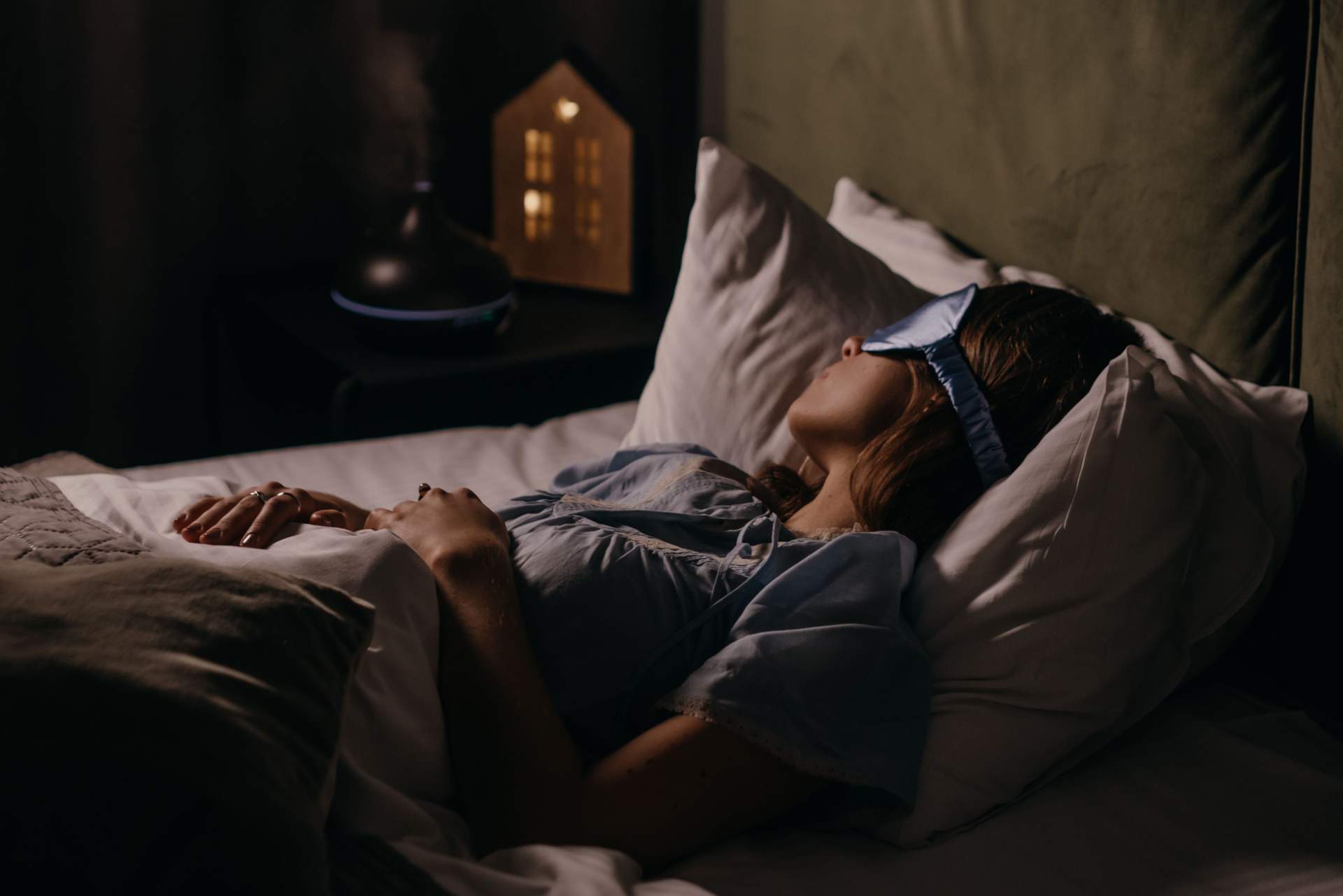
Sleeping with a fan on feels like the obvious solution on a hot night, but running it continuously while you sleep can dry out your eyes, nasal passages, and throat — leaving you waking up feeling worse than you went to bed.
Try using the fan to cool the room down before you fall asleep, then set a timer or use the auto-off function so it switches off once you're asleep.
Most modern fans have a sleep timer built in — it's worth using it. Your body will thank you in the morning.
4. Using the wrong type of fan for the space
Not all fans are created equal, and choosing the right type for each room makes a real difference. A loud desk fan in a home office is distracting. A basic floor fan in the bedroom might not offer the quiet, gentle airflow you need for good sleep.
For bedrooms, look for models with a dedicated night mode or ultra-quiet setting. For living areas, a ceiling fan or tower fan can circulate air more evenly. And if you're running a fan for hours every day, an energy-efficient model will save you money over the course of a summer.
A well-chosen, well-maintained fan can keep you comfortable all summer long — without the headaches, dry eyes, or wasted energy. Avoid these four mistakes and you'll get the most out of every cool breeze it delivers.