Olive oil has earned its reputation as one of the healthiest cooking oils on the planet. But here's the thing most people don't realize: used the wrong way, it can actually do more harm than good. From toxic compounds forming in an overheated pan to throwing money away on low-quality bottles, these four mistakes are more common than you'd think.
Storing it in the wrong place
This is probably the most widespread mistake — and one of the easiest to fix. Olive oil is surprisingly sensitive to light, heat, and air. Exposure to any of these causes it to oxidize quickly, stripping away its nutrients and flavor long before the bottle is empty.
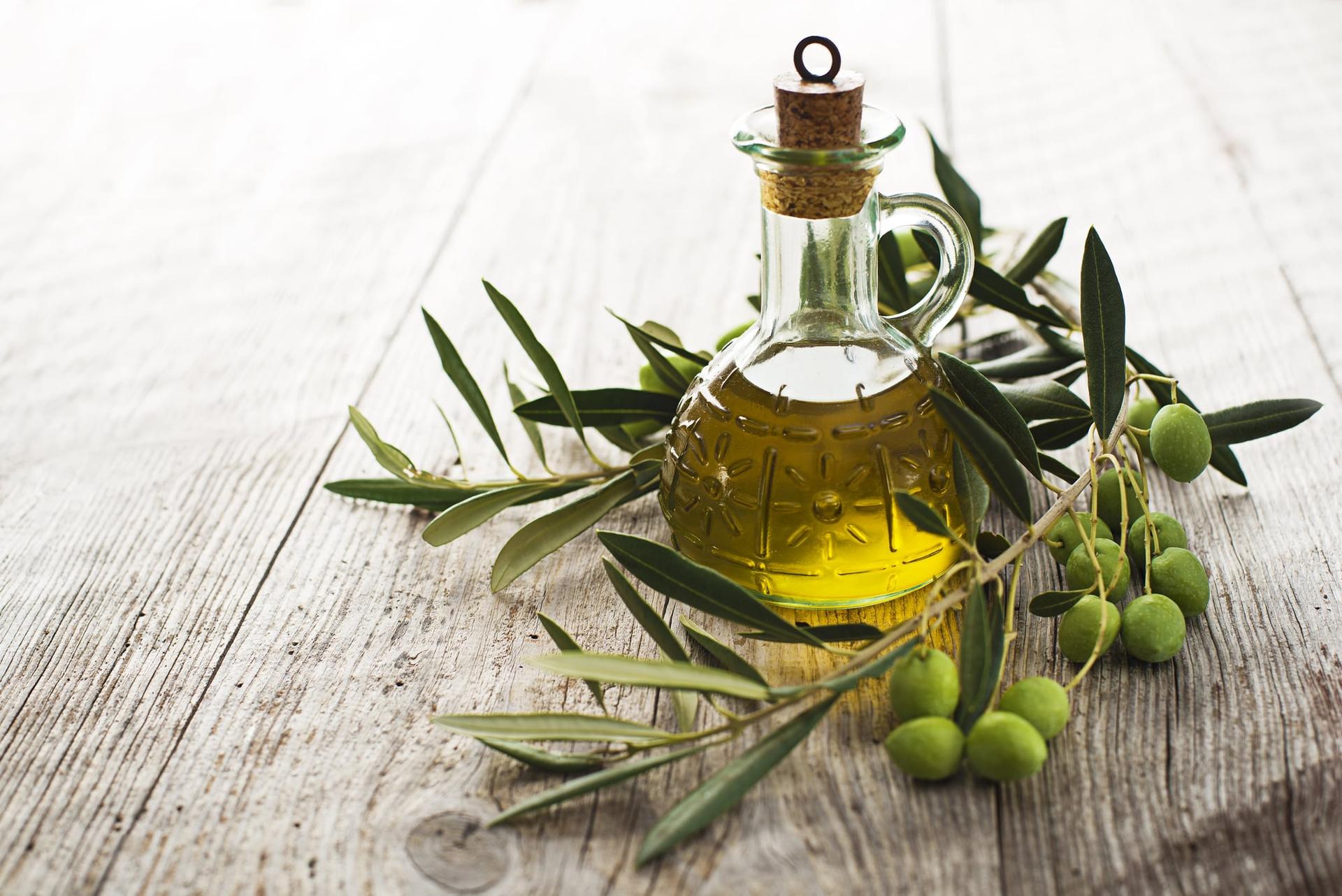
The solution is simple: store your olive oil in a cool, dark place, ideally in a dark glass or opaque bottle. That decorative clear glass bottle sitting on your sunny countertop? It's quietly ruining your oil every single day.
Overheating it in the pan
A lot of people assume olive oil is suitable for any cooking method, including high-heat frying. In reality, extra virgin olive oil has a relatively low smoke point — meaning it starts to break down and smoke at temperatures that are perfectly fine for other oils.
When olive oil overheats, it can produce harmful compounds, including substances that may become toxic with repeated exposure. For high-heat cooking, choose a more stable oil. Save your olive oil for gentle sautéing, steaming, and finishing dishes.
This doesn't mean you can never cook with it — just keep the heat low to medium, and never let it reach the smoking point.
Choosing price over quality
Olive oil varies enormously in quality, and the cheapest bottles on the shelf are often the worst offenders. Budget oils are frequently processed using methods that strip out the very compounds that make olive oil worth using in the first place.
Cold-pressed extra virgin olive oil is the gold standard — it retains the highest levels of antioxidants, healthy fats, and anti-inflammatory properties. It costs more, but a little goes a long way. Think of it as an investment in your health, not just an ingredient.
If you want to understand more about what makes extra virgin olive oil so beneficial — including its effect on digestion and bloating — it's worth looking into its specific health properties before your next shopping trip.
Using too much of it
Because olive oil is healthy, many people treat it as a free pass and pour it generously over everything. But olive oil is still calorie-dense — about 120 calories per tablespoon — and overdoing it can quietly sabotage a balanced diet.
The key is moderation. Use it to dress salads, drizzle over roasted vegetables, or finish a warm dish with a light pour. A small amount of high-quality olive oil delivers far more benefit than a large amount of a mediocre one.
Olive oil is genuinely one of the best things you can keep in your kitchen — but like most good things, it works best when used thoughtfully. Avoid these four mistakes and you'll get every bit of its flavor and health benefits, every time.