Sometimes you sit down at the table, look at your plate, and feel nothing. No hunger, no craving, no pull toward the food in front of you. It isn't an illness, it isn't a diet — the signal that usually arrives on its own has simply gone quiet.
If that feeling is familiar, here's some good news: appetite is largely something you can nudge and relearn. It's not only your stomach that decides how much you want to eat — your nose, your eyes, and your mood all have a say.
The smells that wake up your stomach
Smell influences appetite far more than most people realize. The aroma of a soup simmering on the stove, onions turning golden, or garlic sizzling in a pan almost automatically triggers saliva and the digestive juices your body needs.
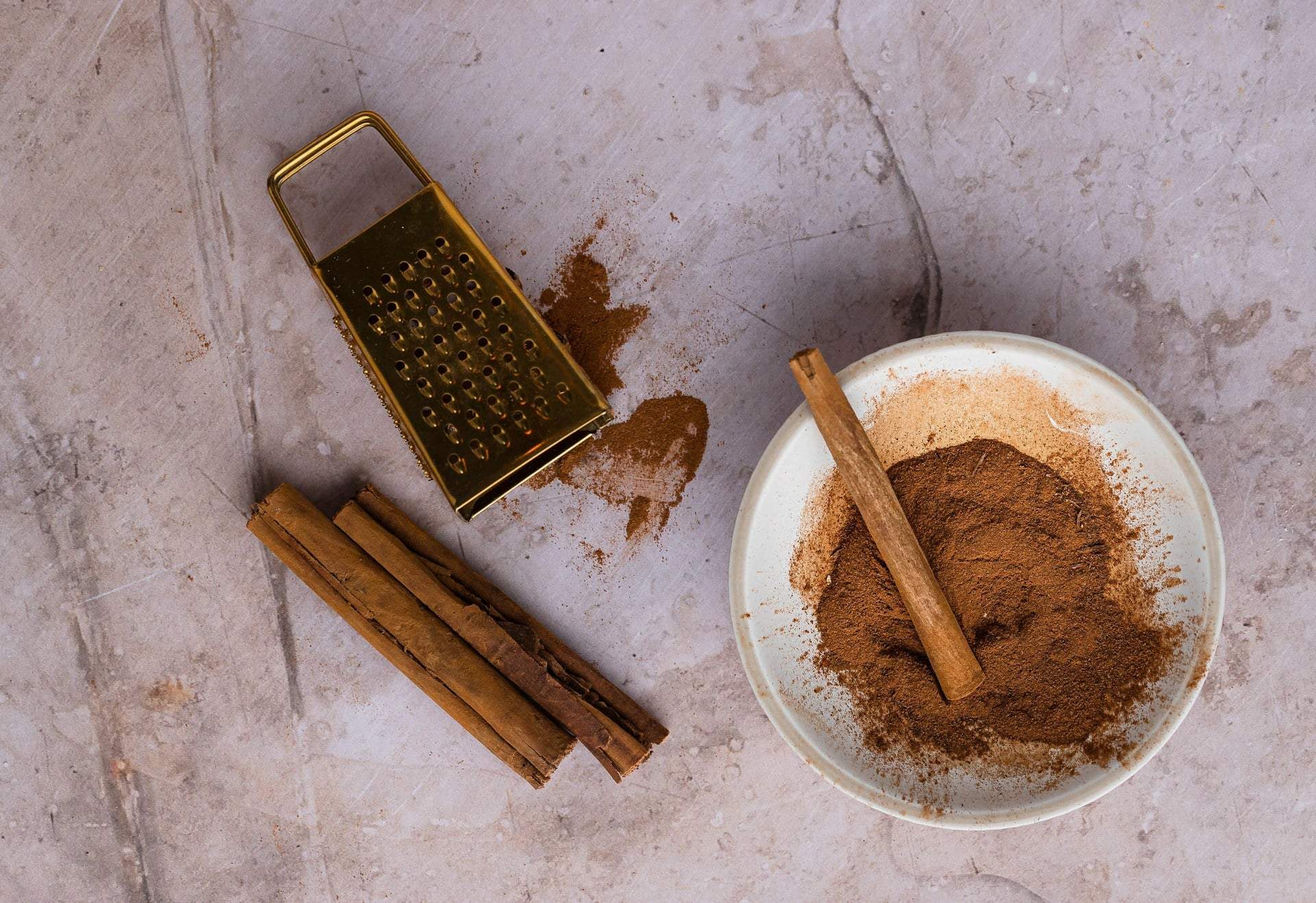
If your appetite has been low for a while, it's worth deliberately cooking foods with a strong, warm aroma: think cinnamon-baked apples, freshly ground pepper, or side dishes brightened with a little lemon zest.
- Use freshly ground spices instead of the pre-ground jars from the supermarket.
- Choose soups and steamed dishes that arrive at the table still gently steaming.
- Add fresh herbs generously — basil, dill, or parsley can transform an ordinary plate.
A colorful plate as bait
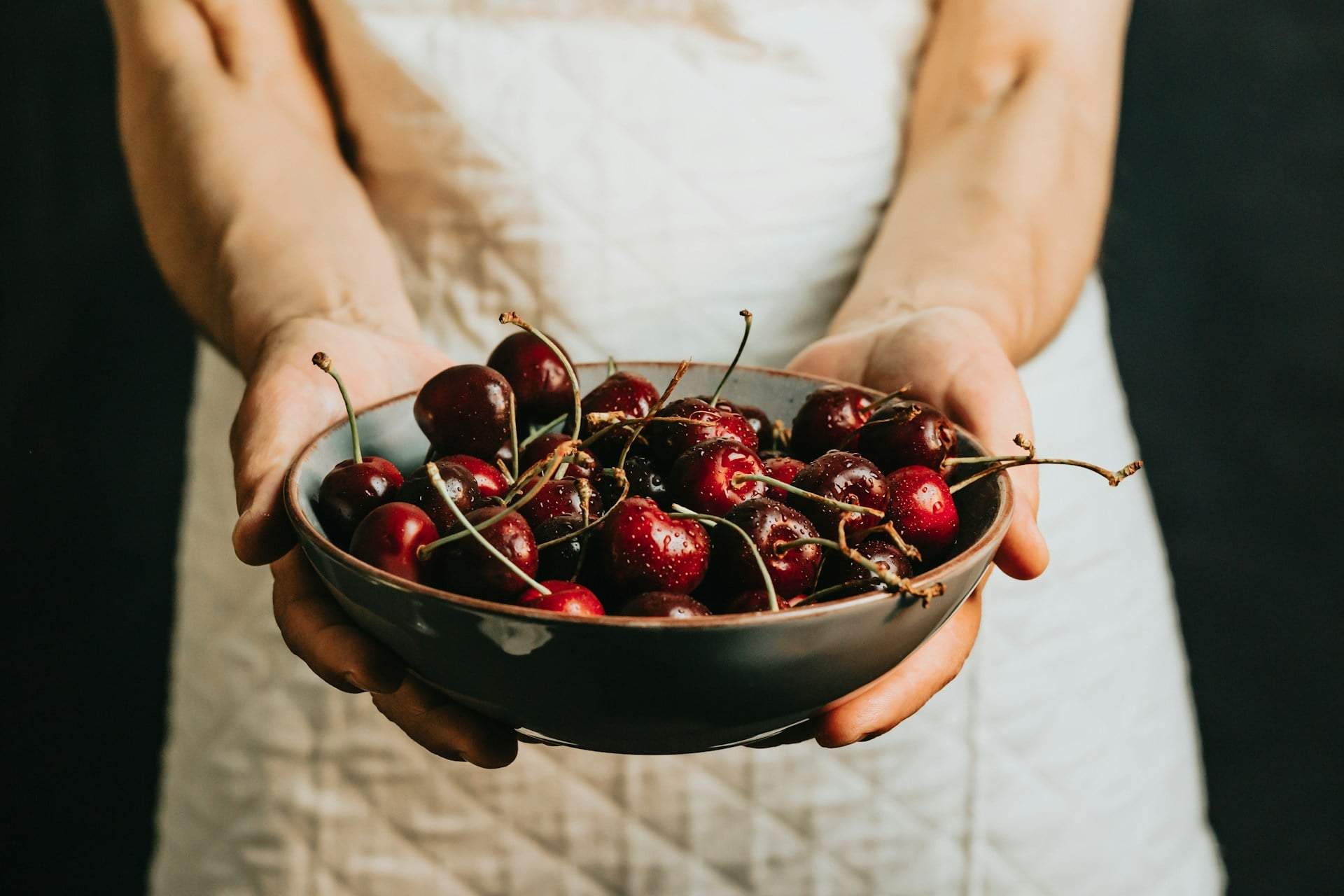
We really do eat with our eyes — it's not just a saying. A dull, grayish-brown plate is far less inviting than one where the red of a tomato, the green of spinach, or the orange of a carrot jumps out at you.
When your appetite is low, don't aim for big portions. Aim instead for a smaller but visually exciting plate. A few bites can be enough — as long as they actually look tempting.
Sour and spicy starters
Sour and spicy flavors are known to kick digestion into gear, so it's worth squeezing a little lemon over your salad or adding a slice of lime to your water before a meal.
Ginger — whether as a tea or grated into your food — is also famous for creating a pleasant, warming sensation in the stomach, and many people find it genuinely stirs their appetite.
Sometimes the goal isn't to eat more — it's simply to want something again.
Smaller portions, more often
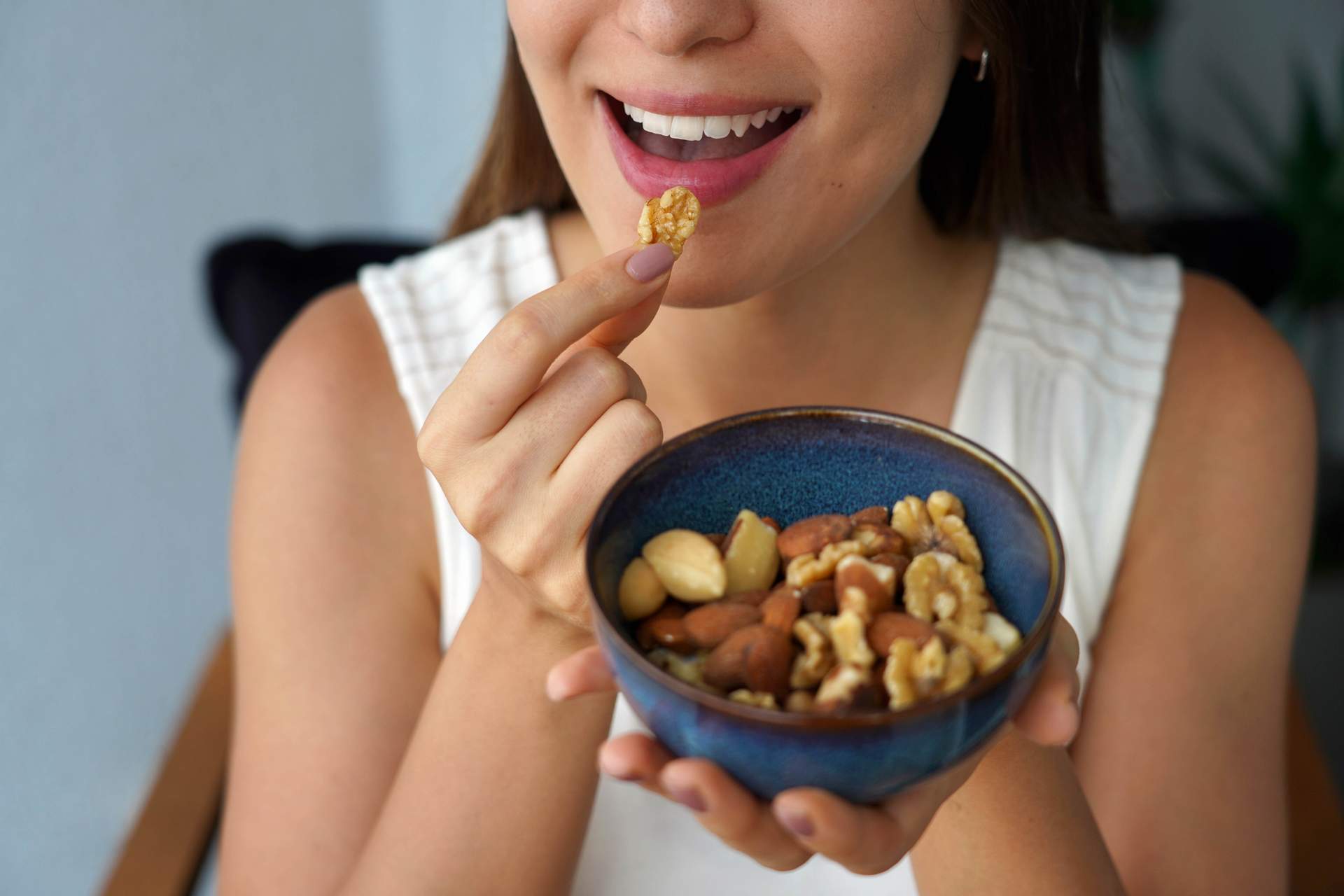
If even the idea of three big meals feels like too much for the day, try switching to five or six smaller portions. A handful of walnuts, a small bowl of yogurt with fruit, or a slice of cheese on whole-grain bread feels far less intimidating than a full plate. Frequent, tiny snacks can gradually retrain your body to expect regular meals again.
The role of company and mood
Many people notice that eating even half a plate alone feels like a chore, yet sitting down with friends or family makes it easy to lose track of how much you've eaten.
Whenever you can, share your meals with others. Set a nice tablecloth, light a candle, put on some music — the whole atmosphere surrounding a meal has a surprising amount to do with how much you actually crave it.
Movement as an appetite booster
A short walk in the fresh air, a few minutes of stretching, or an easy bike ride is often enough to wake up your appetite on its own, because after moving, your body naturally asks to be refueled.
You don't need a grueling workout. Even a half-hour walk before lunch can be enough to make sitting down at the table feel far more inviting afterward.
If your loss of appetite has lasted a long time, or comes with weight loss and fatigue, it's worth talking to a professional. In those cases, something more than a simple lack of enthusiasm for food may be at play.
Why do I suddenly have no appetite even when I'm not sick?
Appetite isn't controlled by your stomach alone — your sense of smell, what you see on your plate, and your mood all influence it. Sometimes the hunger signal simply goes quiet without any illness or diet behind it.
Which foods can help stimulate appetite?
Dishes with a strong, warm aroma tend to help, like cinnamon-baked apples or meals with freshly ground spices and herbs. Sour and spicy flavors, such as lemon, lime, and ginger, are also known to get digestion going.
What should I do if big meals feel overwhelming?
Switch to five or six smaller portions instead of three large meals. Small snacks like a handful of walnuts, yogurt with fruit, or cheese on whole-grain bread can gradually retrain your body to expect regular eating again.
When should I talk to a professional about my appetite?
If your loss of appetite has lasted a long time or comes with weight loss and fatigue, it's worth seeking advice. In those cases, something more than a passing lack of interest in food may be behind it.