Cinnamon is far more than a cozy addition to your morning oatmeal or a festive mulled wine essential. It's one of the oldest spices in the world — used for thousands of years not just for its warmth and aroma, but for its surprising effects on the body. But does it actually live up to the hype, and is it really safe for everyone to use freely?
Not all cinnamon is the same
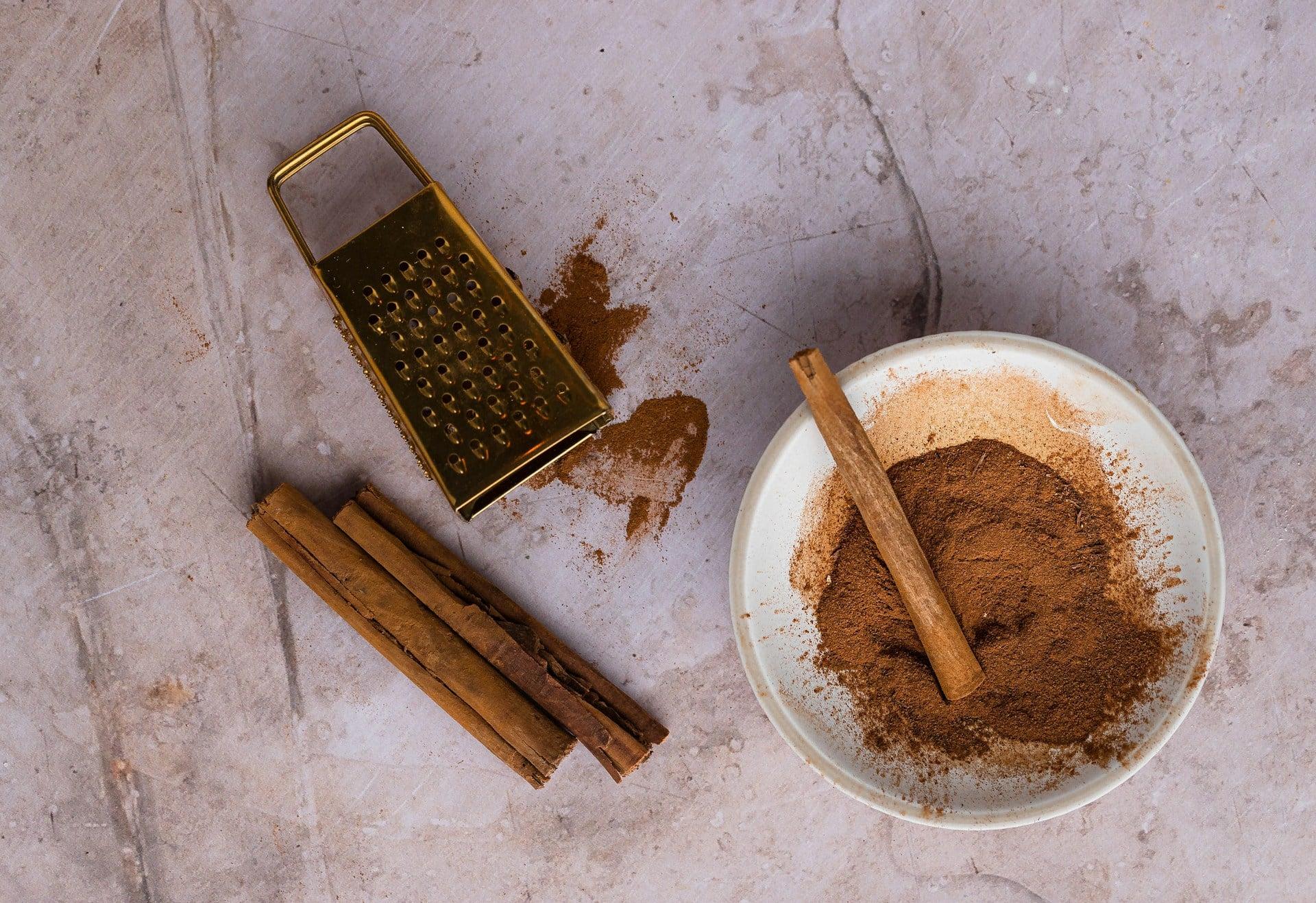
Cinnamon comes from the dried inner bark of the cinnamon tree, and there are two main types worth knowing about: Ceylon cinnamon and cassia cinnamon. The difference matters more than most people realize.
Cassia cinnamon — the kind typically found in standard supermarket ground cinnamon — contains significantly higher levels of coumarin, a compound that can put strain on the liver when consumed in larger amounts. Ceylon cinnamon, often labeled as "true cinnamon," contains far less coumarin and is considered the safer choice for regular use. It's also pricier and less common, but available in health food stores and specialty spice shops.
What it does for your digestion
One of the most well-known traditional uses of cinnamon is for easing digestive discomfort — think bloating, heaviness after a big meal, or an unsettled stomach. The essential oils in cinnamon may help calm the gut, which is why a simple cup of cinnamon tea after dinner can feel genuinely soothing.
Blood sugar and steady energy levels
Cinnamon is frequently mentioned in conversations about blood sugar balance, and for good reason. Observations and personal experience suggest that regular, moderate consumption may help reduce the sharp energy spikes and crashes that come from blood sugar fluctuations throughout the day.
That said, it's important to be clear: cinnamon is not a substitute for medical treatment or a prescribed diet. For people who are already mindful about what they eat, it can be a supportive, complementary habit — nothing more, nothing less.
Antioxidant and anti-inflammatory properties
Cinnamon is rich in polyphenols, plant compounds with antioxidant properties that help the body defend itself against oxidative stress. Over time, this kind of protection may contribute to better overall wellbeing — though the effect varies from person to person, and it's certainly no miracle cure.
Think of it as one small, consistent piece of a larger healthy lifestyle puzzle, rather than a single fix for everything.
Easy ways to use it every day
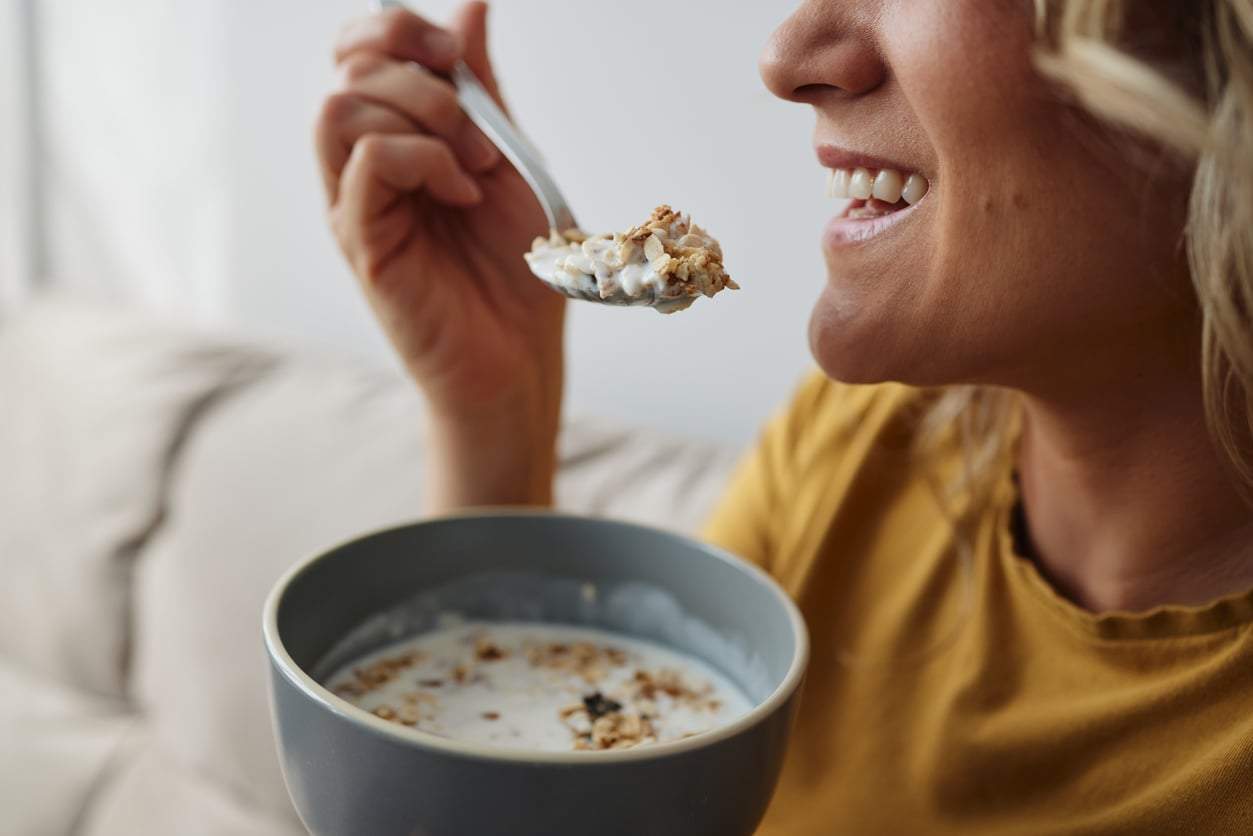
- Sprinkle it into your morning oatmeal or stir it into yogurt — even a pinch makes a difference.
- Mix it into hot water with honey and lemon for a calming, naturally sweet tea.
- Bake with it — it's perfect in apple or pear desserts where it adds a warm, lightly sweet depth without any added sugar.
- Drop a cinnamon stick into simmering water or herbal tea for a gentler, less intense flavor than the ground version.
- Add a pinch to your coffee for a warming, spiced twist on your usual morning routine.
Stick to no more than one to two teaspoons per day — especially if you're using cassia cinnamon. Its coumarin content means that going overboard can place unnecessary strain on your body over time.
Who should be cautious
Just because cinnamon is natural doesn't mean it's risk-free in any quantity. There are a few groups who should approach it more carefully:
- People with liver conditions should be particularly cautious with cassia cinnamon, as coumarin can affect liver function.
- During pregnancy, it's fine as a culinary spice, but consuming it in large amounts is not recommended.
- Anyone taking blood-thinning medication should talk to their doctor before making cinnamon a daily habit, as it may influence blood clotting.
- People with a sensitive stomach may find that larger amounts cause irritation — it's always best to start small and pay attention to how your body responds.
What to look for when buying cinnamon
If you want to make cinnamon a regular part of your diet with confidence, look specifically for Ceylon cinnamon. It's the lower-coumarin option, making it a safer choice for consistent daily use. It's often labeled as such on the packaging, but if you're unsure, a good spice shop or natural food store can point you in the right direction.
Freshness also matters. Cinnamon loses its aromatic intensity over time, so it's better to buy a smaller quantity, store it in a cool, dark, dry place, and replace it regularly rather than keeping an old jar at the back of the cupboard for years.
Is cinnamon actually good for you?
Yes — when used in moderate amounts, cinnamon offers real benefits including digestive support, antioxidant properties, and a potential role in helping stabilize blood sugar levels. It's not a cure-all, but it's a genuinely useful spice to include in a balanced diet.
What's the difference between Ceylon and cassia cinnamon?
Ceylon cinnamon (also called "true cinnamon") contains much lower levels of coumarin than cassia cinnamon, which is the type most commonly sold in supermarkets. For everyday use in larger amounts, Ceylon is the safer option for most people.
How much cinnamon is too much?
As a general guideline, no more than one to two teaspoons per day is recommended — especially for cassia cinnamon. Exceeding this regularly may stress the liver due to its coumarin content.
Can cinnamon replace diabetes medication?
No. While cinnamon may support blood sugar balance as part of a healthy diet, it is not a medical treatment and should never replace prescribed medication or a doctor-supervised diet plan. Always consult your healthcare provider if you have concerns about blood sugar management.