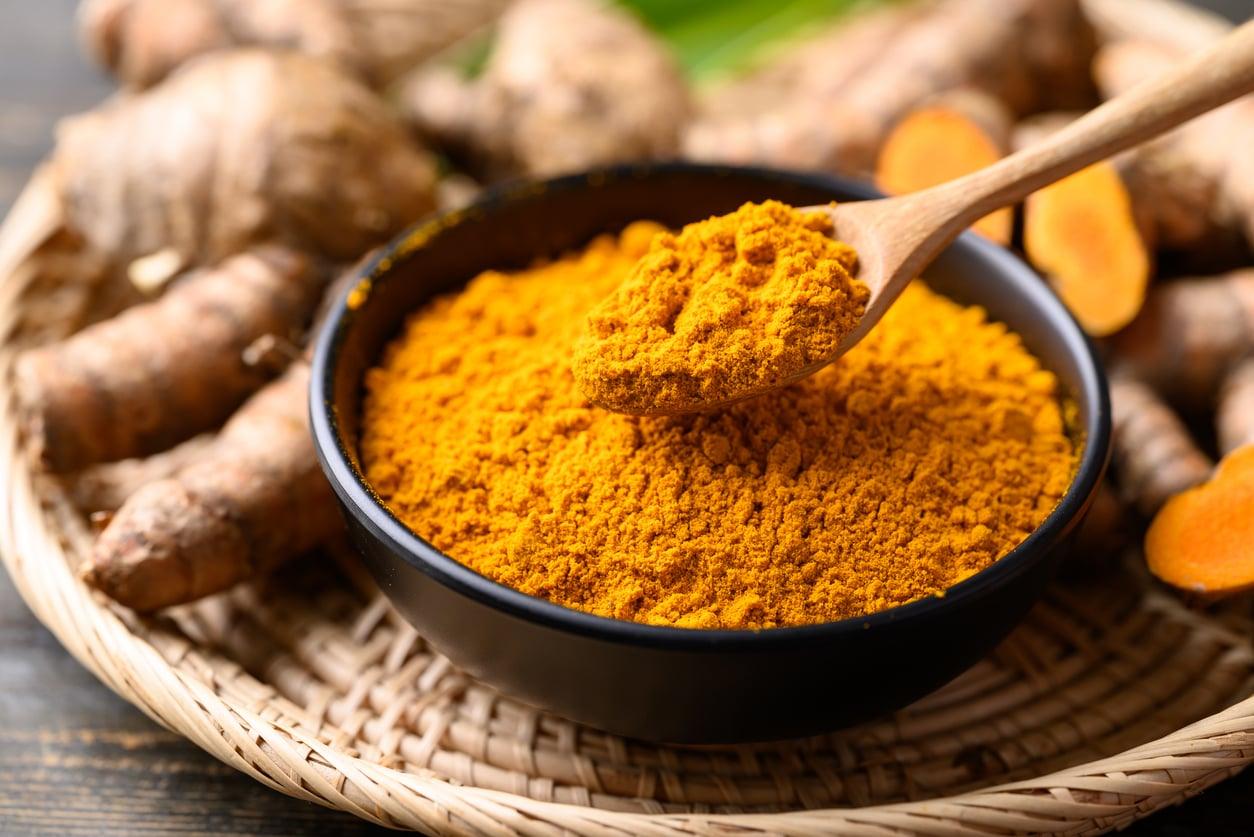
Turmeric has been sitting quietly in spice racks for centuries — but it deserves a spot much closer to the front. Used for thousands of years in traditional Indian medicine, this golden root is now getting serious attention from modern nutrition science too. And the reasons to start adding a pinch to your day might surprise you.
What makes turmeric so special?
Turmeric comes from the root of a plant in the ginger family, and its deep golden color comes from a compound called curcumin. Curcumin is what researchers are most excited about — it has well-documented anti-inflammatory and antioxidant properties that set turmeric apart from most kitchen spices.
That said, curcumin is present in relatively small concentrations in the raw or dried root — and on its own, your body doesn't absorb it particularly well. The good news? There's an easy fix for that (more on this below).
What can regular turmeric consumption actually do for you?
Turmeric isn't a miracle cure, and it's not a substitute for medical treatment. But as a daily complement to a healthy lifestyle, many people report real benefits — and the science backs up several of them.
- Easier digestion: Turmeric has traditionally been used to ease bloating and sluggish digestion, partly because it can stimulate bile production in the liver.
- Joint comfort: Thanks to its anti-inflammatory properties, turmeric is popular among people dealing with joint discomfort who want a natural supplement to support mobility.
- Antioxidant protection: Curcumin helps neutralize free radicals — the unstable molecules that can damage cells over time.
- Immune support: Its anti-inflammatory and antibacterial qualities make turmeric a go-to spice during cold and flu season.
- Mood and wellbeing: Some observations suggest a link between regular turmeric consumption and a more balanced mood — though this area is still being actively researched.
How to actually get the most out of it
Here's the key thing most people miss: curcumin is fat-soluble, meaning your body absorbs it much better when it's consumed alongside a healthy fat like olive oil or coconut oil. Even more importantly, black pepper dramatically boosts absorption — its active compound, piperine, has been shown to increase curcumin bioavailability significantly. This is exactly why traditional Indian cooking almost always uses the two together.
So don't just sprinkle turmeric on top of your food. For real benefit, pair it with a pinch of black pepper and a little oil every time.
Simple ways to build it into your daily routine
Turmeric is surprisingly versatile, and you don't need complicated recipes to use it well.
- Golden milk: Stir turmeric, a pinch of black pepper, and a little honey into warm plant-based milk for a soothing evening drink.
- Soups and stews: Add it at the start of cooking for a deeper, earthier flavor and a beautiful color.
- Rice and quinoa: Add a pinch to the cooking water for an easy golden hue with no extra effort.
- Roasted vegetables: Toss veggies in olive oil and turmeric before roasting — they caramelize beautifully and taste even better.
- Smoothies: A small pinch blends surprisingly well with fruit, ginger, and lemon for an anti-inflammatory boost.
Fresh root or ground powder — which should you choose?
Fresh turmeric root has a more intense, slightly sharper flavor and higher moisture content, so a little goes a long way. Dried, ground turmeric is more concentrated, stays fresh longer, and is the more practical everyday choice for most home kitchens.
Store ground turmeric in small quantities in a tightly sealed, dark container — light and air degrade its essential oils quickly and reduce its potency.
A few things to keep in mind
Turmeric is a natural spice, but that doesn't mean more is always better. In large amounts over a long period, it can cause digestive discomfort in some people. It can also interact with certain medications — particularly blood thinners — so if you have a chronic condition or take regular medication, check with your doctor or a registered dietitian before adding high-dose turmeric supplements to your routine.
The everyday culinary amounts — a pinch here, a teaspoon there — are considered safe for most healthy adults. And at those quantities, they're more than enough to let this golden spice do what it does best: make your meals, and your days, a little brighter.
Is a pinch of turmeric a day really enough to make a difference?
For culinary use, yes — small daily amounts are safe and, over time, can contribute meaningfully to your overall antioxidant and anti-inflammatory intake. The key is consistency and pairing it with black pepper and a healthy fat for better absorption.
Why does black pepper make turmeric more effective?
Black pepper contains a compound called piperine, which has been shown to significantly increase the body's ability to absorb curcumin — the active ingredient in turmeric. Without it, much of the curcumin you consume simply passes through without being absorbed.
Can turmeric interact with medications?
Yes, in higher doses turmeric can interact with certain medications, particularly blood thinners. Culinary amounts are generally considered safe, but if you take regular medication or have a chronic health condition, it's worth consulting your doctor before using turmeric as a supplement.
Is fresh turmeric better than the dried powder?
Both have their merits. Fresh root offers a more intense, slightly sharper flavor, while dried ground turmeric is more concentrated and practical for everyday cooking. For most people, the ground version is the easier and more consistent choice.