If you're chasing a long, healthy life, you probably already move your body, eat your greens, and try to get enough protein every day. And in recent years, one habit has become almost synonymous with wellness: eating more and more protein.
Protein bars, protein powders, meat-heavy plates, egg-based breakfasts — your feed is full of them. But here's the twist most people miss: when it comes to protein, it's not just how much you eat that matters. It's where it comes from.
According to longevity researchers, leaning too hard on animal protein may actually do the opposite of what you're hoping for. Over time, it could accelerate aging and raise your risk of several chronic diseases.
We need protein — just not in unlimited amounts
Let's be clear: protein is essential. It keeps your muscles, hormones, enzymes, and immune system working properly, so getting enough of it matters at every stage of life.
Dr. Suzanne J. Ferree, a family physician specializing in anti-aging and regenerative medicine, told HuffPost that protein becomes especially important after the age of 50. As we get older, muscle mass naturally declines, so an aging body may need slightly more protein to hold on to it.
But — and this is the key part — that doesn't mean the more protein you eat, the healthier you'll be.
The biggest mistake: too much animal protein
Dr. Monisha Bhanote, a longevity expert and physician focused on aging, says many people fall into the same trap. In the name of building muscle and living longer, they build their entire diet around meat, dairy, and eggs.
These are valuable protein sources, yes. But eating too much of them can trigger unwelcome processes in the body over time.
According to Bhanote, the problem really shows up when someone gets the bulk of their daily protein from red meat, processed meat products, or large amounts of dairy.
The compounds that may speed up aging
Bhanote explains that overdoing animal protein can harm your cells through two important mechanisms.
1. AGEs compounds
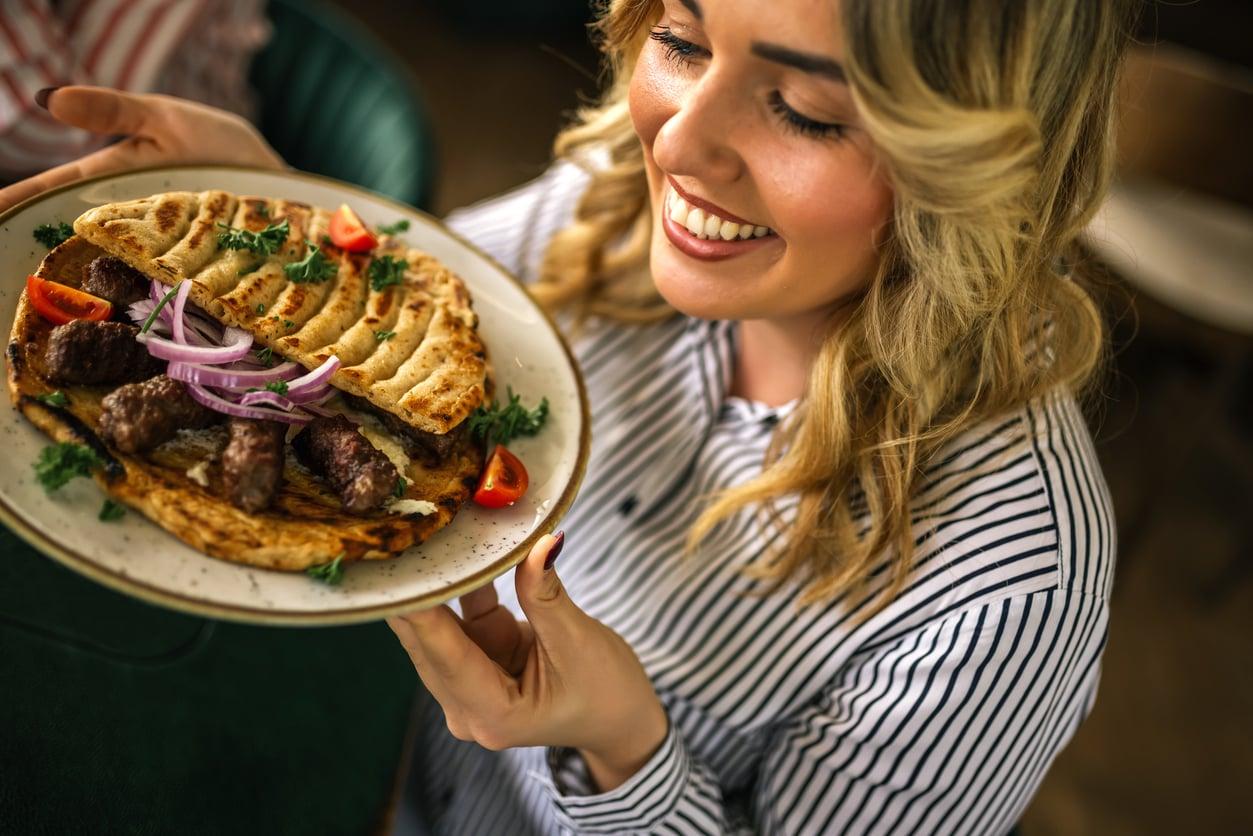
So-called advanced glycation end products (AGEs) form when proteins or fats bond with sugar molecules inside the body. They're especially concentrated in meat cooked at high temperatures — think grilling, frying, or searing.
Research suggests these compounds can build up in your tissues over time, fueling oxidative stress and chronic inflammation. Those processes may push your cells to age faster and raise the risk of diabetes, cardiovascular disease, and even Alzheimer's.
2. TMAO
The other much-studied compound is trimethylamine N-oxide (TMAO), which your body produces after eating certain animal foods, with help from your gut microbiome.
Numerous studies have linked high TMAO levels to a greater risk of atherosclerosis, heart attack, and stroke. Experts say it may encourage cholesterol to build up in artery walls, trigger inflammation, and — over the long run — take a toll on your heart and blood vessels.
Some popular diets don't support a long life either
Raghav Sehgal, a PhD student researching aging at Yale University, points out that many people follow quick-fix diets that don't necessarily serve their health in the long term.
The ketogenic diet is one example. It slashes carbohydrates while putting a heavy emphasis on fats and protein. Under medical supervision it can be justified in certain cases — but in practice, many people run it on huge amounts of meat and eggs, which may not be the smartest choice from a longevity standpoint.
The bottom line from the research? A high-protein diet, on its own, is no guarantee of a long life. What matters far more is the type of protein you eat and how balanced your overall diet is.
Which protein sources actually support a longer life?
On this, the experts agree: it's worth giving a bigger role to plant-based proteins.
Great options include:
- beans
- lentils
- chickpeas
- soy and tofu
- nuts
- seeds
These foods aren't just rich in protein — they also deliver plenty of fiber, antioxidants, vitamins, and minerals. On top of that, they're naturally low in AGEs and don't contribute to TMAO production.
Experts also give the thumbs-up to fish. Yes, it's an animal protein, but its nutritional profile is very different from red meat. Regularly eating omega-3-rich seafood has been linked in multiple studies to better cardiovascular health, sharper brain function, and a lower risk of early death.
The real secret is balance
The experts are careful to stress one thing: the goal isn't to cut out animal protein entirely. Your body needs an adequate amount of protein, especially as you get older.
The real problem arises when your diet is built almost exclusively around meat and other animal proteins, while vegetables, legumes, whole grains, and other plant foods get pushed to the sidelines.
Based on the current science, a long life is best supported by a balanced, varied, plant-forward diet — one with enough protein, but not too much, and where a big share of that protein comes from plants.
In other words, the secret to longevity isn't stacking up as much protein as possible. It's finding the right balance.
Is a high-protein diet bad for you?
Not necessarily — protein is essential for muscles, hormones, and immunity. The issue is relying too heavily on animal protein, especially red and processed meats, while neglecting plant foods.
Which proteins are best for a long life?
Experts point to plant-based sources like beans, lentils, chickpeas, soy, tofu, nuts, and seeds, along with omega-3-rich fish. These support longevity better than diets dominated by red meat.
What are AGEs and TMAO?
AGEs are compounds that form when proteins or fats bond with sugar, especially in high-temperature cooked meat, and may fuel inflammation and aging. TMAO is produced after eating certain animal foods and has been linked to heart disease and stroke.
Do I need to give up meat completely?
No. The goal isn't total elimination — your body still needs enough protein, particularly as you age. The key is balance, with more plant-based foods and less reliance on meat and dairy.