You've probably scrolled past a video swearing that a quick soak in baking soda water strips pesticide residue off your produce and leaves it spotlessly clean.
But does it really work? The good news: scientists have actually studied this. The less satisfying news: the answer isn't black and white.
Yes, baking soda can help — but it's no miracle cure
Baking soda is mildly alkaline, which can help loosen dirt on the surface of fruits and vegetables — and break down certain pesticide residues sitting on the skin.
A 2017 study published in the Journal of Agricultural and Food Chemistry backs this up. Researchers at the University of Massachusetts tested which method removed two common pesticide residues most effectively from the surface of apples. They compared plain tap water, a commercial bleach wash, and a baking soda solution. The baking soda solution removed the surface residue of both pesticides most effectively — in about 12 to 15 minutes.
But the study came with an important catch: whatever had already been absorbed into the skin or flesh of the fruit, baking soda couldn't touch. In other words, this trick only helps with residue that's still sitting on the surface.
So when is it worth doing?
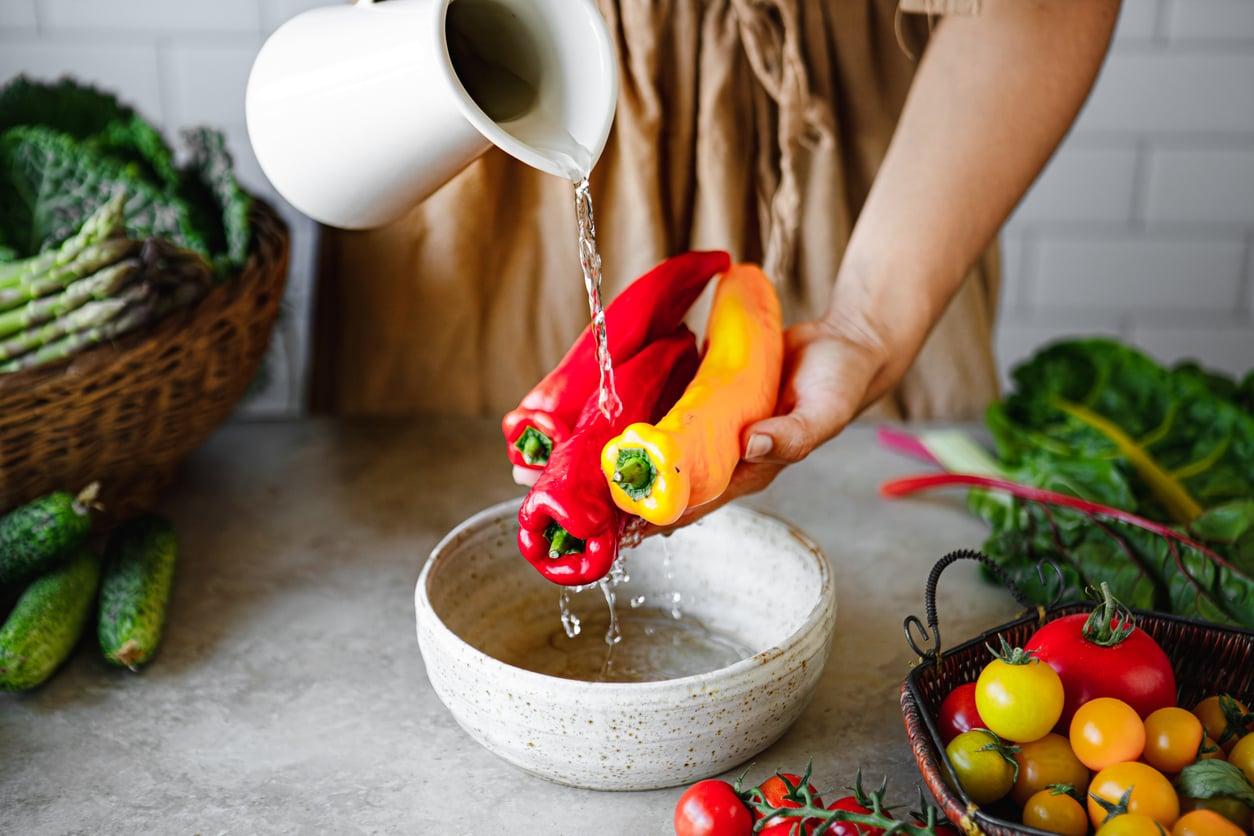
If you want to give firmer-skinned vegetables a more thorough clean — think cucumbers, peppers, potatoes, carrots, broccoli or cauliflower — a baking soda soak can genuinely help.
The ratio experts suggest:
- 2 cups (about 500 ml) of cold water
- 1 teaspoon of baking soda
Soak your vegetables in this solution for no more than 15 minutes, giving them a stir now and then, then rinse thoroughly under plenty of running water.
Got a bigger batch? Just scale up the water and baking soda in the same proportion.
Not every vegetable likes it
While this method works well for firmer produce, it's not always a good idea for leafy greens. Spinach, lettuce, kale and other delicate leaves can bruise more easily during a longer soak, soak up water, and spoil faster.
Mushrooms are another one to skip — they absorb moisture incredibly fast, which ruins their texture.
What most people get wrong
Baking soda doesn't disinfect. It can help lift off dust, soil and some surface pesticide residue, but it won't kill bacteria, viruses or parasites. If a pathogen is stuck firmly to the surface — or has made its way inside the plant — baking soda won't get rid of it. That's why proper storage, clean kitchen tools and avoiding cross-contamination still matter just as much.
This is exactly why the U.S. Food and Drug Administration (FDA) and the Centers for Disease Control and Prevention (CDC) still recommend simply washing most fruits and vegetables under cold, running water.
Dish soap and other cleaning products aren't recommended either, since their residues can easily linger on your produce.
What about pesticides?
Pesticides worry a lot of people, but it's worth knowing that residue levels are strictly monitored in the European Union. According to regular reports from the European Food Safety Authority (EFSA), the vast majority of food sold in the EU stays well below the safe limit.
That doesn't mean washing your produce is pointless. Rinsing removes not only some pesticide residue, but also the dust, soil and grime picked up during transport and shopping.
5 mistakes worth avoiding
1. Don't soak for too long.
Anything beyond 15 minutes can start to damage the texture of your vegetables.
2. Don't mix it with vinegar.
Plenty of people assume vinegar and baking soda together must be extra powerful. In reality, it's the opposite: vinegar is acidic, baking soda is alkaline, so they simply cancel each other out.
3. Don't use more baking soda than needed.
More isn't better here. Too much can leave a residue on your produce and even alter its taste.
4. Don't skip the rinse.
After soaking, always rinse your vegetables thoroughly under running water.
5. Don't expect miracles.
Baking soda can be a useful extra step, but it doesn't replace proper food-safety habits, and it won't erase every trace of pesticide.
So, is it worth it?
If you'd like to add an extra step to cleaning your produce, a baking soda soak can be a solid choice — especially for firmer-skinned fruits and vegetables. Research suggests it really can remove certain surface pesticide residues more effectively than plain tap water. That said, don't put too much faith in it: it won't remove compounds that have already worked their way inside the plant, and it doesn't disinfect.
The most important habit of all remains simple: always wash your fruits and vegetables under running water before eating them — that one small routine makes a real difference for food safety.
Does baking soda remove all pesticides from produce?
No. A baking soda soak can help remove certain pesticide residues sitting on the surface, but it can't reach anything that has already absorbed into the skin or flesh of the fruit or vegetable.
How long should I soak vegetables in baking soda water?
No longer than 15 minutes. Beyond that, the soak can start to damage the texture of your produce. Stir them occasionally and rinse thoroughly under running water afterward.
Which vegetables shouldn't be soaked in baking soda?
Leafy greens like spinach, lettuce and kale can bruise and soak up water, spoiling faster. Mushrooms should also be skipped, since they absorb moisture very quickly and lose their texture.
Does baking soda kill bacteria on fruits and vegetables?
No. Baking soda can lift dust, soil and some surface residue, but it doesn't kill bacteria, viruses or parasites. That's why proper storage and avoiding cross-contamination still matter.
What's the simplest way to wash produce safely?
Health authorities like the FDA and CDC recommend simply washing most fruits and vegetables under cold, running water. Dish soap and cleaning products aren't advised, since their residues can linger.