You've seen those videos. The influencer who makes oat milk from scratch, packs homegrown organic apple purée into her kid's lunchbox, and somehow has time to do all of it before 8 a.m. The message is subtle but clear: if you're not cooking everything from scratch, you're not really taking care of your family.
But let's be honest. Most of us don't have endless hours or an unlimited grocery budget. And that's completely fine — because eating well doesn't require any of that.
Registered dietitian Anthea Levi points out that fresh produce is often the most expensive option in the store — and also the one most likely to wilt, rot, or turn into a sad, slimy mess at the bottom of your fridge before you even get to it. It's time to give frozen, canned, and packaged foods the credit they deserve.
Your freezer and pantry are your best allies
The single biggest advantage of frozen and canned foods? They're patient. They don't spoil after two days. They don't guilt-trip you from the vegetable drawer. They're there when you need them, months later, still perfectly good.
Frozen spinach never wilts. Canned fish waits quietly on the shelf until you're actually in the mood to cook it. That kind of reliability is genuinely valuable — especially on busy weeknights when fresh ingredients just aren't an option.
Nutrition expert Desiree Nielsen calls it one of the biggest myths in food culture: the idea that packaged automatically means unhealthy. "Canned peas or frozen fruit often have nearly identical nutritional value to fresh — because they're processed immediately after harvest, at peak ripeness," she explains.
How to shop smarter in the packaged foods aisle
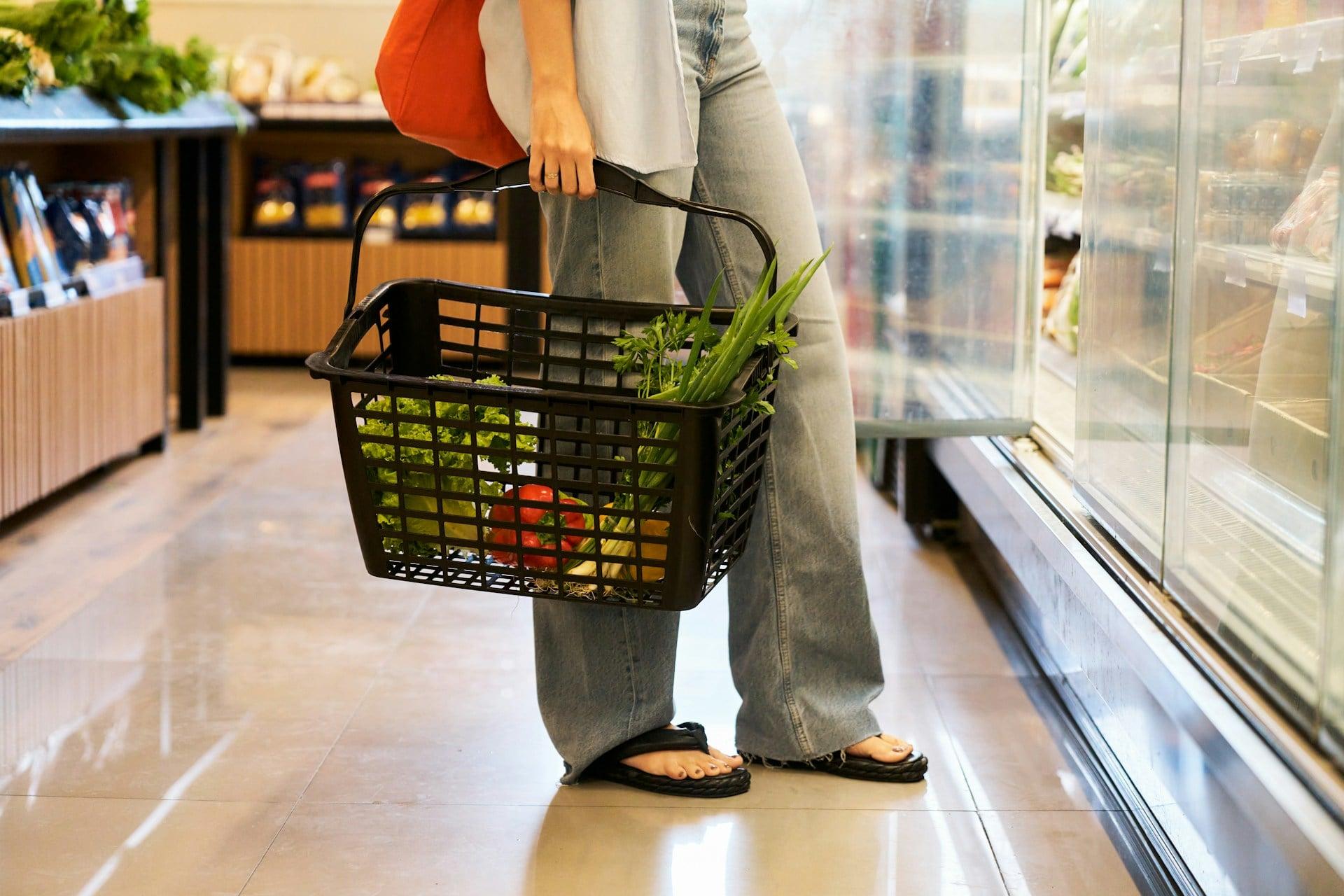
Not all packaged foods are created equal — but a few simple habits will help you pick the best ones every time:
- Shorter ingredient lists are usually better. If a can of peas contains just peas and water, or a jar of peanut butter lists only peanuts and salt, you're in great shape. These are essentially as nutritious as their fresh counterparts.
- Don't be scared off by scientific-sounding names. Ascorbic acid is just vitamin C. Many staple foods — like milk or breakfast cereals — are fortified with important vitamins and minerals, which is actually a good thing.
- Watch the sodium and sugar. This is where things can go sideways. With canned goods, look for "low sodium" or "no added salt" on the label. For fruit, skip the syrup-packed versions and go for fruit in its own juice — or just buy it frozen.
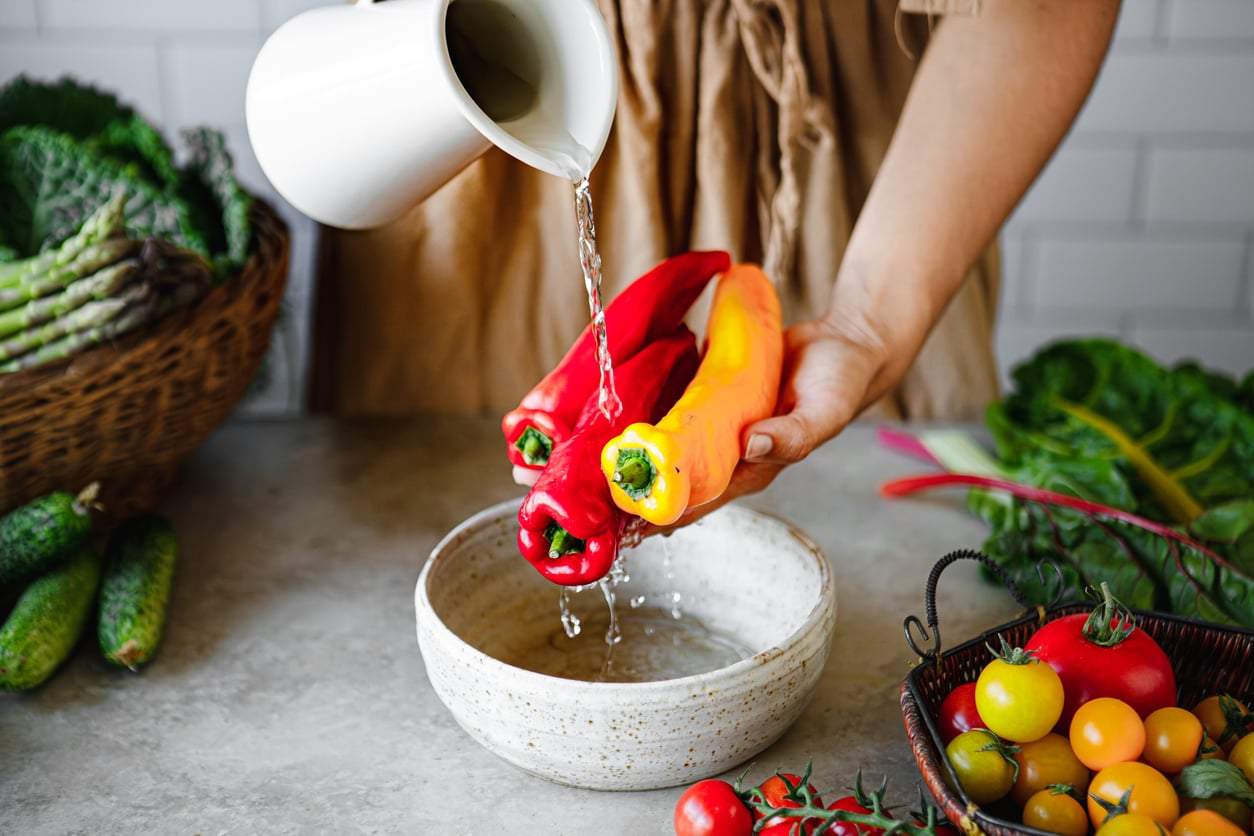
Pro tip: Rinsing canned beans or lentils under running water can reduce their sodium content by up to 40%. A small step that makes a real difference.
Kitchen tricks: how to make frozen vegetables taste great
A lot of people avoid frozen vegetables because they expect them to turn out mushy and bland. The secret is in how you cook them.
Nielsen's advice: never thaw them first. Go straight from freezer to hot pan. Roast them in the oven, toss them in an air fryer, or sear them in a hot skillet. High, dry heat gives frozen vegetables a much better texture than steaming or boiling ever will — and it brings out their natural sweetness too.
The plate method: a quick, balanced meal with zero guilt
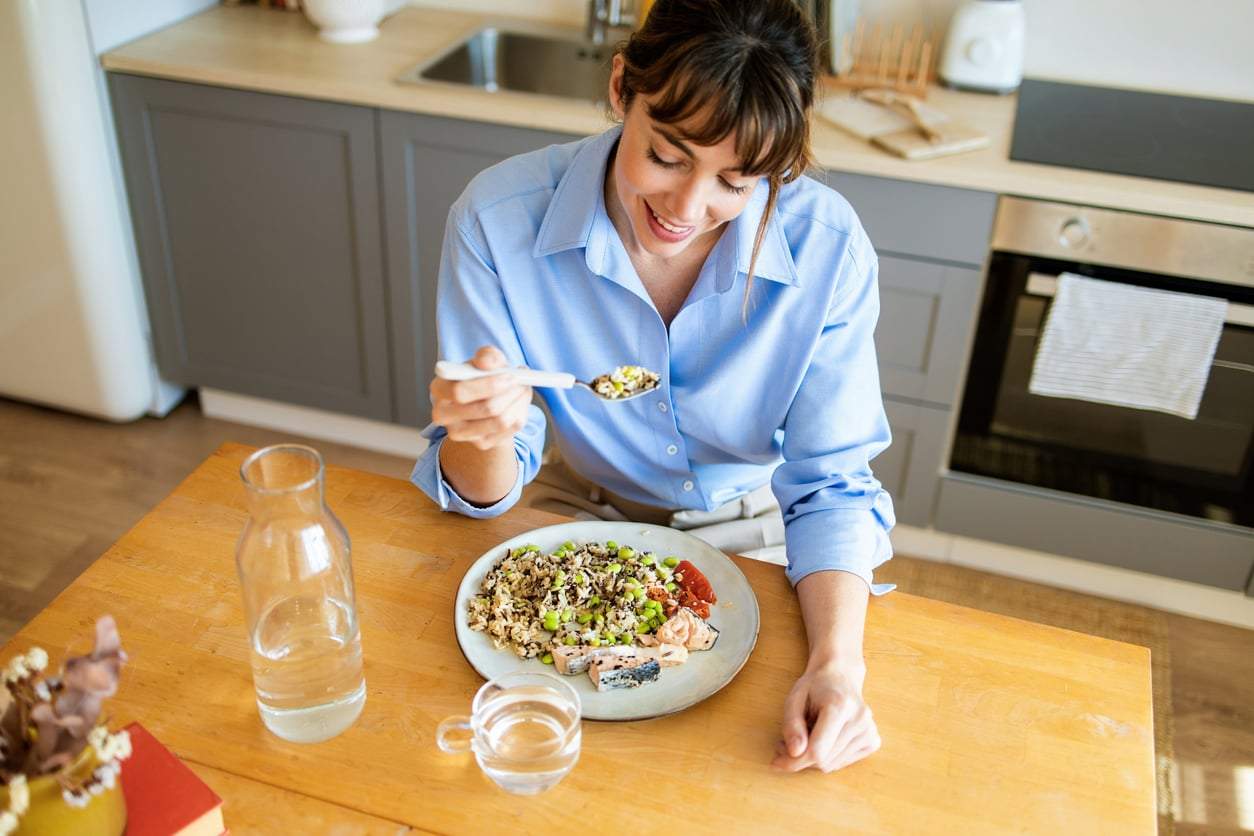
You don't need to spend an hour at the stove to eat a genuinely balanced dinner. Nutrition experts love this simple framework — and it works perfectly with pantry staples:
- Fill half your plate with vegetables — roasted frozen broccoli counts completely.
- Fill a quarter with protein — canned sardines, chickpeas, or white beans are all excellent choices.
- Fill the last quarter with whole grains — brown rice, wholegrain pasta, or whatever you have on hand.
If canned beans or frozen berries are what makes it possible for you to eat more vegetables and get more vitamins into your day, then that's exactly what you should be doing. "Good enough" done consistently is far more sustainable — and far healthier — than chasing perfection and burning out.