What if the food on your plate could keep your brain two years younger? A compelling new study suggests that one specific eating pattern does exactly that — and the best part is, it's full of foods you'll actually enjoy.
Researchers found that people who followed the MIND diet consistently showed significantly slower structural aging of the brain. We're talking about more than two years of difference — not in how old you feel, but in how old your brain actually looks on a scan.
What is the MIND diet, and why is everyone talking about it?
The MIND diet (Mediterranean-DASH Diet Intervention for Neurodegenerative Delay) combines the best elements of two well-researched eating styles: the Mediterranean diet and the blood-pressure-lowering DASH diet. The result is a thoughtfully designed nutritional framework with one specific goal: protecting the brain.
The focus is on plant-rich, nutrient-dense foods that have been shown to support memory and cognitive function. CNN Health highlighted the diet as one of the most promising nutritional approaches for long-term brain health.
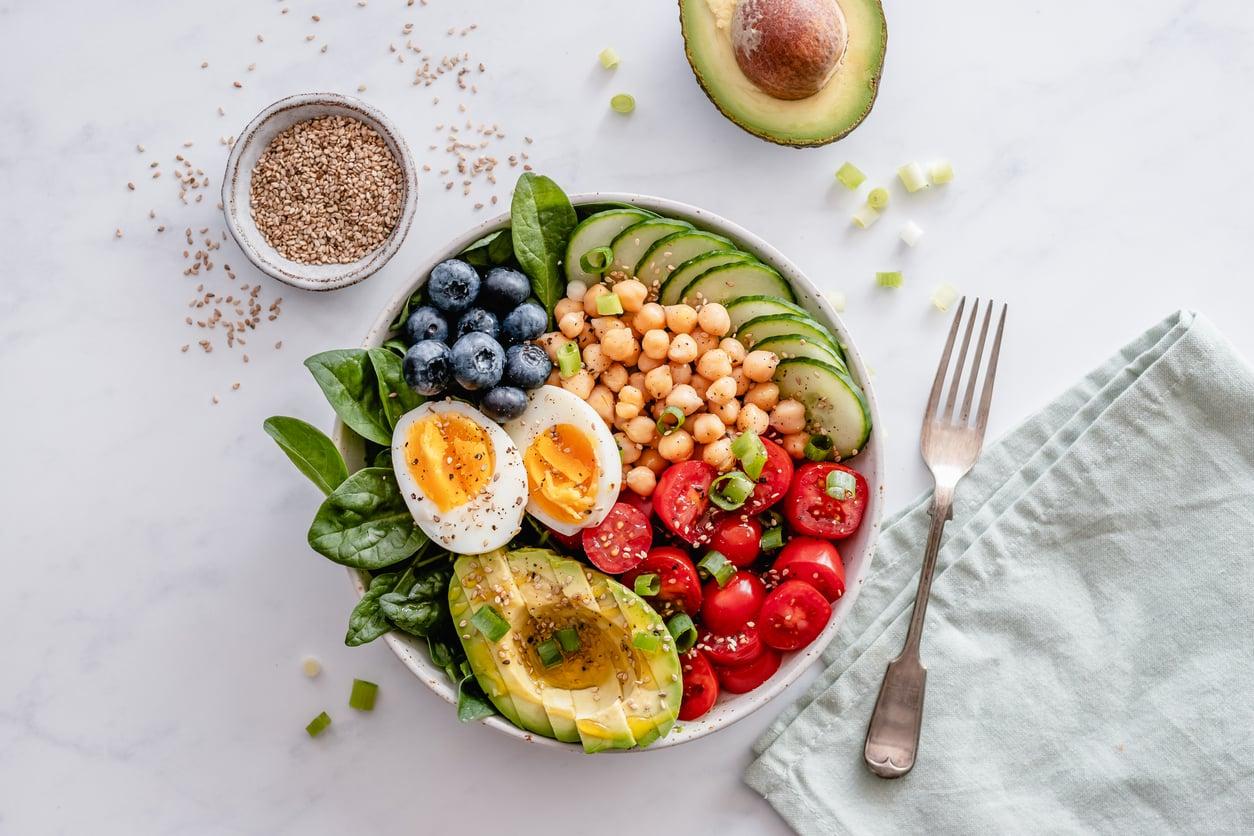
Core foods of the MIND diet include:
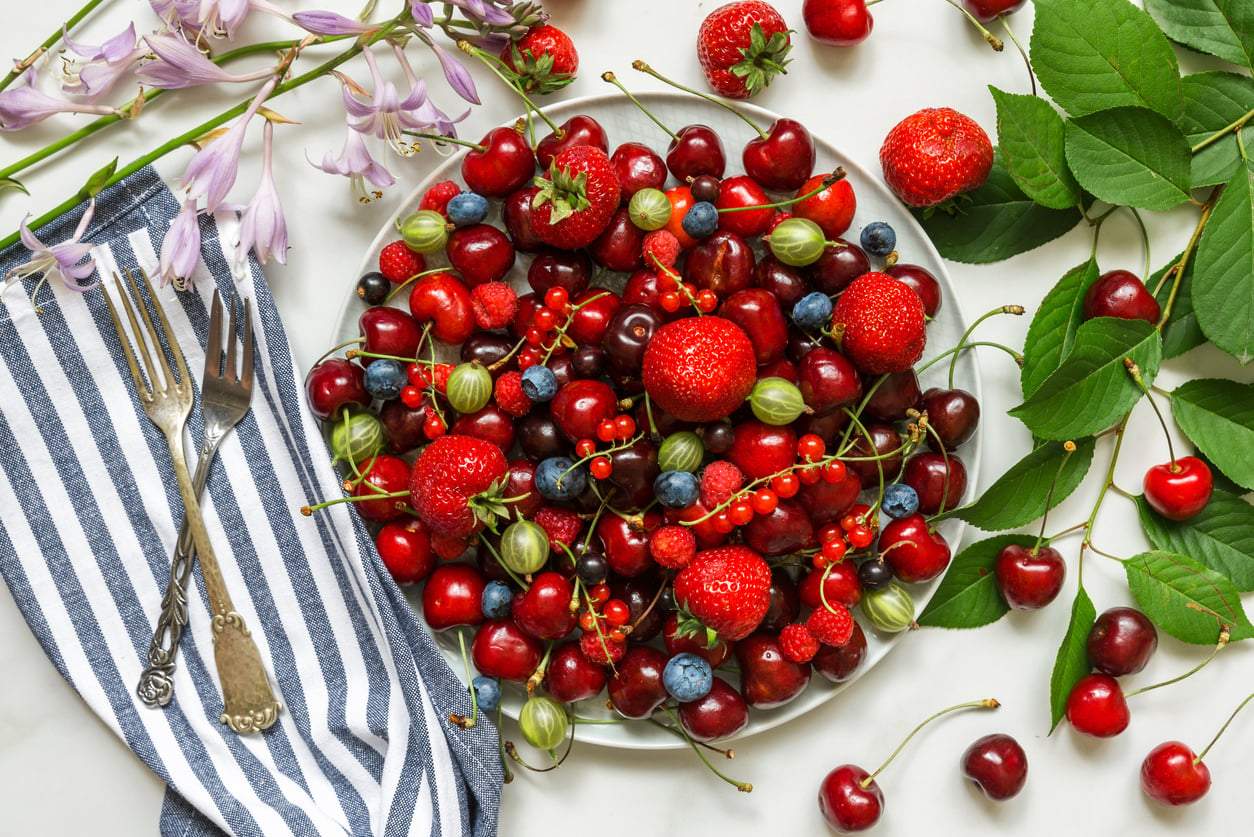
- Berries and other antioxidant-rich fruits
- Leafy green vegetables
- Legumes and beans
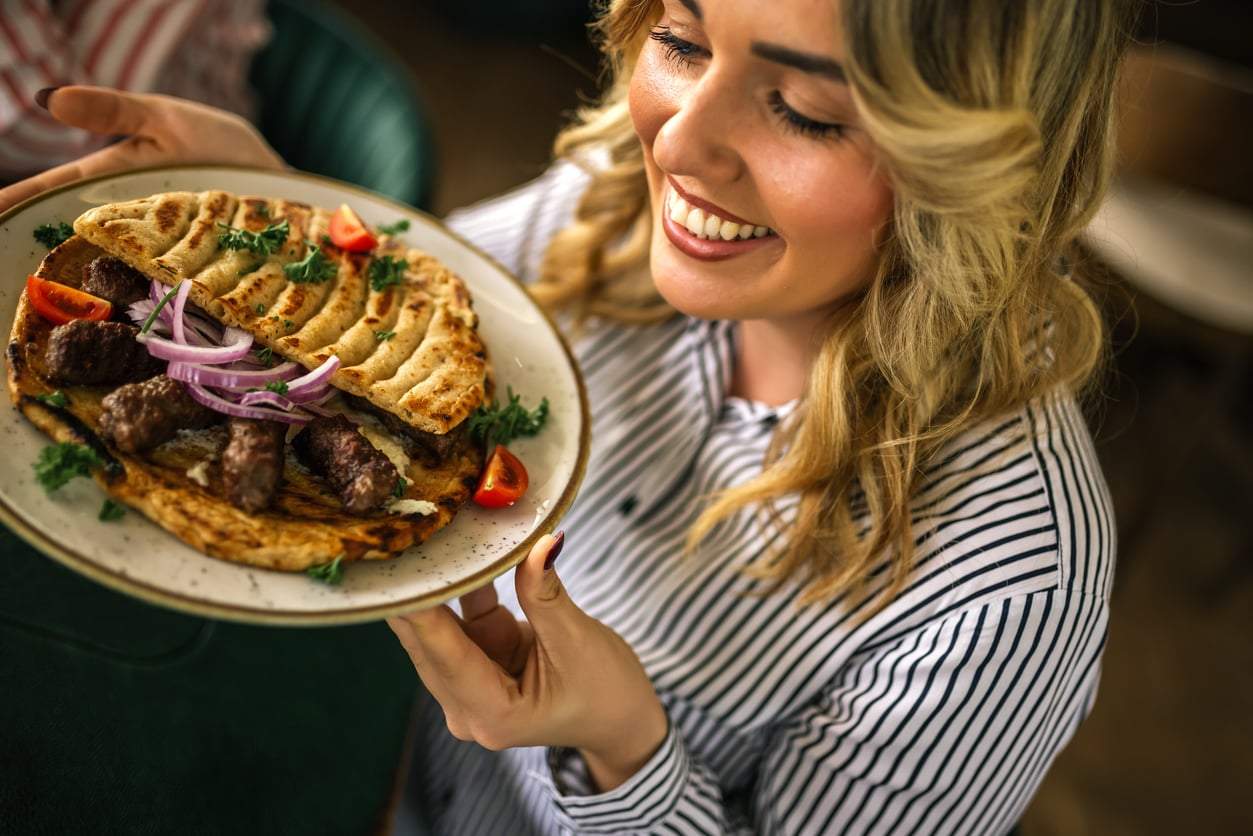
- Fish and poultry
- Olive oil
- Nuts
On the other hand, the diet recommends cutting back on saturated fats — things like butter, red meat, full-fat cheese, and fried foods.
What the new research actually found
The long-term study followed more than 1,600 participants and tracked changes in brain structure over time. The findings were striking: people who consistently followed the MIND diet showed slower loss of gray matter — the part of the brain responsible for memory, reasoning, and decision-making.
Lead researcher Professor Changzheng Yuan noted that those who stuck to the diet experienced significantly less gray matter shrinkage compared to those who didn't follow it closely.
Even more encouraging: you don't have to follow the diet perfectly to see results. The study found that each meaningful step toward the MIND diet was associated with up to a 20% reduction in gray matter loss — equivalent to roughly 2 to 2.5 years of healthier brain aging.
It's not just about memory
The research also looked at another important marker: the size of the brain's fluid-filled cavities, known as ventricles. These naturally expand with age as brain tissue shrinks — and faster expansion is linked to a higher risk of Alzheimer's disease and cognitive decline.
In people following the MIND diet, ventricular expansion was slower. This is a meaningful finding, because it suggests the diet may help preserve overall brain volume, not just protect specific regions.
Which foods offer the strongest protection?
Detailed analysis pointed to a few standout foods with particularly strong protective effects:
- Berries: Packed with antioxidants that help shield brain cells from oxidative stress.
- Poultry: A high-quality protein source that supports cognitive function without the saturated fat load of red meat.
Dr. Hui Chen, the study's lead author and a professor of behavioral science, was careful to note that no single food is a magic bullet. These foods work best as part of a balanced, consistent dietary pattern — not as isolated superfoods.
Conversely, regularly eating sweets and fried foods was associated with accelerated aging in the brain regions tied to memory.
As Dr. Chen emphasized: it's the overall quality of the diet that matters most. Foods interact with each other, and the right combination is what delivers the real benefits.
What other experts say
Dr. Walter Willett, a nutrition researcher at Harvard University, said the findings reinforce a well-established idea: that a Mediterranean-style diet benefits not just the heart, but the brain as well.
However, lifestyle medicine physician Dr. David Katz pointed out an important caveat — the study was observational in nature. That means it can't prove direct cause and effect, though the weight of current evidence strongly supports the link between balanced eating and better brain health.
How to get started — without overhauling everything at once
The good news is that you don't need to follow the MIND diet perfectly from day one. Small, consistent changes add up:
- Swap your usual snacks for a handful of berries or nuts
- Choose fish or chicken several times a week instead of red meat
- Cook with olive oil instead of butter
- Add more leafy greens — spinach, kale, rocket — to your meals
The MIND diet isn't a restrictive, joyless regimen. It's a varied, genuinely enjoyable way of eating that happens to be one of the most powerful things you can do for your long-term mental sharpness. If a few simple food swaps can keep your brain years younger, that's a trade worth making.