Fruit is one of the most powerful foods you can eat — and yet most adults consistently fall short of the recommended daily amount. That's not just a minor gap in the diet. Experts warn it means missing out on essential vitamins, minerals, fiber, antioxidants, and plant compounds that actively protect your heart, support digestion, and help reduce chronic inflammation.
Dietitian Samantha Cassetty, speaking to Today, also addressed one of the most common reasons people avoid fruit: fear of sugar. Her message was clear — the natural sugars in whole fruit behave completely differently in the body compared to added sugars, because they come packaged with fiber and water. There's no reason to be afraid of them.
Why eating fruit every day actually matters
Regular fruit consumption supports your health in more ways than most people realize. According to nutrition experts, fruit can:
- Strengthen the immune system
- Support digestion and a healthy gut microbiome
- Contribute to cardiovascular health
- Lower the risk of chronic disease
- Help reduce inflammation throughout the body
Experts are also quick to point out: there is no such thing as a "bad" fruit. Every fruit offers a different nutritional profile, which is exactly why variety matters so much.
The rainbow rule: your simplest guide to better nutrition
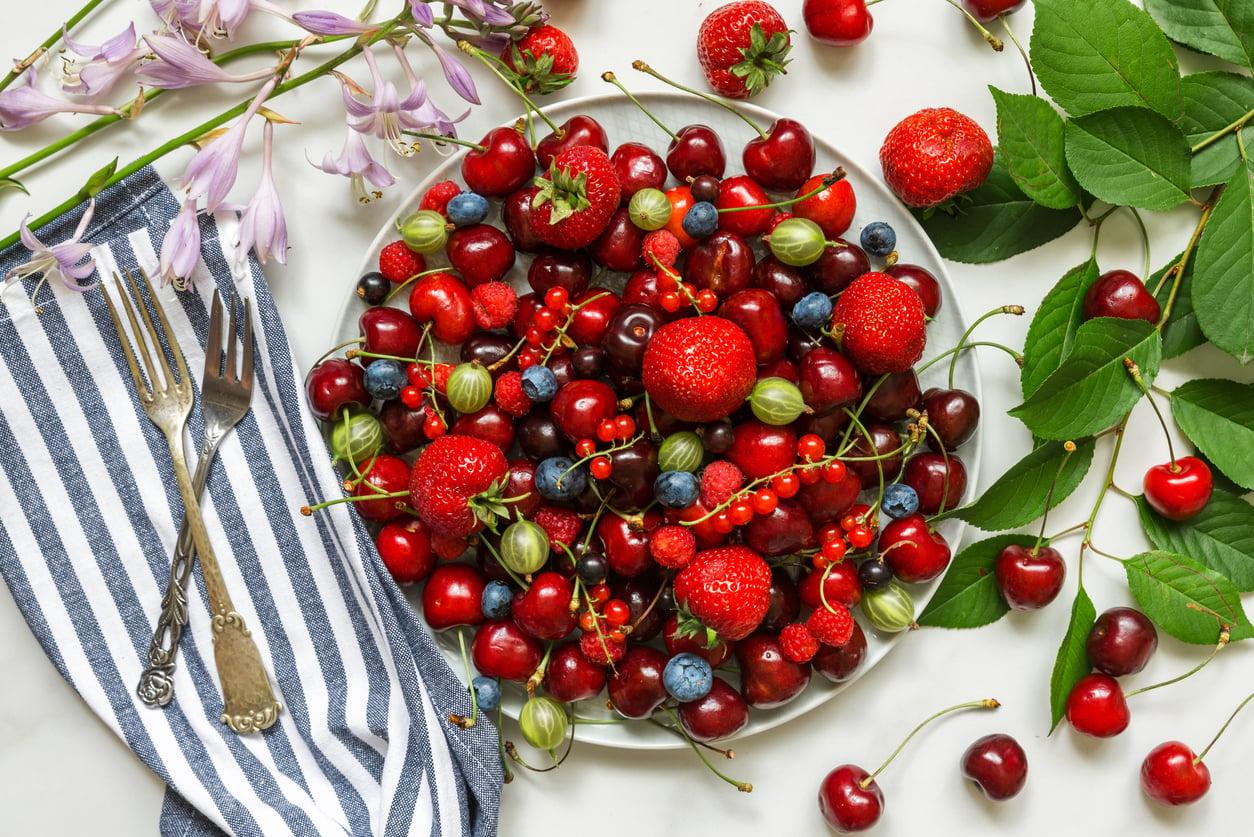
Cassetty recommends what nutritionists often call the "eat the rainbow" approach — rotating through fruits of different colors and types to ensure your body gets a wide range of antioxidants and micronutrients. The more colorful your plate, the broader your nutritional coverage.
The healthiest fruits worth eating more often
Blueberries — the antioxidant champion
Blueberries get their deep blue-purple color from anthocyanins, which are among the most potent antioxidant compounds found in food. Research suggests they support heart health, blood sugar balance, and cognitive function. They're small, but their nutritional impact is anything but.
Strawberries — a vitamin C powerhouse
Just eight strawberries can cover your entire daily vitamin C requirement. They also have anti-inflammatory properties and help support both skin health and immune function — making them one of the most efficient fruits you can eat.
Raspberries — exceptionally high in fiber
Raspberries are one of the most fiber-dense fruits available, which helps with digestion, promotes a feeling of fullness, and feeds beneficial gut bacteria. Their antioxidants also protect cells from oxidative stress.
Avocado — the good-fat fruit
Yes, it's technically a fruit — and a remarkably nutritious one. Avocados are rich in monounsaturated fatty acids that support heart health and help maintain healthy cholesterol levels. They're also one of the few fruits that provide substantial healthy fat.
Watermelon — hydrating and restorative
With its extremely high water content, watermelon is one of the best natural hydration sources, especially in warmer months. Certain compounds in watermelon may also help reduce muscle soreness after exercise.
Peach — great for skin and immunity
Peaches are a solid source of beta-carotene and vitamin C, both of which support skin health and immune defense. They're also gentle on digestion and easy to incorporate into meals or snacks.
Dates — natural energy with a fiber bonus
Dates are naturally sweet, but their fiber content slows the release of sugar into the bloodstream — making them a far better energy boost than refined sugar or processed snacks.
Prunes — a digestive ally and bone supporter
Prunes are well known for their digestive benefits, but research also suggests they may support bone density — particularly in women after menopause. A small daily serving can make a meaningful difference.
Kiwi — a sleep-supporting vitamin C bomb
One large kiwi can meet your full daily vitamin C needs. Beyond immunity, kiwi has also been linked to improved digestion and better sleep quality — an impressive range of benefits for such a small fruit.
Cherries — nature's sleep aid
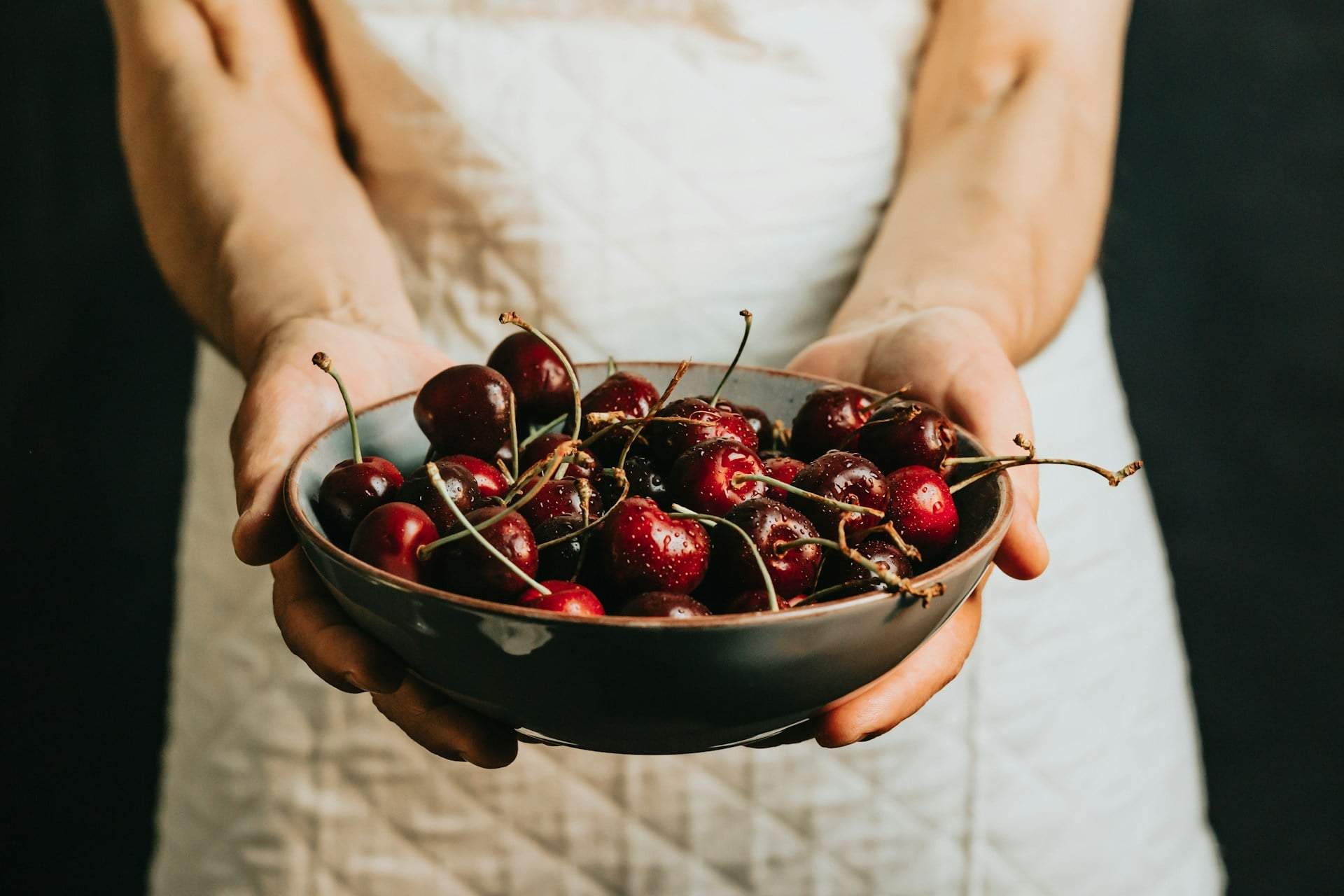
Cherries are one of the few natural food sources of melatonin, which helps regulate sleep cycles and promotes more restful nights. They're also anti-inflammatory, making them a great post-workout option too.
Banana — convenient and genuinely nutritious
Bananas are rich in potassium, magnesium, and vitamin B6, supporting nervous system function, muscle recovery, and sustained energy levels. They're also one of the most portable and accessible fruits around.
Apple — the classic everyday protector
Apples deliver a reliable combination of fiber and antioxidants that contribute to cardiovascular health and help stabilize blood sugar levels. Their soluble fiber also feeds beneficial gut bacteria.
Grapefruit — rich in vitamin C, with one caveat
Grapefruit has strong antioxidant properties and is an excellent source of vitamin C. However, it's worth noting that grapefruit can interact with certain medications — if you take prescription drugs regularly, it's worth checking with your doctor before making it a daily habit.
Pomegranate — a cell-protecting superfruit
Pomegranate seeds are packed with powerful antioxidants that help protect cells against oxidative damage and support heart health. Studies have also linked regular pomegranate consumption to reduced inflammation markers.
Pear — fiber-rich and filling
Pears support healthy digestion, help balance blood sugar, and provide long-lasting satiety — making them an excellent choice when you need a snack that actually keeps hunger at bay.
Mango — tropical and vision-friendly
Mango contains lutein and zeaxanthin — compounds that support eye health — alongside a generous dose of antioxidants and vitamin C. It's one of the more nutritionally complex tropical fruits available.
Fresh, frozen, or dried — what's the best choice?
According to Cassetty, all forms of fruit count — fresh, frozen, and dried can all be part of a healthy diet, as long as they contain no added sugar. Frozen fruit in particular retains most of its nutrients and is often more affordable and convenient than fresh.
100% fruit juice can also fit into a balanced diet, but since it contains significantly less fiber than whole fruit, it's best consumed in moderation. And for those managing conditions like kidney disease or diabetes, certain fruits may need to be adjusted or limited — personalized guidance from a healthcare provider is always the right move.
Can fruit help with weight management?
Absolutely. Thanks to their high fiber and water content, fruits are naturally filling without being calorie-dense. They make an ideal replacement for ultra-processed snacks and can genuinely support weight control when eaten as part of a balanced diet.
The healthiest habit? Eat more variety
No single fruit does everything. The real power comes from eating a wide range of fruits across the week — different colors, different textures, different seasons. Each one brings something the others don't.
Beyond physical health, consistent fruit intake has been linked to better energy levels, improved mood, and a higher overall quality of life. It's one of the simplest, most evidence-backed upgrades you can make to your daily routine.